Malaysia’s strategy to future-proof public service in the digital age
By Sol Gonzalez
The closing panel at GovInsider Live: MY.AI Day 2025 focused on the critical roles of cybersecurity, talent, and industry in the evolution of the public service.
-1764224889227.jpg)
The closing plenary panel at GovInsider Live MY.AI Day featured (from left to right): Idris Jonathan Cheetham, Head of Conferences at GovInsider as a moderator; Ybhg. Datuk Ts Dr Mohd Nor Azman bin Hassan, Deputy Secretary General (Management and Development), Ministry of Higher Education; Natazha Hariss, Chief Executive Officer, Invest Johor; Dato' Dr Amirudin Abdul Wahab, Chief Executive Officer, Cyber Security Malaysia; Anuar Fariz Fadzil, Chief Executive Officer, Malaysia Digital Economy Corporation. Image: GovInsider.
The way public services are delivered has been fundamentally transformed by technological advancements.
While digitalisation has been the central force driving this change, the successful evolution of the public service also depends on crucial factors like developing talent and ensuring secure, reliable systems.
This was the key point raised by speakers across diverse sectors from academia, investment, cybersecurity and digital economy in the panel Shaping Tomorrow: Navigating the Evolving Landscape of Public Service.
Held at Putrajaya on November 17, the closing plenary panel took place at the fourth GovInsider Live Malaysia event, titled MY.AI Day, themed around artificial intelligence (AI).
To subscribe to the GovInsider bulletin, click here.
Citizen experience as the imperative
Malaysia’s Digital Economy Corporation (MDEC)'s Chief Executive Officer, Anuar Fariz Fadzil noted that service and experience were the two areas most significantly transformed by technology.
“We’ve all been spoiled by every single app that we have. When you click on it, you can buy or get [things] immediately. Those expectations would bleed into what we expect from the government as well,” he noted.
This shift in consumer expectation was why the element of experience has become increasingly vital in public service delivery.
“We’re looking at how does this experience affect me, we’re looking at responsiveness, and possibly less bureaucracy,” said Fadzil.
As the agency responsible for aligning talent, industry, and infrastructure standards to expand the digital economy, MDEC focused on using enabling technologies like AI to enhance service responsiveness.
“[The stage of] AI right now is an opportunity for us to leapfrog, not just play catch up.
“And from there, we need to be able to understand how technology works, how technology serves humanity and citizens,” he said, highlighting AI as the tool to bridge citizen expectation and public service delivery.
The C-s of innovation
The panel highlighted seven keywords crucial for advancing innovation in public service, namely collaboration, co-creation, co-location, competition, culture, capabilities, and connection.
Malaysia’s Ministry of Higher Education (MOHE), Deputy Secretary General of Management and Development, Ybhg. Datuk Ts Mohd Nor Azman bin Hassan, noted collaboration was an important starting point in “the everchanging world of AI”.
“You need to collaborate with partners, get to a common interest, and ultimately get a win-win benefit. This involves the second C, about creating new opportunities,” said Azman.
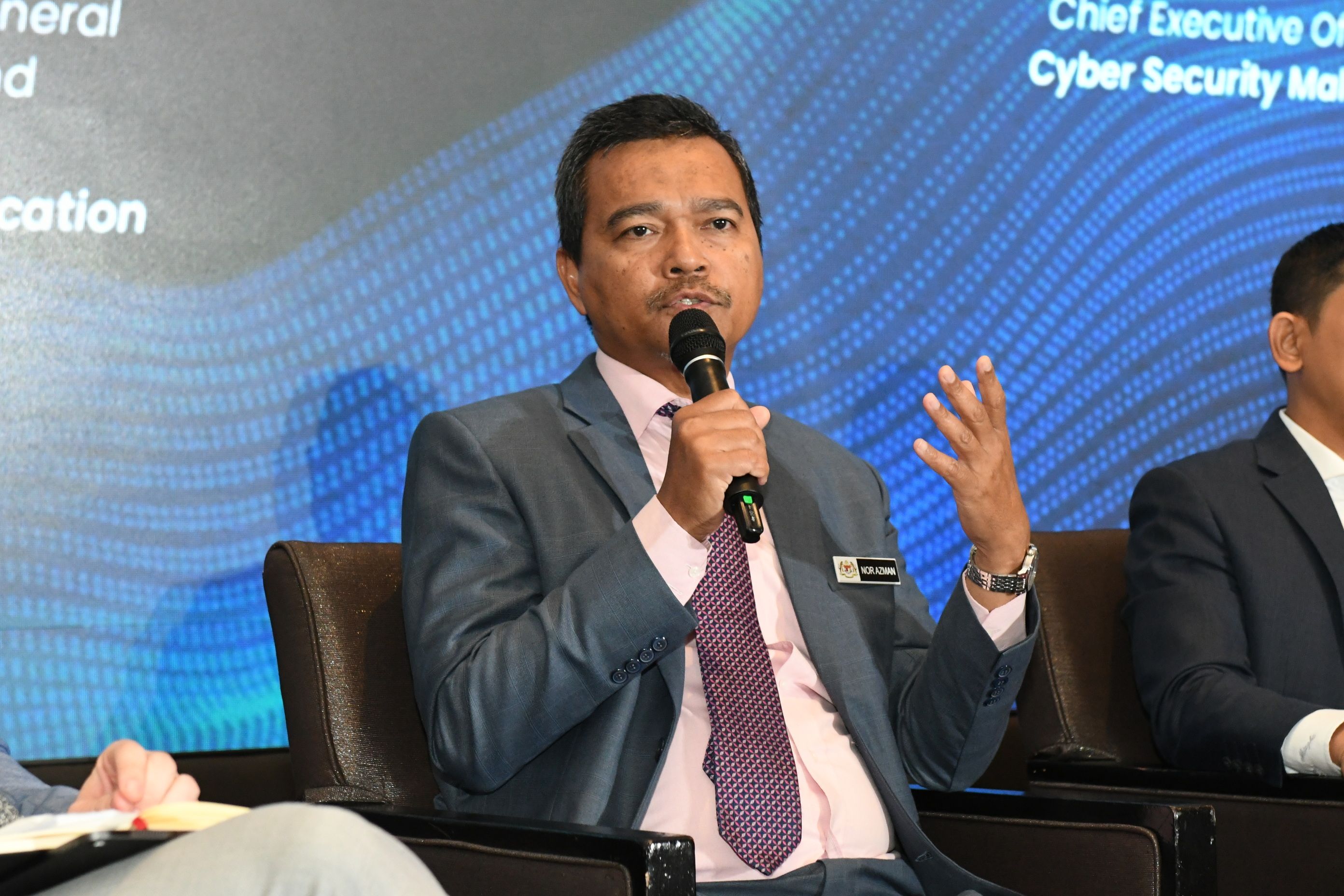
He explained that co-creating across agencies and industries was key to accessing new and niche opportunities.
Highlighting quantum computing as an example, he said that both industry and academia could work together to identify opportunities for talent development.
“The third C is co-location because you have to be somewhere you call a ‘hub’, where you have people to come to [for innovation],” said Azman.
When different players cooperate, learn, and grow to move forward, competition signals a positive direction toward continuous growth and advancement, he added.
CyberSecurity Malaysia’s Chief Executive Officer, Dato’ Amirudin Abdul Wahab, underlined the need for people-centric innovations.
This entailed developing a security-first mindset to enhance resilience and advance innovation securely, said Wahab.
He also emphasised the need to build capabilities to adapt to emerging technologies, while fostering connections to move from working in silos to working together.
To subscribe to the GovInsider bulletin, click here.
Talent evolution
Teams within the evolving public service must continuously learn and adapt to remain relevant, stressed MOHE’s Azman.
He highlighted that local talent production is critical, warning that failure to develop domestic talent tailored to the country's needs would leave them behind amid global changes.
“We are now overseeing the requirements of the industry, whether we are meeting the demand of the talent that they need in regard to the processes of manufacturing or research, or even developing our own technologies,” he explained.
Recognising Malaysia’s notable advancements in post-quantum cryptography, he added that the country is establishing a quantum cryptography centre to equip the industry with the necessary capabilities.
Azman explained that for agencies to transition into these new areas, they must discover niche areas to build momentum and develop local domain experts.
He views these niche technological fields as key avenues for talent development, driven by the economic returns sought by industries.
It is the people
“When it comes to cybersecurity, I always believe it is about people, not technology,” said CyberSecurity Malaysia’s Wahab.
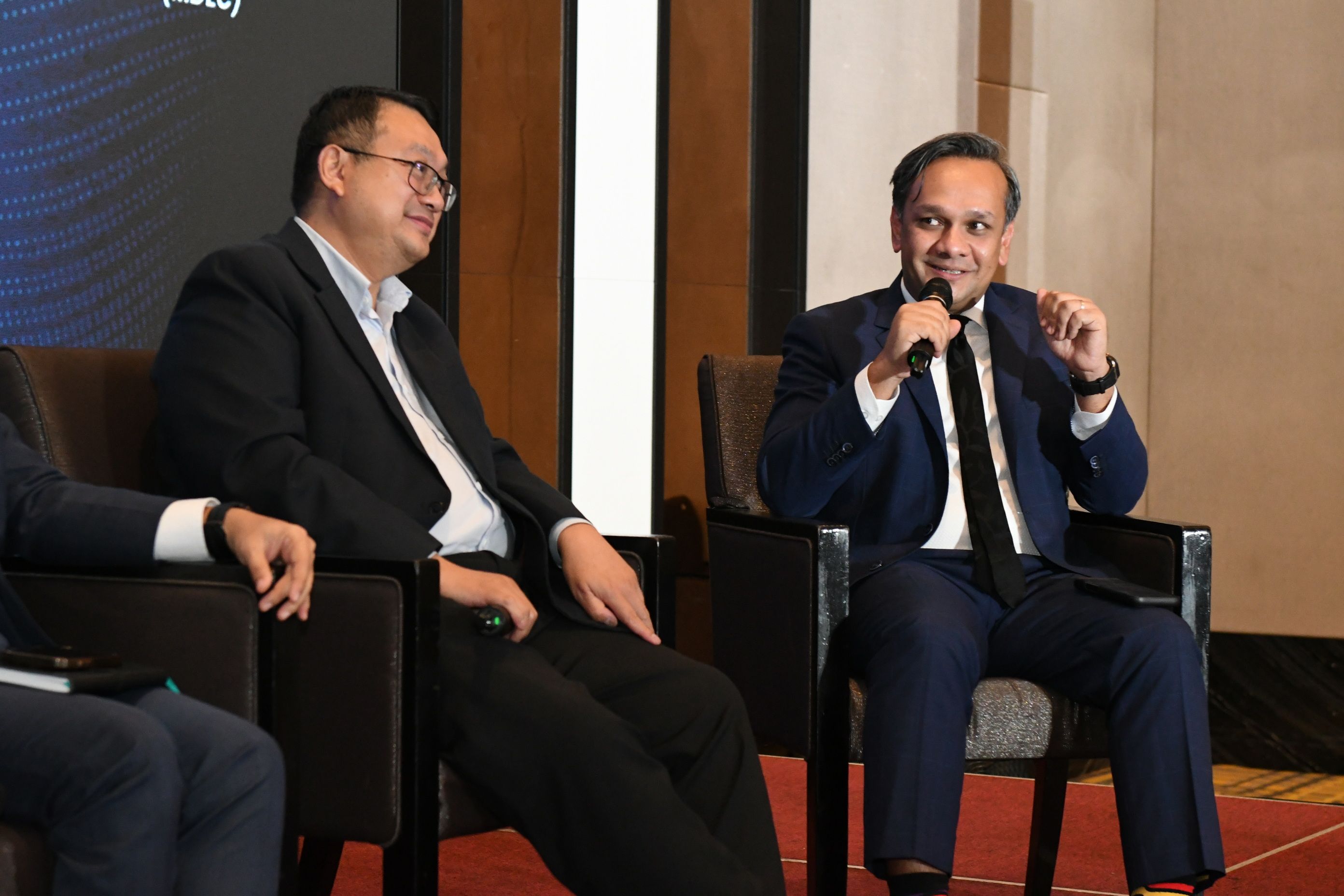
According to him, both the weakest and the strongest cybersecurity link was people.
“Say an organisation has all the technology, tools, firewalls in place. It’s sufficient with one person who is not aware about the importance of clicking a certain link, and that’s enough to compromise the entire organisation,” he said.
“We need competent people in the various domains in the field of cybersecurity because if an incident happens, and the people doesn’t know what to do, that’s problematic.”
Wahab explained that increased awareness about cybersecurity was critical, as it would enable easier integration of technology and empower teams to treat security as an organisation-wide effort.
“In CyberSecurity Malaysia we have evolved by being more proactive, building risk and compliance governance, security assurance and developing capabilities on the pre-emptive side of threat intelligence and data analytics,” he shared.
“The mindset shift should move from cybersecurity as an afterthought, to [cybersecurity] by design or by default,” he added.
A collective effort
The conversation concluded with the reminder that navigating the landscape for tomorrow was a collaborative team effort.
“Digital transformation has been fast… it is about how we work together with the various agencies, with the various ministries, how we deliver AI potential today. It is about how we are working on a whole-of-government,” said MDEC’s Fadzil.
Invest Johor’s Chief Executive Officer, Natazha Hariss, views sharing key performance indicators (KPIs) between agencies, teams, and the public and private sectors as a strategic way to strengthen collaboration.
“When everyone measures success differently, collaboration becomes optional. But when we have shared KPIs, the partnerships become automatic,” he concluded.