Nigeria’s Niger state pivots to agency model to shield govtech from politics
The state’s Information Technology and Digital Economy Agency (NSITDEA)’s Director-General Suleiman Isah shares how he’s getting the house in order, the agency’s immediate priorities, and govtech as a panacea for corruption.
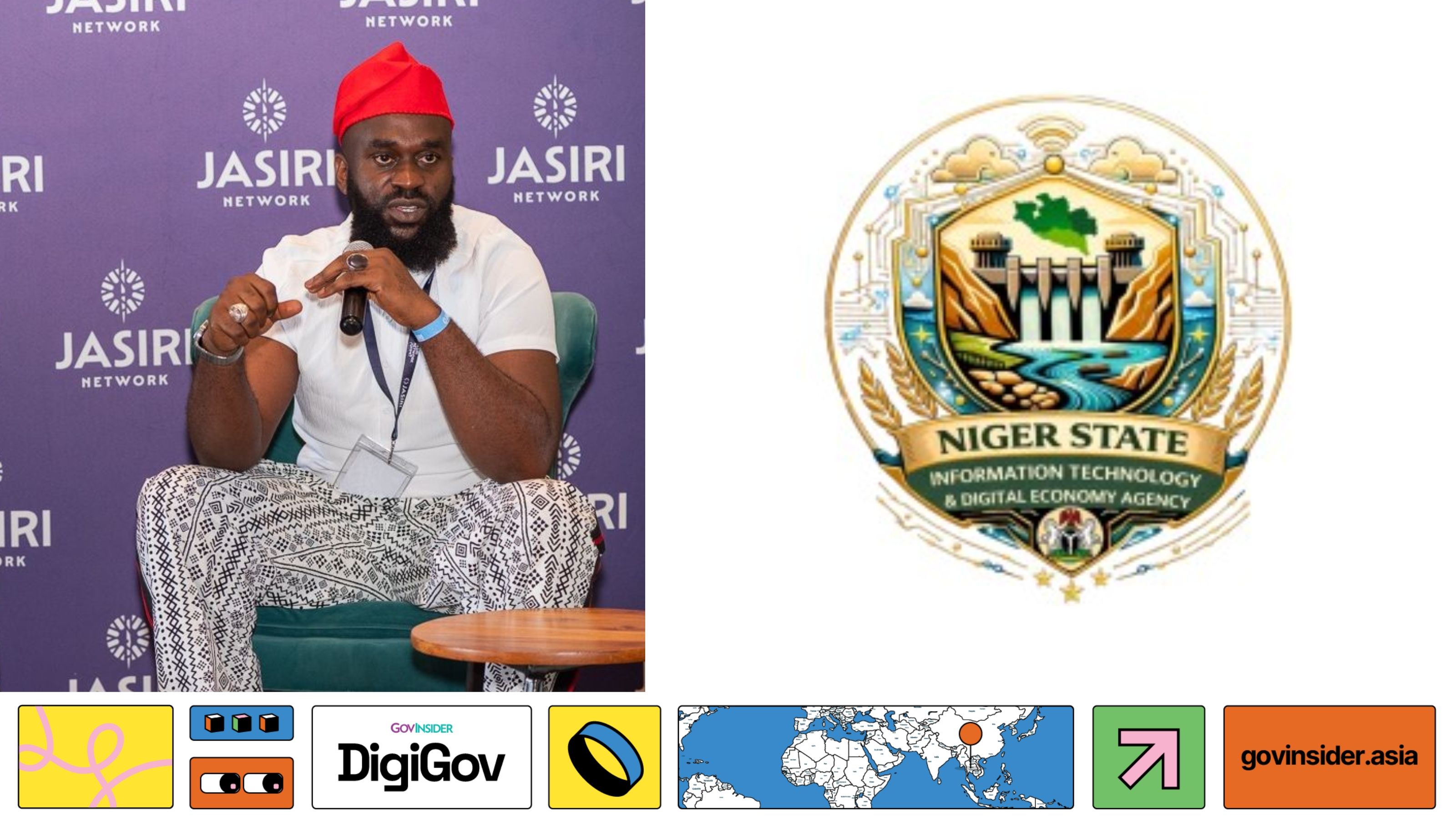
Suleiman Isah is the Director-General of the newly minted Niger State Information Technology and Digital Economy Agency (NSITDEA), formerly the Ministry of Communications Technology and Digital Economy. Images: Isah's LinkedIn and NSITDEA's website
This story is part of GovInsider's Digital Government initiative, which aims to feature stories from digital government agencies around the world. Click here to view our interactive map.
The pace of policymaking is losing the race against the sprint of technological evolution.
To keep up, the very framework of government must evolve, says Suleiman Isah, Director-General of the Niger State Information Technology and Digital Economy Agency (NSITDEA).
Niger state, not to be confused with the country, the Republic of Niger, is a province located in Nigeria’s north-central region and is also the largest one.
“We haven’t even finished working on the policies on artificial intelligence (AI) ethics and governance – not to even talk about implementing guardrails – and [the tech] has already gone past what we were talking about then,” he says to GovInsider, referencing the rapid mainstreaming of AI since early 2023.
Recognising that a traditional ministry may be structurally ill-equipped for this pace, Niger state has decided to pivot.
As of March this year, it shifted its govtech initiatives from the Ministry of Communications Technology and Digital Economy to the purview of NSITDEA.
Isah has more than a decade of experience working across federal and state government’s tech functions, ranging from system administration, governance and cybersecurity, digital transformation and political appointee.
Isah shares how his team is rewiring the machinery of government so tech isn’t at the mercy of politics.
Rethinking how government does tech
The Niger state spent years refining its govtech strategy, evolving from a small department within another ministry in 2006, to having its dedicated ministry in 2023 and is now pivoting to an agile, agency-led model.
“In the last two years, we did more pilots and prototypes to test the waters and see what we would obtain. So now, we’ve learnt from some of our mistakes,” says Isah.
After these early wins, his team realised that the ministry model is structurally wrong for tech.
The result has been to push for a law passed in 2025 to move govtech into an agency-led model.
He highlights some of the drivers leading his team to adopt an agency model.
Firstly, ministries are not designed for implementation, but policy and oversight, he notes. Isah highlights that this led to slow approvals coming in the way of executing govtech initiatives.
Secondly, the legal fragility makes it challenging to sustain tech initiatives.
“If there is a change in government after elections and the next person decides to scrap the ministry, then everything would fall back,” he explains.
The new law ensures that even if the leadership changes, the digital work continues.
If federal governors want to dissolve or change its structures, they must go through the formal legislative process to overturn the law.
Finally, the agency model removes inter-ministerial friction, allowing tech to act as a bridge for change rather than a source of conflict.
“We were okay to maintain only the agency to focus on implementation, and the parent ministry to own the initiative and the policy since information and communication technology (ICT) is only an enabler,” he says.
Getting the house in order
“Our goal for the first year is to fix the internal processes, form partnerships and set the right direction,” says Isah.
Having to inherit legacy processes from the old ministry, the agency will focus on retraining public servants to adapt their ways of working, as well as tweaking reporting structures around a new tech-focused mission.
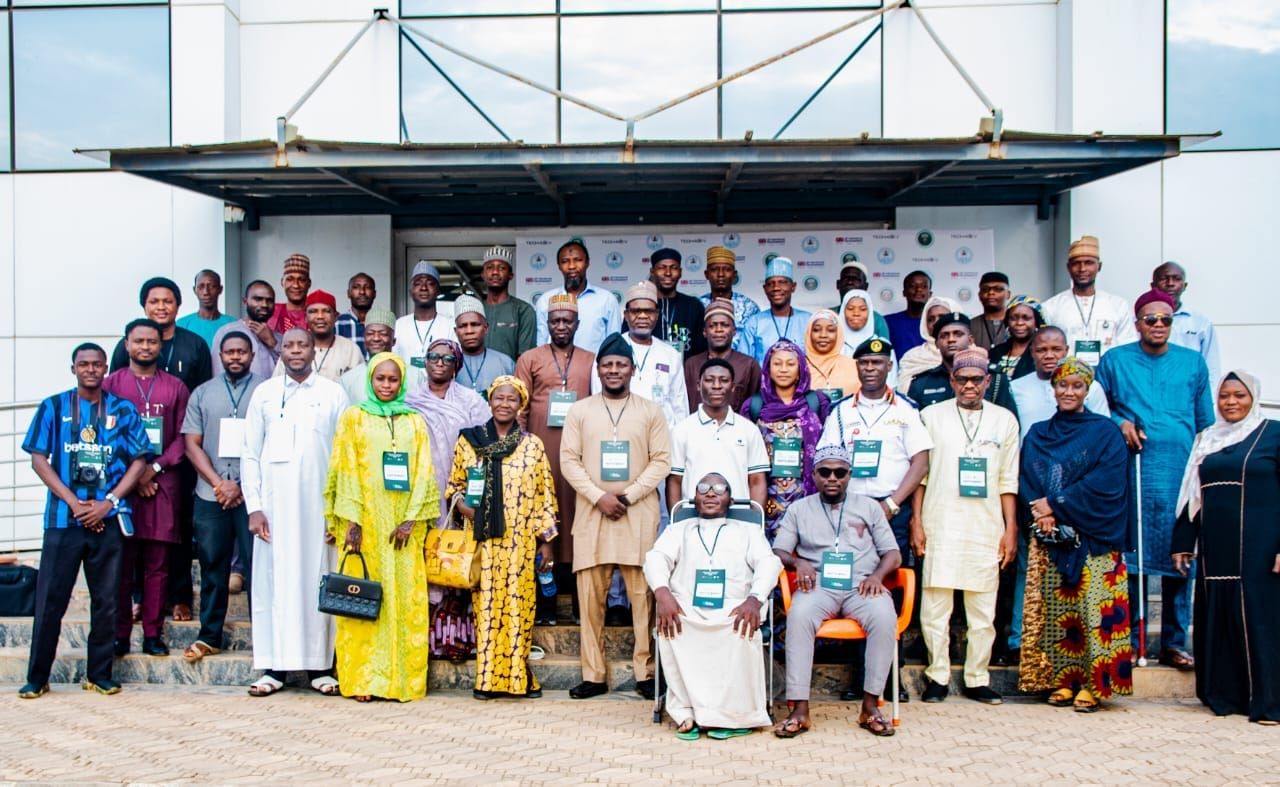
Another immediate priority is to build partnerships with private sector and non-profit organisations.
Isah sees the role of govtech in “creating an enabling environment for the private sector to thrive, monitor and enforce standards, and ensure security of both data and digital infrastructure.”
By building rules, connectivity and shared rails like digital public infrastructure (DPI), governments enable private sector to build more products on top to serve citizens, he notes.
Partnerships also allow the agency to tap into tech talent that it wouldn’t otherwise have due to a reduced state budget.
He explains that in Nigeria, hard infrastructure like roads and hospitals usually gets the most budget.
Since the budget might be tight for tech, the agency is adopting a contractual and outsourcing model.
Through the Nigeria Jubilee Fellows Programme (NJFP), the United Nations Development Programme (UNDP) has funded and integrated about 200 skilled fellows into the agency (previously the ministry)’s operations a year.
While UNDP pays their salaries, the agency delivers a monthly assessment of results to UNDP, he explains.
When asked if turnover stalls progress, Isah sees developers as specialised resources deployed for specific missions.
He notes that project-based hiring is often more fiscally responsible than maintaining permanent headcounts that the budget cannot sustainably support.

Domesticating, not duplicating federal policies
Isah’s vision for Niger state involves a digital stack, including basic internet connectivity, DPI-enabled financial inclusion, a state-wide push for digital literacy, and then an AI roadmap to develop sovereign infrastructure underpinned by clear guardrails.
Since Nigeria operates with a federated structure, where states enjoy significant policy autonomy, Isah adopts on a strategy of “domestication.”
Instead of reinventing the wheel, his team is finding ways to adapt federal digital resources to meet the specific needs of Niger state.
“Some upcoming policies are the national DPI policy and the protection of critical national infrastructure assets policy.
“We are taking these national policies and domesticating them into state level agreements,” he explains.
When it comes to broadband penetration, Isah highlights how the federal government targets to lay 90,000 km of fibre optic cable across Nigeria through “Project Bridge”.
While other states charge fees to the federal government to lay fibre, Niger state has scrapped these fees.
By removing the financial barriers, citizens get high-speed internet faster than other states, he notes.
Additionally, it will adopt open standards and application programming interfaces (APIs) to link both state and national ID systems to ensure a single source of truth for citizen’s identity.
Isah’s team has also built a single payment platform across federal and national level systems for citizens to access and pay taxes and fees to the governments.
Role of govtech: A panacea for corruption?
Isah illustrates how digitalising services can help build trust between government and citizens.
By digitising the state’s payroll system, Isah’s team managed to save the state about NG$420 million (S$396,857) by identifying and cutting out the ghost workers and fraudulent leakages.
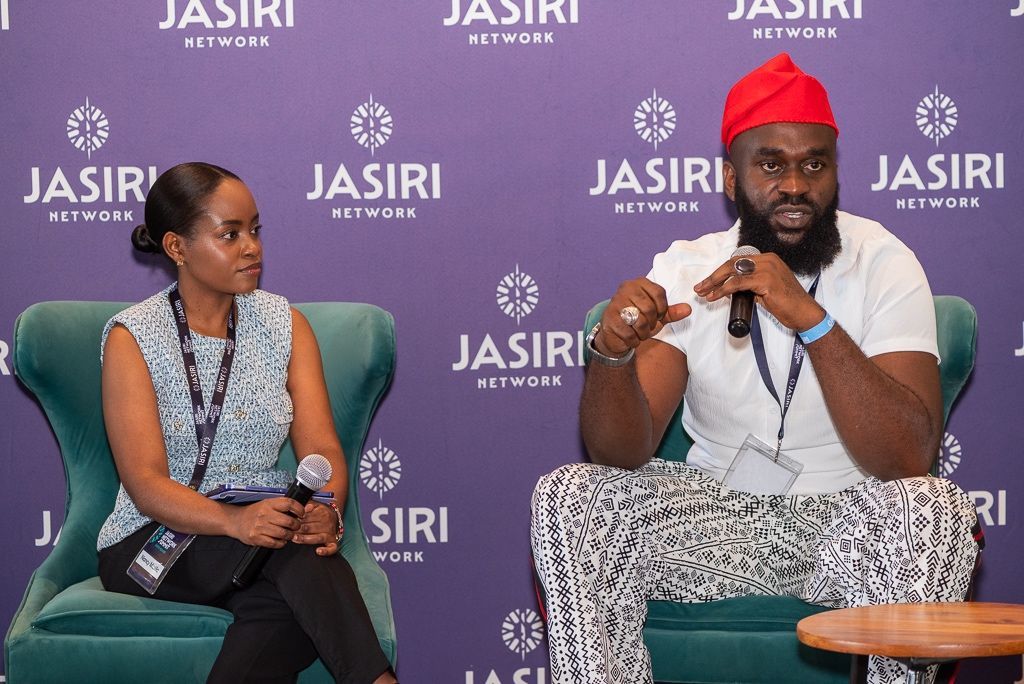
He recalls a system glitch in January which over-debited some employees, noting that an incident like that in the past might have sparked riots.
Because the digital system provided a transparent audit trail, employees see exactly where the error occurred and trusted the tech to fix what a manual process might have hidden, he explains.
Isah also draws a sharp contrast between citizen readiness and civil service resistance.
While citizens are ready to embrace tech for the transparency and efficiency it provides, many public servants view it with suspicion or hostility.
For Isah, the struggle is a necessary battle against entrenched interests, with tech as the enemy of corruption that plagues Nigeria.
As his team transitions to an agency model, he sees his role as not just a tech leader, but a public servant performing a difficult but necessary duty.
“While public sector innovation has been discouraging, we have to do it.
"If we don’t do it, the whole society would suffer. So, for me, it’s more like a service to the society,” he says.