
Why good tech struggles to scale and how Malaysia’s MRANTI bridges the innovation gap
By Valeryn Liaw
The Malaysian Research Accelerator for Technology and Innovation (MRANTI) focuses on tackling defined national healthcare challenges and bringing the right stakeholders together to deliver measurable outcomes, shares MRANTI’s CEO Ashran Dato' Ghazi.
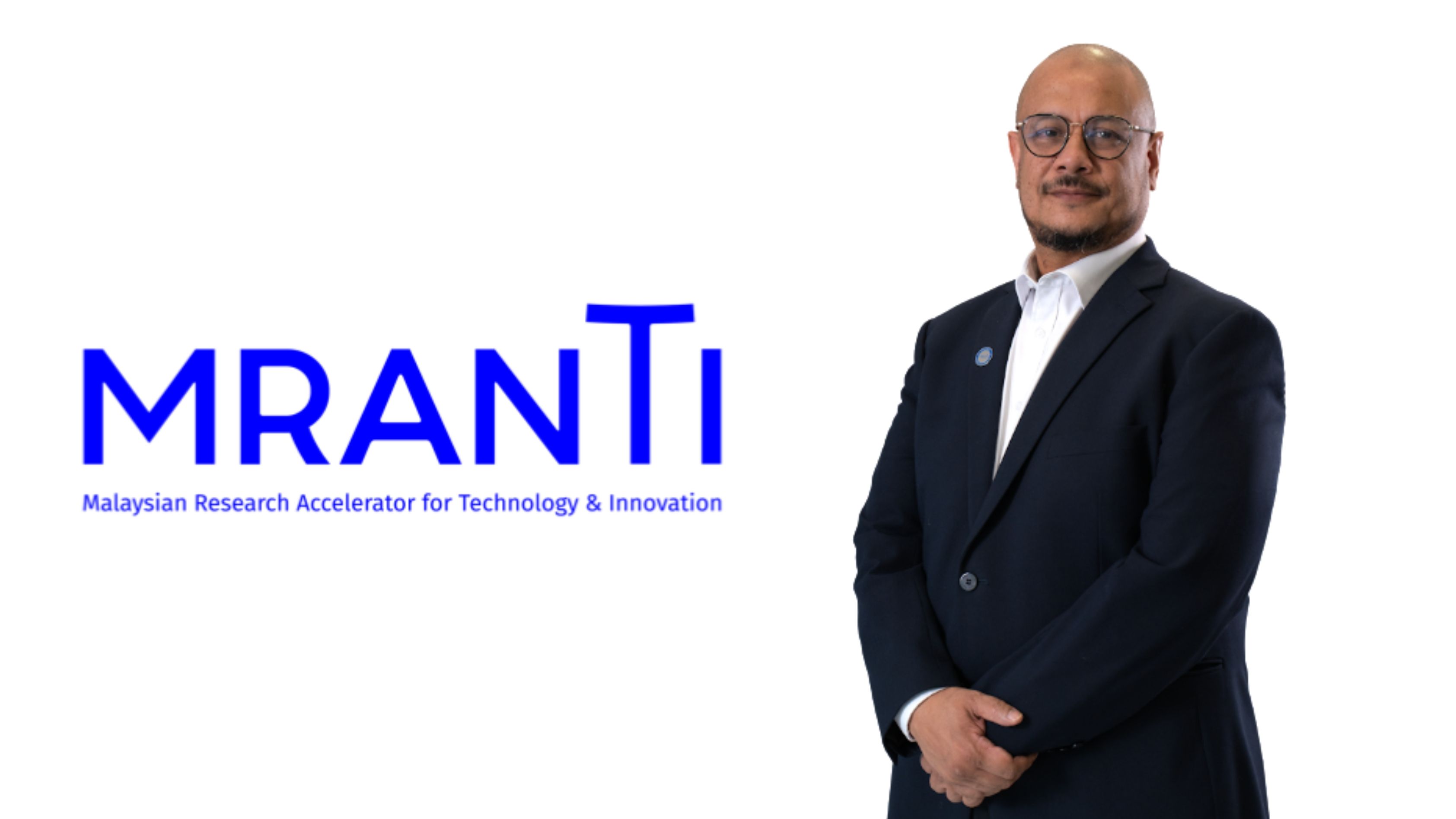
Ashran Dato' Ghazi, the CEO of Malaysian Research Accelerator for Technology and Innovation (MRANTI). Image: MRANTI
An innovator can have a working prototype and still struggle to materialise adoption.
Researchers need a test site. Companies need a route to the market. Adopters need confidence that the technology fits its workflow and regulatory requirements.
This is what Ashran Dato' Ghazi, the CEO of Malaysian Research Accelerator for Technology and Innovation (MRANTI) describes as the “Valley of Death”: the gap between a promising technology and its successful adoption.
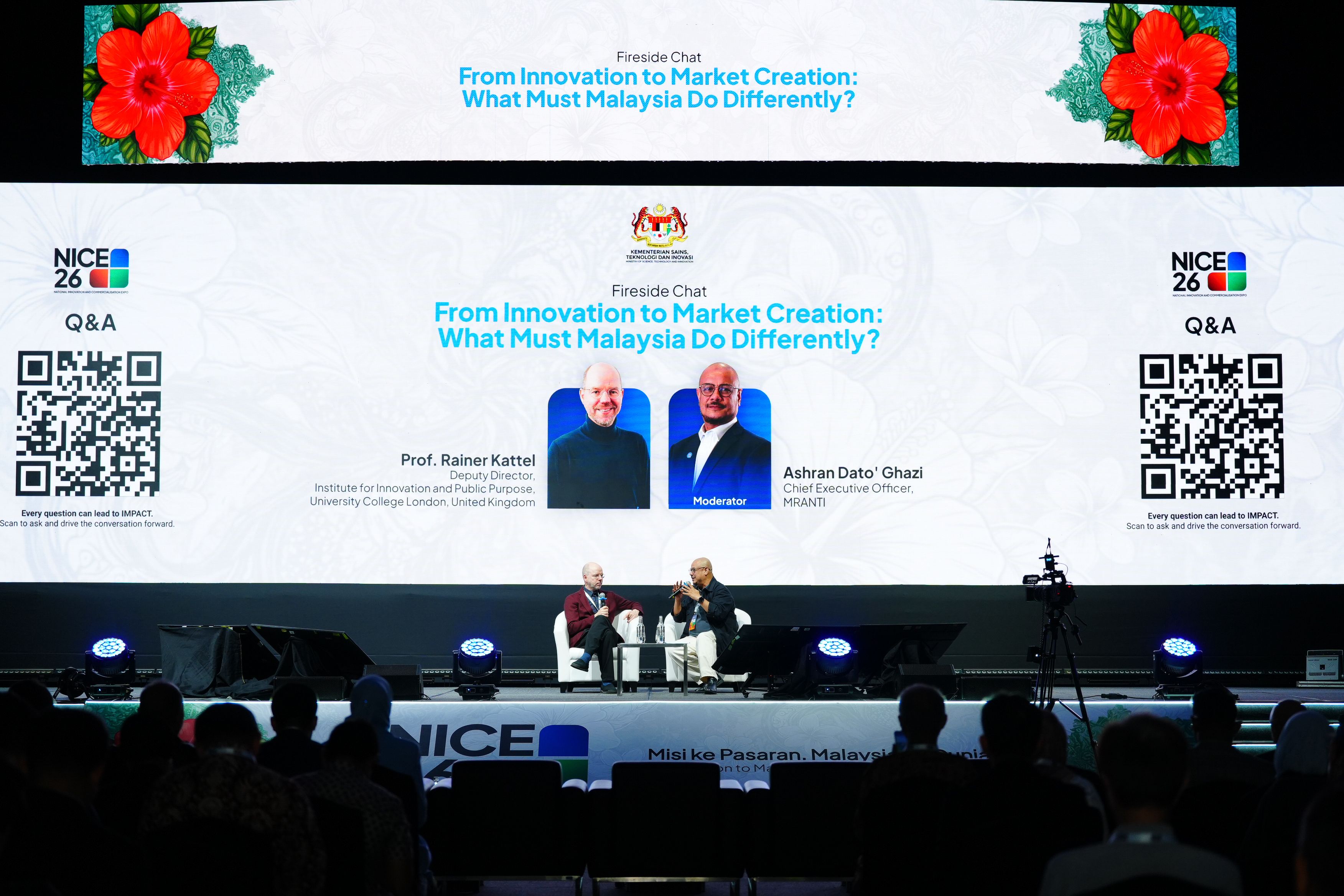
”Where technologies can stall for reasons that have little to do with their functionality,” he says.
As the technology commercialisation accelerator under Malaysia’s Ministry of Science, Technology and Innovation (MOSTI), MRANTI brings together the three diverse groups, innovators, industry and government, to move technologies from development towards adoption.
This requires understanding what each stakeholder needs as they collaborate.
“We cannot expect a researcher to be an entrepreneur. We need to prepare them to talk to the industry, understand what the industry needs,” Ashran tells GovInsider.
“There’s no shortage of ideas and intellectual property (IP). The shortage is translating that into commercial value,” he adds.
Instead of viewing sandbox initiatives simply as programmes, MRANTI treats them as services that create value.
“When you shift the mindset that sandbox is a service offering, it changes how you view things. Even if there’s no federal government budget, we’ve got to think how this can be financed,” Ashran says.
Healthcare as a test of this model
Launched in 2020, MRANTI’s National Technology and Innovation Sandbox (NTIS) provides testbeds, funding, regulatory facilitation, and connections to potential stakeholders.
Adopting a mission-led approach, MRANTI focuses on tackling defined national healthcare challenges and bringing the right stakeholders together to deliver measurable outcomes.
Through its HealthTech Hub, MRANTI then works with the Ministry of Health (MOH), healthcare professionals, technology companies, researchers, and investors to identify system needs and develop adoption pathways.
“The real impact would be whether we can help solutions move from pilot to sustainable adoption, and whether they deliver measurable improvements to the healthcare system, whether through better access, improved efficiency, reduced cost or better patient outcomes,” Ashran shares.
To date, MRANTI has worked with nine hospitals as sandbox sites, alongside the HealthTech Hub’s Co-Secretariat and MOH’s Malaysian Health Technology Assessment Section (MaHTAS) to gain insights into priority technology and service needs within healthcare.
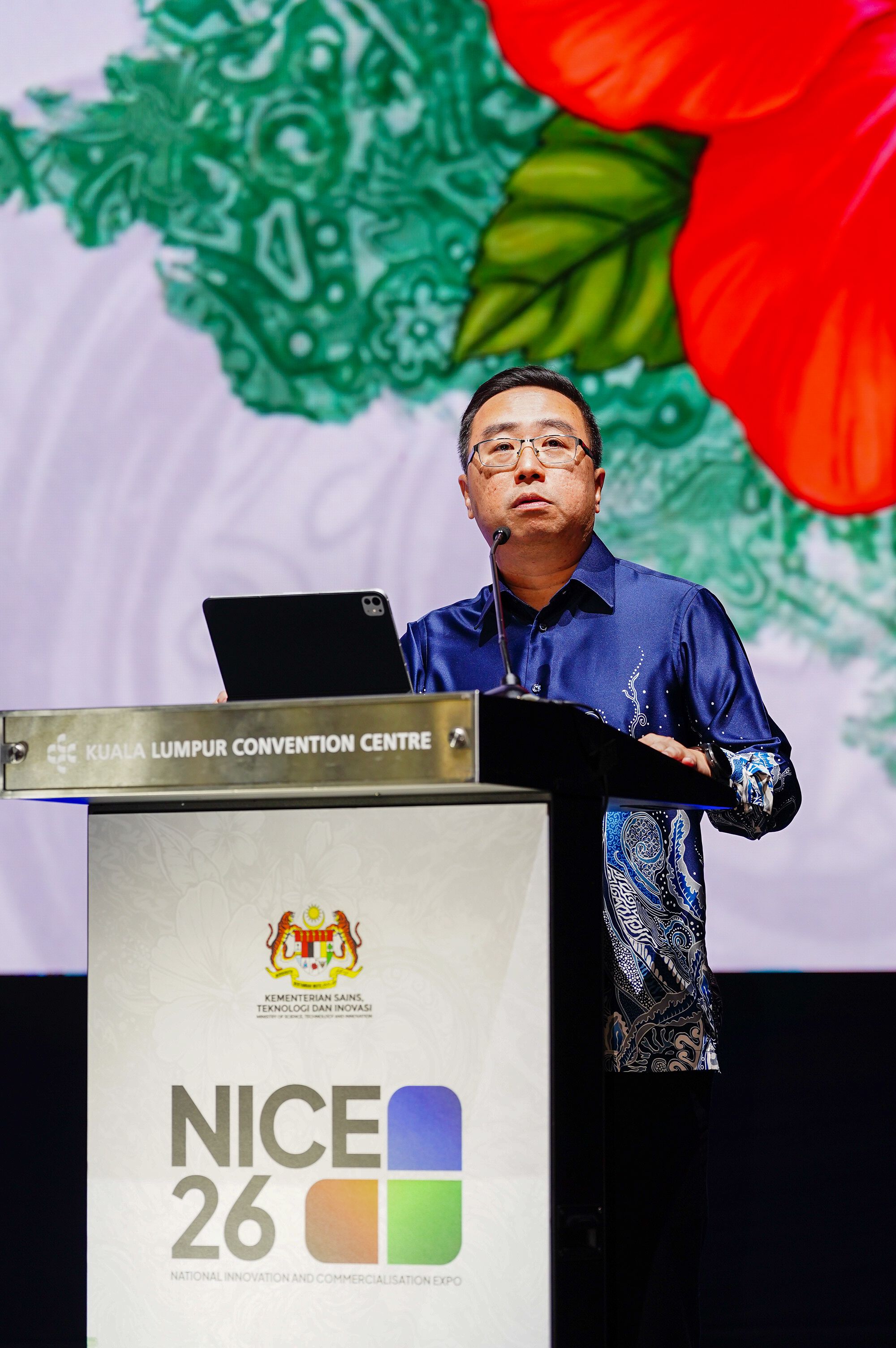
The team also works with MOH’s Medical Device Authority (MDA) to help innovators understand regulatory and commercialisation requirements, identify potential bottlenecks, and navigate the pathway from validation to adoption.
Through sandbox funding and MRANTI’s ecosystem support, a diagnostic technologies company has gained the right access and resources for clinical validation, regulatory facilitation, manufacturing scale-up, and a test site at Universiti Malaya’s Medical Faculty.
This allowed them to move towards commercialisation.
Apart from that, MRANTI addressed a public sector challenge in transporting the clinical samples from one clinical setting to another.
By conducting technology scouting, the team has identified the right provider and connected the company to the relevant parties.
This addresses the healthcare accessibility as the clinical samples can eventually be transported approximately 20km (equivalent to approximately 40km road journey) in 30 minutes.
For MRANTI’s focus on innovating for healthy ageing, MOH was tasked as the mission owner while MRANTI would work with the companies to address challenges such as community screening, remote monitoring, transition care and post-discharge home care.
Starting with the problem, not the technology
Technology validation is only useful when it leads to a solution that works in the setting where it is needed.
MRANTI therefore starts with the problem and desired outcome, rather than prescribing a particular technology for innovators or healthcare providers.
“We’re not trying to promote any particular tech. We are just obsessed with trying to solve the mission outcomes that we have jointly agreed,” Ashran says.
This shifts from asking which technology to deploy to what problem needs solving, and whether the proposed solution makes operational and economic sense.
“Sometimes you don’t even need AI to solve that particular problem.”