Aidana Tamshybay, Head of the Project, NITEC, Kazakhstan
Oleh James Yau
Meet the Women in GovTech 2025.
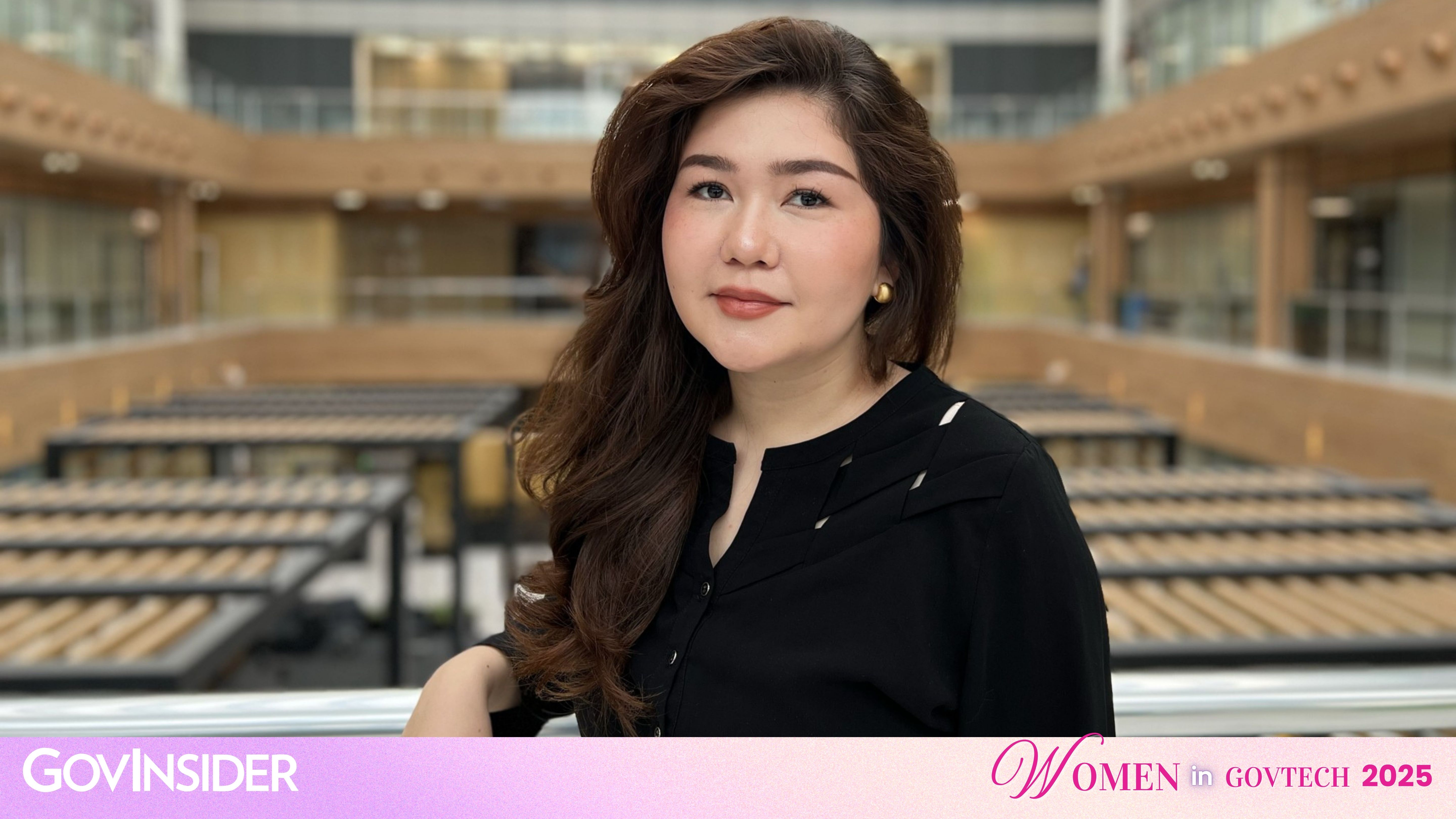
Aidana Tamshybay, Leading Manager, NITEC, shares about her journey. Image: Aidana Tamshybay
1) How do you use your role to ensure that technology and policy are truly inclusive?
In my role, I work across digital transformation projects and international collaboration, which gives me a broad view of how global ideas can be adapted to our local context.
This helps me bring attention to potential barriers early on and encourage solutions that are simple and practical. For me, inclusion starts with basic principles: clarity, proportional requirements, and ensuring that different groups are not unintentionally excluded.
In my day-to-day work, I try to keep these principles part of our discussions and planning, whether it is shaping project priorities or coordinating with partners.
This helps us make decisions that stay grounded in real needs and remain accessible to as many people as possible.
2) What’s a moment in your career when you saw firsthand how technology or a new policy changed a citizen’s life for the better?
When Kazakhstan introduced proactive services for new parents through the Digital Family Card, the impact became immediately visible.
Processes that previously required multiple visits and document submissions began happening automatically, triggered by verified data rather than additional requests.
This shift noticeably reduced administrative burden at a moment when people already have many responsibilities to manage. It demonstrated how well designed, proactive services can simplify interactions with the state and provide support without placing extra demands on citizens.
For me, it was a clear example of how digital tools can make government more responsive, humane, and genuinely helpful in people’s daily lives.
3) What was the most impactful project you worked on this year, and how did you measure its success in building trust and serving the needs of the public?
The most meaningful work for me this year was contributing to initiatives around digital public infrastructure (DPI) and open digital tools.
It involved sharing Kazakhstan’s experience, learning from partners, and taking part in discussions that help countries solve similar implementation challenges.
I did not measure the impact by a single indicator. It became clear through the growing interest from peers who reached out to discuss how our systems work, what decisions we made, and what lessons we learned.
When colleagues start these conversations themselves, it is a sign of trust - both in the work and in the openness behind it.
4) What was one unexpected lesson you learned this year about designing for real people? This can be about a specific project or a broader lesson about your work.
This year I learned how quickly complexity could build up in large projects. When we stepped back and removed a few unnecessary elements, everything became clearer.
It reminded me that simplicity often comes from rethinking old decisions, not from adding new ones.
5) We hear a lot about AI. What's a practical example of how AI can be used to make government services more inclusive and trustworthy?
A practical example from Kazakhstan is how AI assistants are starting to make complicated procedures feel much more manageable.
Instead of scrolling through pages of instructions, people can simply ask a question in plain language and get clear, step-by-step guidance based on information that already exists in government systems.
We have also seen these tools help interpret rules and handle the initial sorting of incoming requests, giving people quicker clarity and taking pressure off frontline teams. What builds trust is that the answers come from verified sources and the system operates with human oversight.
When AI can turn a confusing moment into a straightforward one, it becomes more than a convenience - it genuinely expands access to public services.
To subscribe to the GovInsider bulletin, click here.
6) How are you preparing for the next wave of change in the public sector? What new skill, approach, or technology are you most excited to explore in the coming year?
I have preparing for the next wave of change by strengthening the fundamentals that will define how public digital systems evolve - responsible AI, solid data governance, and modular, interoperable infrastructure.
I have spent more time understanding how these ideas work in real operational settings and bringing that perspective into the projects I support. What motivates me most is the move toward architectures that stay flexible as needs change.
I have especially interested in practical AI governance - building systems that are transparent, resilient, and able to grow without adding unnecessary complexity.
7) What advice do you have for public sector innovators who want to build a career focused on serving all citizens?
Stay close to real people and real problems. It is easy to get lost in strategies and systems, but the best ideas usually come from listening to those who use the services or deliver them on the ground.
Find peers you can learn from - in your own team or in other countries. Public-sector innovation is much easier when you realize you are not doing it alone.
The most importantly, be patient. Change in government takes time, but when it happens, it can make a long-lasting difference.
8) Who inspires you to build a more inclusive and trustworthy public sector?
I’m inspired by the people working in the DPI and digital public goods community. They focus on creating tools that are open, adaptable, and useful beyond one country or project.
What motivates me most is their openness - they share what they have learned, talk honestly about challenges, and improve their work based on real experience. This collaborative approach shows how much stronger public systems become when knowledge is shainred and progress is collective.
9) If you had an unlimited budget, what would your dream project be?
If I had unlimited resources, I would build a regional program focused on inclusive digital transformation.
Bringing countries together to share approaches, test ideas, and learn from each other would make it easier to create solutions that work for people with different needs.
10) Outside tech, what excites you the most?
Traveling. I am especially drawn to nature and local culture.
I like spending time outdoors, seeing how landscapes change from place to place, and getting a feel for the traditions, food, and everyday life of the people who live there.
These moments always give me a clearer sense of the world and stay with me long after the trip.