Celine Tan, Director, Centre of Programme Management – New Facilities, Synapxe, Singapore
Oleh Amit Roy Choudhury
Meet the Women in GovTech 2025.
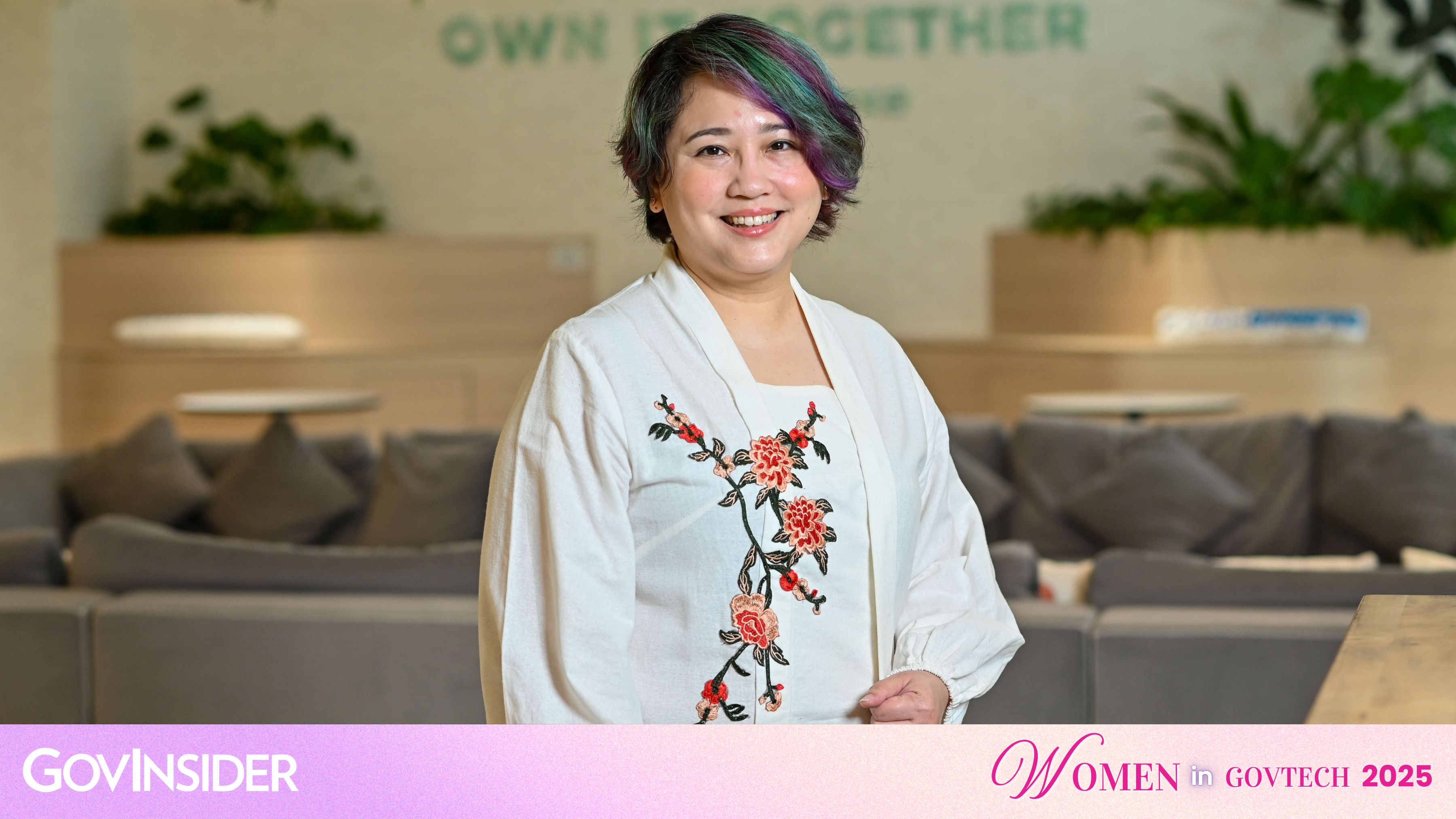
Celine Tan, Director, Centre of Programme Management – New Facilities, Synapxe, Singapore, shares her life's journey. Image: Synapxe.
1) How do you use your role to ensure that technology and policy are truly inclusive?
My team leads the programme management for Synapxe-managed systems and IT infrastructure for both new and redeveloped public healthcare institutions (PHIs) across the three Singapore healthcare clusters – National Health Group, National University Health System and Singapore Health Services.
With Singapore’s ageing population, we can expect demand for healthcare services to increase.
My team plays a critical role in meeting the PHIs’ demand for capacity expansion.
The programme management work my team oversees can be likened to the conductor of an orchestra, managing a diverse group of performers and bringing them together as one team to deliver the required technology solutions with the purpose of making healthcare more accessible and inclusive.
Technology and policy do not exist in silos.
They can only be truly inclusive when we listen to and incorporate input from a diverse group of stakeholders for the holistic planning, design, and implementation of technologies and policies.
2)What’s a moment in your career when you saw firsthand how technology or a new policy changed a citizen’s life for the better?
I have to say that our national initiative, Healthier SG, is a great example that clearly showcases how policy and technology came together to change our citizens' lives for the better.
Whilst the policy aims to empower individuals to manage their health, with benefits such as subsidised screenings and chronic disease management drugs, different technologies work behind the scenes to support resident enrolment in the programme, appointment scheduling, personalised healthcare plans and recommendations to encourage preventive care practices.
My IT programme management team is closely involved in the technology integration of new polyclinics scheduled to open in 2025 and beyond to ensure citizens receive seamless access to the benefits they are enrolled for under Healthier SG.
3) What was the most impactful project you worked on this year, and how did you measure its success in building trust and serving the needs of the public?
All IT programme management that my team supports, whether for new or redeveloped PHIs, plays a significant role in expanding our capacity to meet the growing healthcare demands of our population.
I measure success by how effectively, efficiently and safely the technologies implemented in these new PHIs enable our healthcare professionals to serve patients.
This, in turn, contributes to the continued trust our citizens have in Singapore’s public healthcare services.
4) What was one unexpected lesson you learned this year about designing for real people? This can be about a specific project or a broader lesson about your work.
This year, I had the opportunity to participate in a new PHI full-dress rehearsal, which was a simulation event conducted before the actual opening to ensure that staff and the facility are ready for operation.
During the post-mortem review, one of the concerns highlighted was the height of the X-ray machine being installed in the room and the potential risk of hitting the IV infusion drip stand.
In the worst-case scenario, this would damage the machine, impact operations and could even compromise patient safety.
Different solutions were discussed to minimise the risk.
Even though the concern highlighted was not IT-related, it impressed on me how even the simplest detail, such as height placement, can have an impact on operations and even patient safety. Thus, do not belittle small details which can have a big impact.
5) How are you preparing for the next wave of change in the public sector? What new skill, approach, or technology are you most excited to explore in the coming year?
It is always important to maintain a growth mindset to embrace the challenges that come with new changes and to learn and improve as the changes take place.
In the coming year, I am keen to learn more about AI technologies that would serve the needs of our new PHIs, as well as to leverage such technologies to enhance my work efficiency.
6) What advice do you have for public sector innovators who want to build a career focused on serving all citizens?
My advice is to cultivate a curious mindset and continuously seek to understand the evolving needs of people.
A growth mindset, which I highlighted above, is important as it allows individuals to embrace challenges and failures as valuable learning opportunities in the course of innovation.
It is also essential to actively connect and collaborate with others who can offer different perspectives and experiences to help refine the solutions holistically.
Lastly, public sector innovators will need to embrace value-centricity and demonstrate the value of their innovations.
This is because resources are scarce and limited in the public sector. It is therefore important that resources are allocated to and optimised on innovations that actualise the most value for citizens.
7) Who inspires you to build a more inclusive and trustworthy public sector?
My friends and family members inspire me to build a more inclusive and trustworthy public sector.
This is because many of them are ordinary Singaporeans who place great trust and reliance on the public services in Singapore to work for them.
Whenever I hear feedback from them, particularly on Synapxe’s HealthTech applications that they use, I would convey the positive feedback to encourage my colleagues and also provide any areas of improvement so that we can refine the applications and services for our citizens.
8) If you had an unlimited budget, what would your dream project be?
My dream project would be to develop a HealthTech solution that helps prevent or at least slow down the progression of dementia.
Whilst there are general tips on how to reduce the risk of dementia, there are no proven solutions to prevent dementia.
To subscribe to the GovInsider bulletin, click here.
On a personal basis, I have seen how challenging it is for the patient as well as for the family and caregiver when dementia sets in.
Thus, if I had an unlimited budget, the money would come in handy for more research in this space and for developing potential solutions to prevent or slow down the impact of dementia.
9) Outside tech, what excites you the most?
Many things that excite me outside of tech, as I enjoy learning new things and gaining new experiences.
Once something catches my interest, I would do a lot of research and learning through online sources and even physical classes.
I would also invest in the necessary tools where applicable and practice until I reach a certain level of mastery.
One example would be coffee brewing, where I started experimenting with a mokapot initially and eventually grew my collection to include different types of coffee grinders, various drip devices (for hot and cold drip), and even a manual espresso device just for the challenge.
Another example would be embroidery with beads and sequins, after I attended a class to learn the basics.
With experimentation and practice, my sewing skills reached a level where I can create intricate designs, and I get requests to make accessories for friends and even a stranger who saw my Instagram posts.