In the tech tug of war, universities serve as “trees” for nations to nurture sovereignty
Oleh Si Ying Thian
India-based open source DPI pioneer, Professor Debabrata Das, shares lessons learnt from developing some of the world’s most impactful open-source products that support other nations' digital government journeys.
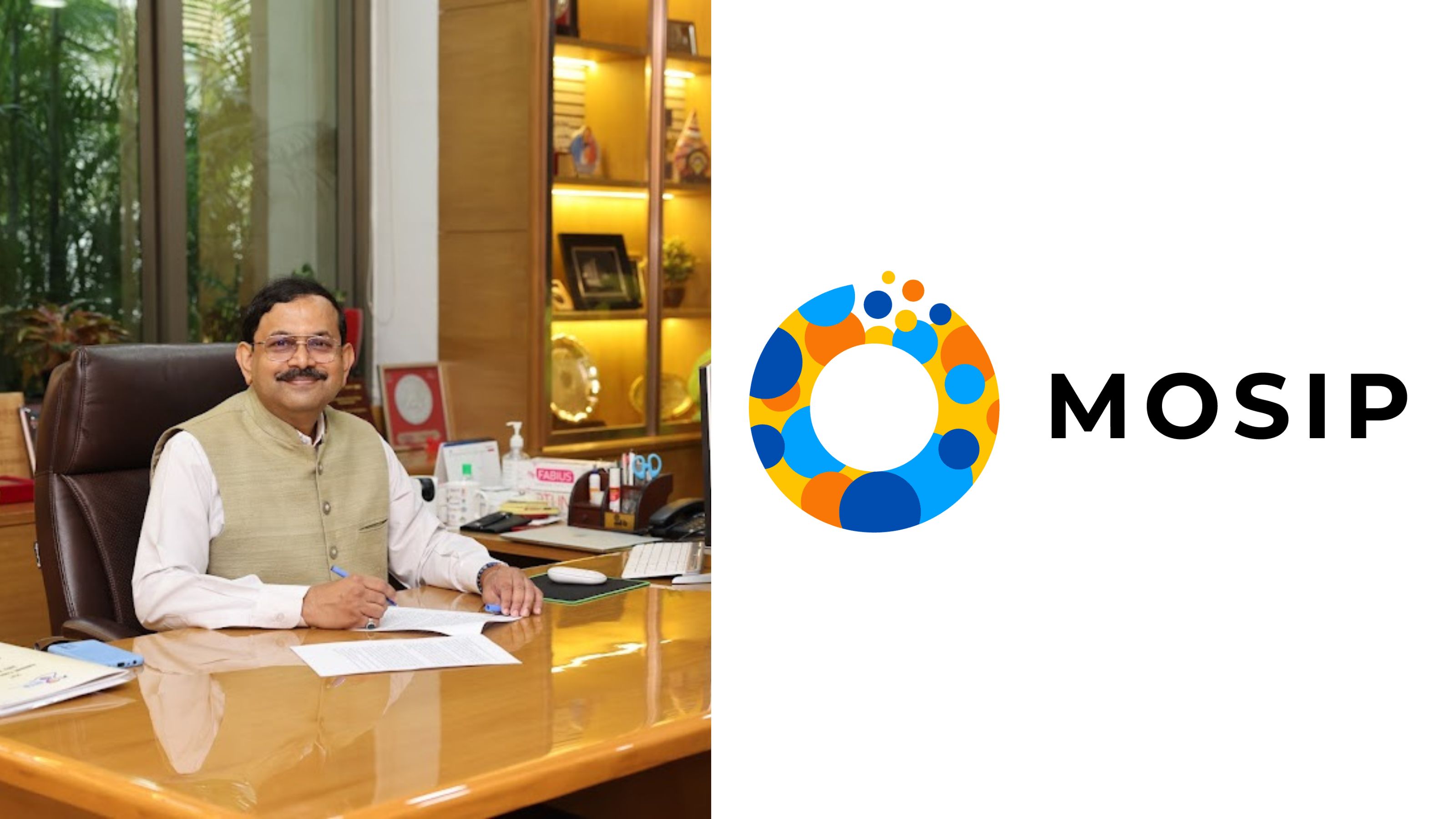
Professor Debabrata Das heads the International Institute of Information Technology Bangalore (IIITB), the institution behind the widely adopted open source platform, MOSIP, to build digital ID systems. Image: Prof Das
Professor Debabrata Das, a pioneer and leading figure in open-source digital public infrastructure (DPI), likens the role of the university to that of a tree, nurturing and sharing the fruits of public good that sustain tech sovereignty.
Prof Das leads the International Institute of Information Technology Bangalore (IIITB) in India, which is behind the open source platform, Modular Open-Source Identification (MOSIP), that is used to build national digital ID systems.
He also serves as an advisor for the Government of India and the state government of Karnataka.
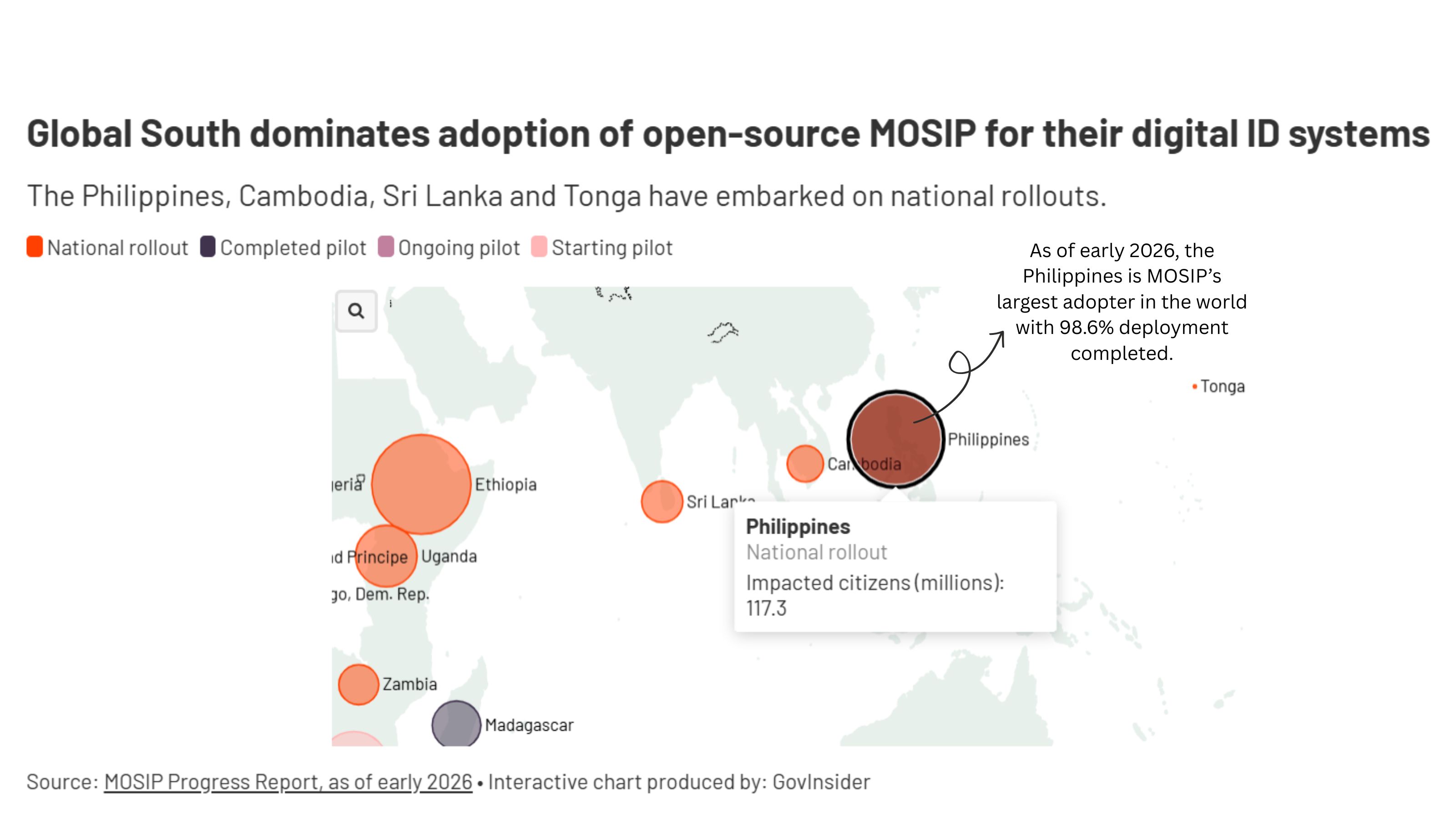
According to MOSIP’s progress report published this year, 14 countries have rolled out MOSIP-based systems, which saw more than 185 million residents receiving their national digital IDs.
In a highly volatile world, Prof Das envisions the university as a vital "open knowledge sanctuary.”
“Looking at the present geopolitical situation, it becomes very difficult to depend on any companies. So, universities become a very trustworthy platform because of its international reach. People come here to learn and grow,” he shares with GovInsider.
The core duty of these institutions is to translate research into tangible products that “touch the lives of human beings”, he adds.
"Students go away, but the tree stays," he explains. "It should shelter everyone and share the fruit of knowledge with the world."
We gather the lessons learnt from the man behind the institution developing some of the world’s most impactful open-source products to support other nations’ digital government journeys.
India’s digital government journey as a testbed
Prof Das shares that the success of India’s DPI rollout to 1.4 billion users represents more than just technical and social achievements.
It’s also a testament to the country’s talent in the open source tech sector.
By using India as a massive test bed for Aadhar (digital ID), UPI (digital payments) and DigiLocker (data exchange), Bangalore, which serves as a tech hub to scale these initiatives, managed to keep its local tech talent to transform the city into a global open-source tech powerhouse.
Beyond DPI, open source is also driving the adoption of artificial intelligence (AI) in the India market with Linux Foundation Research and Meta’s recent report revealing that 76 per cent of the country’s startups use open source AI due to its cost-effectiveness and ability to customise.
As India’s DPI leverages open technologies, tech developers have been able to learn from the successes and failures of the rollout, he adds.
Open technologies is the practice of making source code, designs or application programming interfaces (APIs) freely available, allowing developers to build upon the existing work rather than reinvent the wheel.
Today, Bangalore and the rest of Global South are offering lessons around open-source, interoperable tech, and DPI for the other countries including advanced nations to secure their own digital sovereignty, he says.
Open source as a movement that keeps on giving
Prof Das positions open source DPI as a “a movement no one can stop.”
By the virtue of making the code open and free, the university levels the playing field for even small, local startups to build solutions to support the system.
The partners in the ecosystem may range from biometric device manufacturers to system integrators to compliance experts.
As for governments who have adopted IITB’s open source products like MOSIP, “they quickly understood the philosophy behind it and supported it.”
He explains that these governments became open source advocates after witnessing the impact of DPI on citizen’s lives.
For example, in Ethiopia, 77,000 refugees and asylum seekers were onboarded into the MOSIP-based Fayda ID as of May 2024, which enables them access to national services and the formal economy.
“We don’t do any marketing. When countries benefit from this, they are telling other countries and training them.
“Since the knowledge, processes and code are free and open for everyone to adopt and learn, they can train their neighbours,” he says.
A pitch to the young coder
On Prof Das’ pitch to a young coding student who just graduated to work on tech for public good, he puts forward the “carrot” of problem solving for public good.
He observes that the younger generation today is "attracted” to complex, societal challenges.
“There are extremely brilliant young talent in India, and they work 12 to 14 hours per day. Not because we ask them to. They work hard because they are passionate people,” he notes.
“You cannot do a good job if you are not passionate and if you do not think about the betterment of the world,” he reflects, as he shares about what led him to return from the "comfort zone” in the US back to Bangalore to contribute to tech for public good.
Prof Das shares about the immense satisfaction felt when he met with the Cabinet Minister of Brazil a few days before this writer did the interview with him. Somewhere in the Amazon jungle, a farmer is benefiting from open source DPI components that have been developed by the IIITB.
“The work has led me to reach to some places where my conviction and the decisions I took were around the people of the India and the world,” he wraps up.