The case for academic incubators to drive ASEAN’s healthcare breakthroughs
Academic incubators can transform how the region tackles health challenges, as well as bridge science, entrepreneurship and social impact.
-1761787698466.jpg)
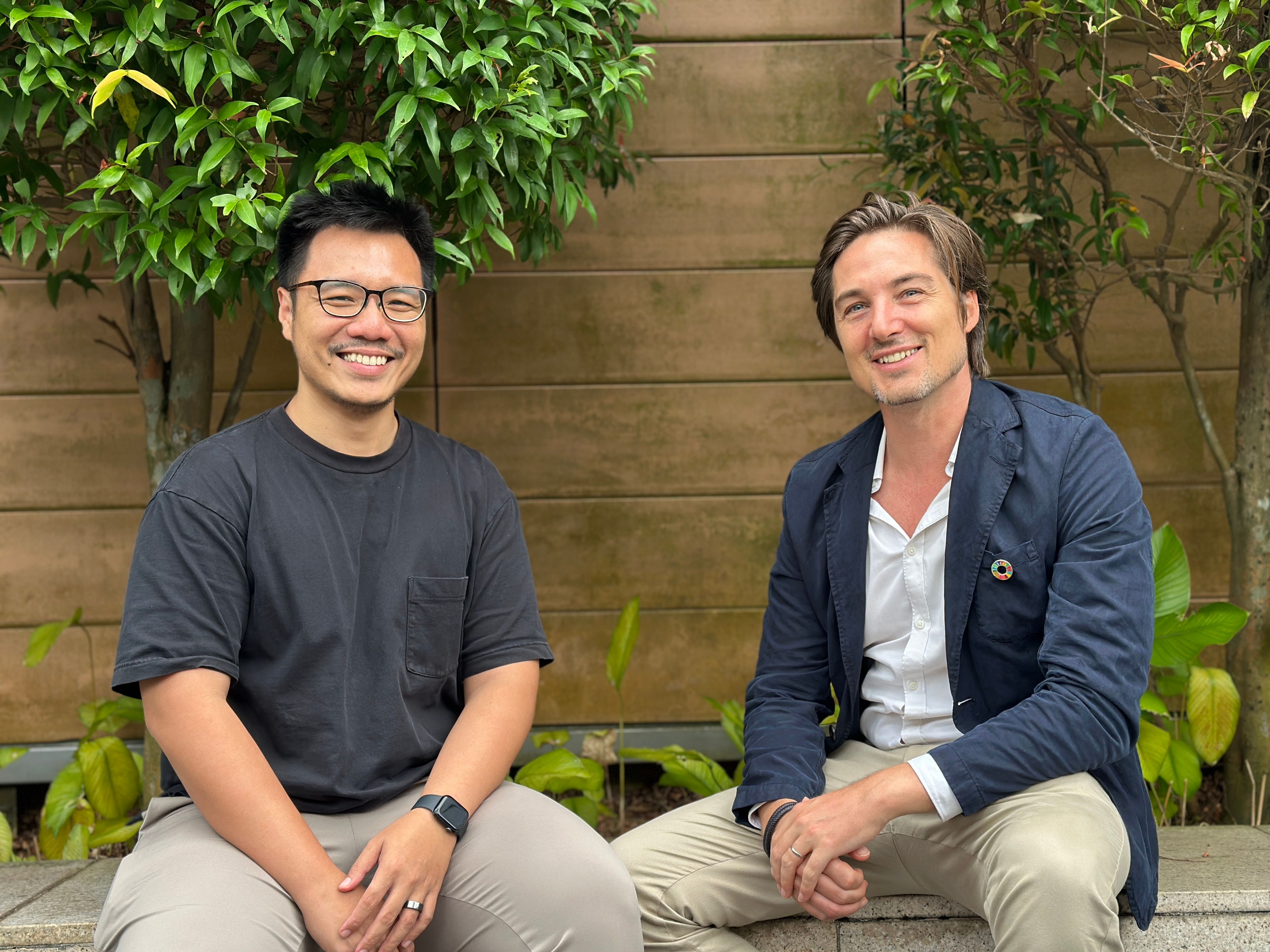
SingHealth Duke-NUS Global Health Institute's Global Health Innovation Fellowship wanted to redefine what healthcare innovation means for Southeast Asia. Image: Dr Daniel Mahadzir
A scientist develops an exciting prototype during a grant-funded project. The findings look promising. But when the grant ends, so does the project.
Without follow-on funding, mentorship and the bridge between academia and the market, the project disappears into what researchers call “the valley of death,” the gap between a promising research discovery and a real-world product that saves lives.
For innovators in Southeast Asia, that gap is even wider due to the lack of deep venture capital investments and structured support systems. Many bright ideas from university labs or early-career researchers fall through the cracks before they have the chance to reach patients.
With global data showing that almost nine out of ten startups fail, Southeast Asia cannot afford to keep losing its most promising health innovations this way. The region needs a new bridge between research and reality.
This is where academic incubators come in.
Unlike traditional startup accelerators that focus on speed and scale, academic incubators are anchored within universities and hospitals.
They bring scientists, entrepreneurs, and policymakers into the same space to nurture ideas that are both evidence-based and commercially viable.
Their goal is not just to produce the next billion-dollar startup, but to turn research into solutions that genuinely improve lives.
This inspired the SingHealth Duke-NUS Global Health Institute to rethink how innovation support should look in the region.
Hackathon as starting point
The result was the Global Health Innovation Fellowship, a program that treats the hackathon not as the destination but as the starting point.
Following a two-day hackathon, the three most promising teams were given pre-seed funding and six months of structured incubation to refine their ideas.
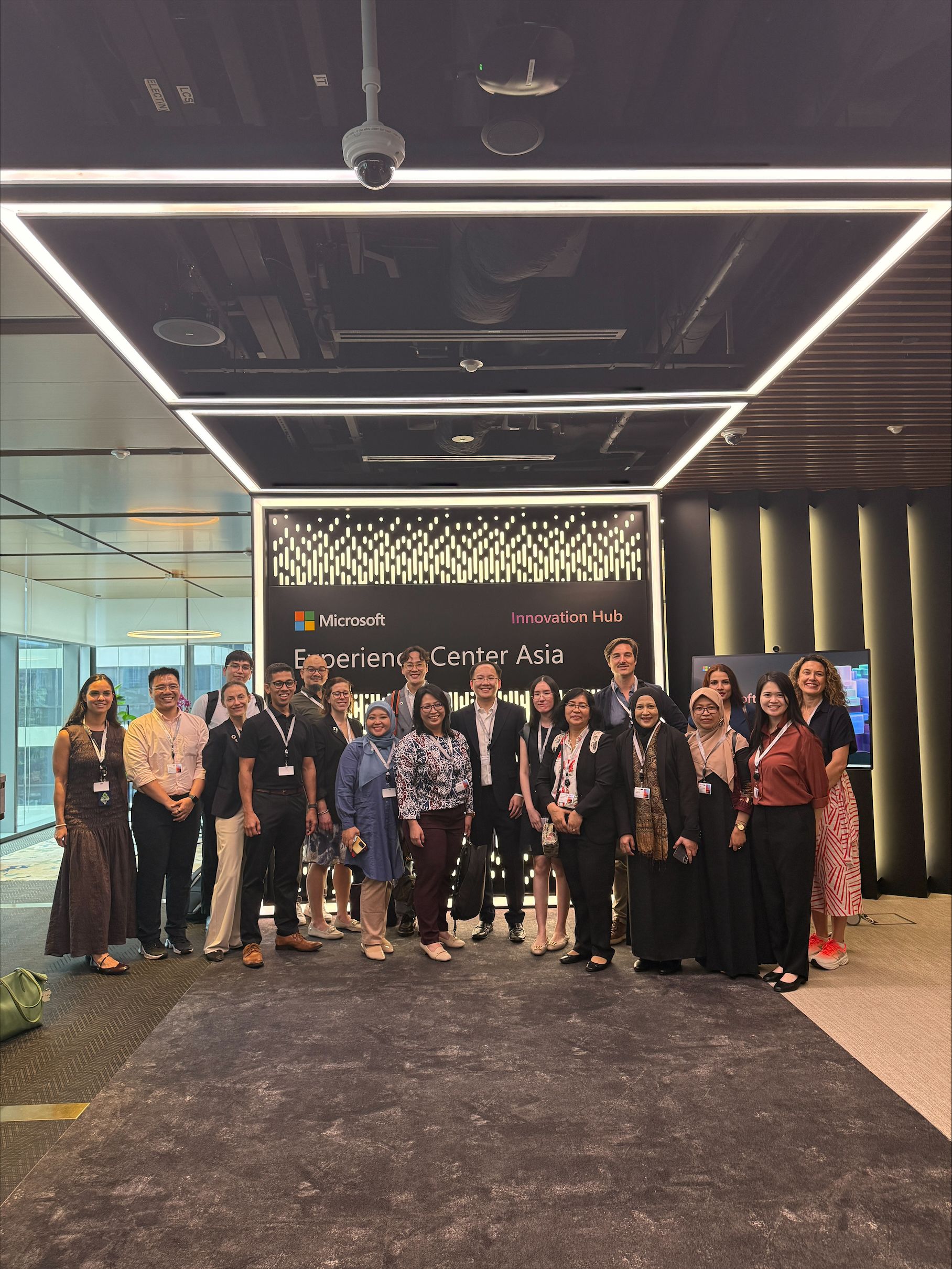
The teams came from Malaysia, Thailand, Mongolia and Indonesia, all with the aim to alleviate the health burden caused by climate change, a theme that is becoming increasingly urgent across Asia.
The results after 22 weeks were striking.
Of the three teams selected, two are already moving toward commercialisation.
One has registered as a company and begun meeting investors. The third team realised, through the process, that their idea would have greater impact as a research project rather than a product.
That decision might sound like a dead end, but it is the opposite. Knowing when to pivot or redirect efforts is a key part of innovation. It saves time, resources, and prevents frustration later.
This is the aim of this new academic incubation model: ideas are tested, validated, and refined within a supportive ecosystem. Failure becomes learning.
But the story here is bigger than one fellowship. It is about redefining what innovation means for Southeast Asia.
Redefining innovation for Southeast Asia
For decades, “innovation” in global health has often meant importing high-tech solutions from high-income countries and trying to make them fit in local contexts.
These technologies may be impressive on paper, but struggle to survive outside in the markets they were designed for. Studies suggest that between 40 and 70 per cent of imported health technologies fail during implementation in low- and middle-income countries.
True innovation for Southeast Asia must start from within.
It must be driven by local scientists, clinicians, and entrepreneurs who understand the unique challenges their communities face, from the dual burden of infectious and non-communicable diseases to the health impacts of rising temperatures and pollution.
These innovators know that sometimes, the smartest solution is not the most expensive one.
In the hackathon stage, teams were not just evaluated based on the innovative idea, but also the problem they wanted to tackle. The final three teams were looking into a low-cost monitoring tool designed for personal exposure towards environmental pollution and health risks.
The value lies in the outcome, not the novelty.
Combining entrepreneurship with science
This fellowship combines the rigour of research with the flexibility of entrepreneurship to teach scientists to speak the language of investors and policy-makers while keeping their focus on public benefit.
It provides structured mentorship, validation frameworks, and access to multidisciplinary networks that help good ideas survive the perilous early stages of development throughout the 22 weeks.
This approach helps to ensure accountability. Evidently, when an innovation emerges from an academic incubator, it is more likely to be grounded in evidence, ethically tested, and aligned with health system needs. It is less about chasing headlines and more about creating sustainable, scalable impact.
For Southeast Asia, the fellowship could be a transformative model.
The region’s universities, including Duke-NUS Medical School, are full of bright researchers who understand local problems better than anyone else.
As the fellowship is housed in the SingHealth Duke-NUS Global Health Institute, the opportunity also extends to other partners in the region.
Collectively, this fellowship will facilitate the region to create a steady pipeline of locally-led solutions, ones that are designed to work in their own social, economic, and environmental realities.
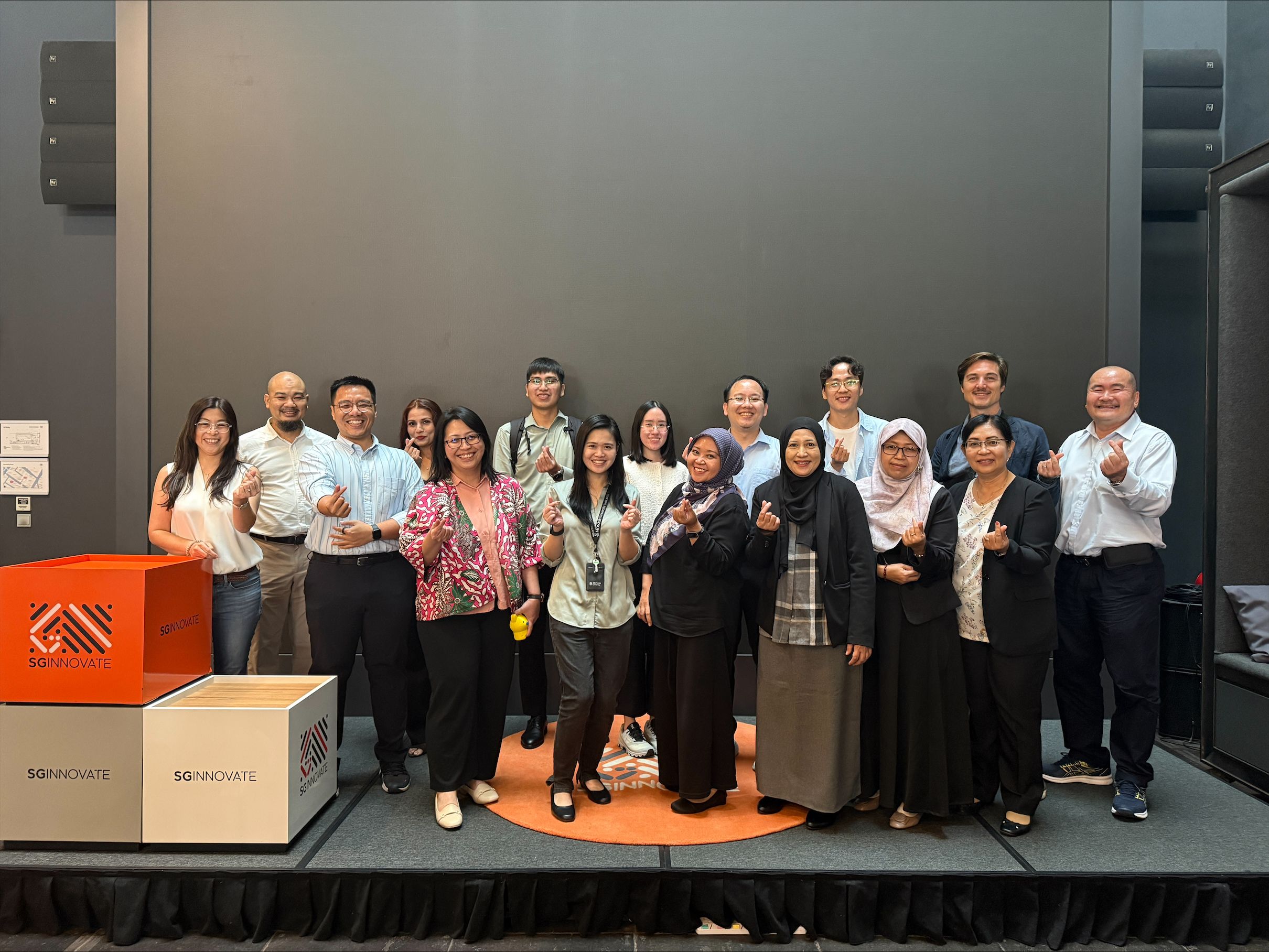
The potential goes beyond individual products. Our participants formed a regional ecosystem for health innovation, linking researchers from Medan to Kuala Lumpur to Ulaanbaatar.
In the long run, shared platforms for training, funding, and testing could accelerate the development of new tools, from telehealth systems to climate-resilient food interventions.
Compounding crises necessitate a new innovation ecosystem
In a world where health threats are becoming more complex, from pandemics to heatwaves to ageing populations, Southeast Asia has every reason to invest in this kind of ecosystem.
The region cannot depend indefinitely on solutions imported from elsewhere. It must cultivate its own innovation capacity, built on the knowledge, experience, and creativity of its people.
The outcome of Global Health Innovation Fellowship shows that this is possible.
With the right structure, mentorship, and support, an academic incubator can turn the valley of death into a pathway for progress. They can help ensure that research does not end in a publication, but in a product, a policy, or a practice that changes lives.
Innovation will always involve risk. But when that risk is shared, supported, and strategically guided, the odds of success increase dramatically.
For Southeast Asia, this fellowship represents not just a new way to think about innovation, but a way to build a future where local ideas have a fair shot at making global impact.
If the region can make that shift, the next great global health solution might not come from a distant lab. It might come from right here, nurtured in a classroom, tested in a clinic, and grown in an incubator that believed in its potential to change the world.
---------------------------------
The writers are Dr Muhammad Daniel Azlan bin Mahadzir, Innovation Fellow, SingHealth Duke-NUS Global Health Institute, Duke-NUS Medical School, and Associate Professor Jonas Karlström, Innovation Core Lead, SingHealth Duke-NUS Global Health Institute, Duke-NUS Medical School in Singapore.