-1783304403050.jpg)
The unlikely bureaucracy hack: Put an artist in the government department
Oleh Si Ying Thian
As governments grapple with how to innovate from the inside, CAIR Lab’s Mallory Rukhsana Nezam shares the tangible outcomes from artist-in-residency programmes in the US government.
-1779074746821.jpg)
(Left to right) CAIR Lab's founders: Johanna K. Taylor, Amanda Lovelee, Mallory Rukhsana Nezam. Image: CAIR Lab
When the US state of Minnesota embedded 12 artists across its state parks in 2024, the government wasn’t just commissioning murals and sculptures.
It was tackling a harder question, with the help of the artists: How do you make people feel that public spaces belong to them?
This led three government agencies embarking on a year-long experiment, known as MNPAiR (Minnesota Parks Artist-in-Residence) programme, across 13 different parks and trail sites across the state.
After the artist-in-residency programme ended, the communities that were formed around artist-led events continued to meet and park staff also approached their own work differently.
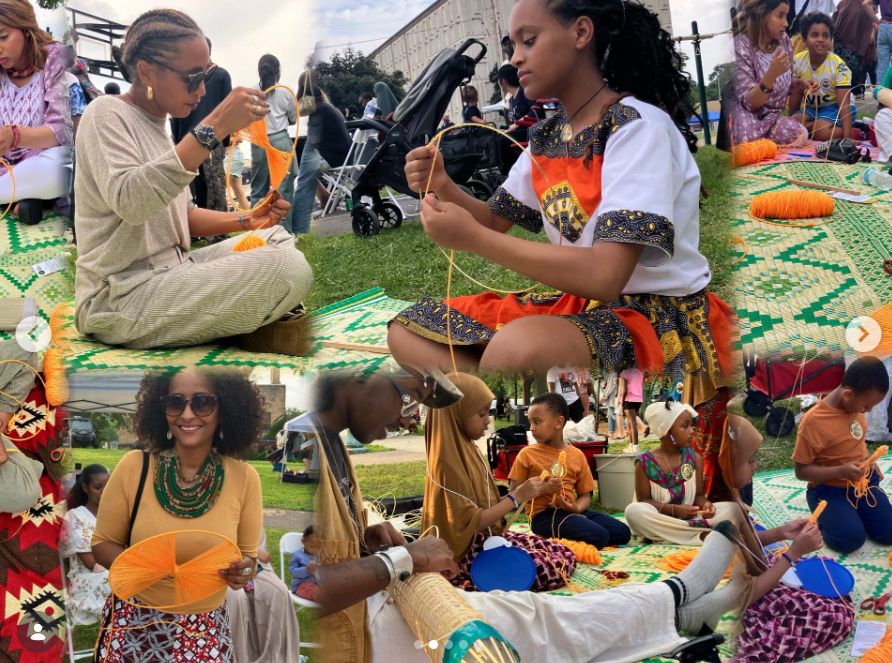
According to the US-based Cross-sector Artists in Residence Lab (CAIR Lab), Co-founder, Mallory Rukhsana Nezam, the programme has become one of the strongest arguments for renewing state funding for such projects.
“Artists have these interesting ways of solving problems, and they should be at the table in conversations about policy, governance, and development,” she tells GovInsider.
What happened in Minnesota was just an example of a growing movement of placing artists inside government agencies and not just to decorate lobbies.
Rather, these artists could be catalysts in finding ways to crack bureaucracy, deepen citizen engagement, and help public officers rediscover the meaning in their work, Nezam says.
Creative problem solvers government didn’t know they need
“Everyday people want something different in the government today, and this is the moment to infuse creative energy into the government,” she adds, highlighting that there is a hunger for systemic innovation in the US.
With something new comes creativity, Nezam says, and artists bring about a
fundamentally different way of tackling problems to public officers who have spent the last 20 years doing the same thing.
For example, the Policy Lab in the UK government has implemented the MANIFEST programme, which provides opportunities for artists to work with policymakers to test and evaluate new ways of making policies.
Since 2022, eight contemporary artists have worked alongside UK policy teams as collaborators in live policy contexts. An evaluation of their first year programme can be accessed here.
Aside from thinking of out the box, she highlights the value of artists in bridging silos between departments, disciplines, and spaces (from the micro- to the macro-level spaces); as well as adapting artistic mediums to tackle different policy problems.
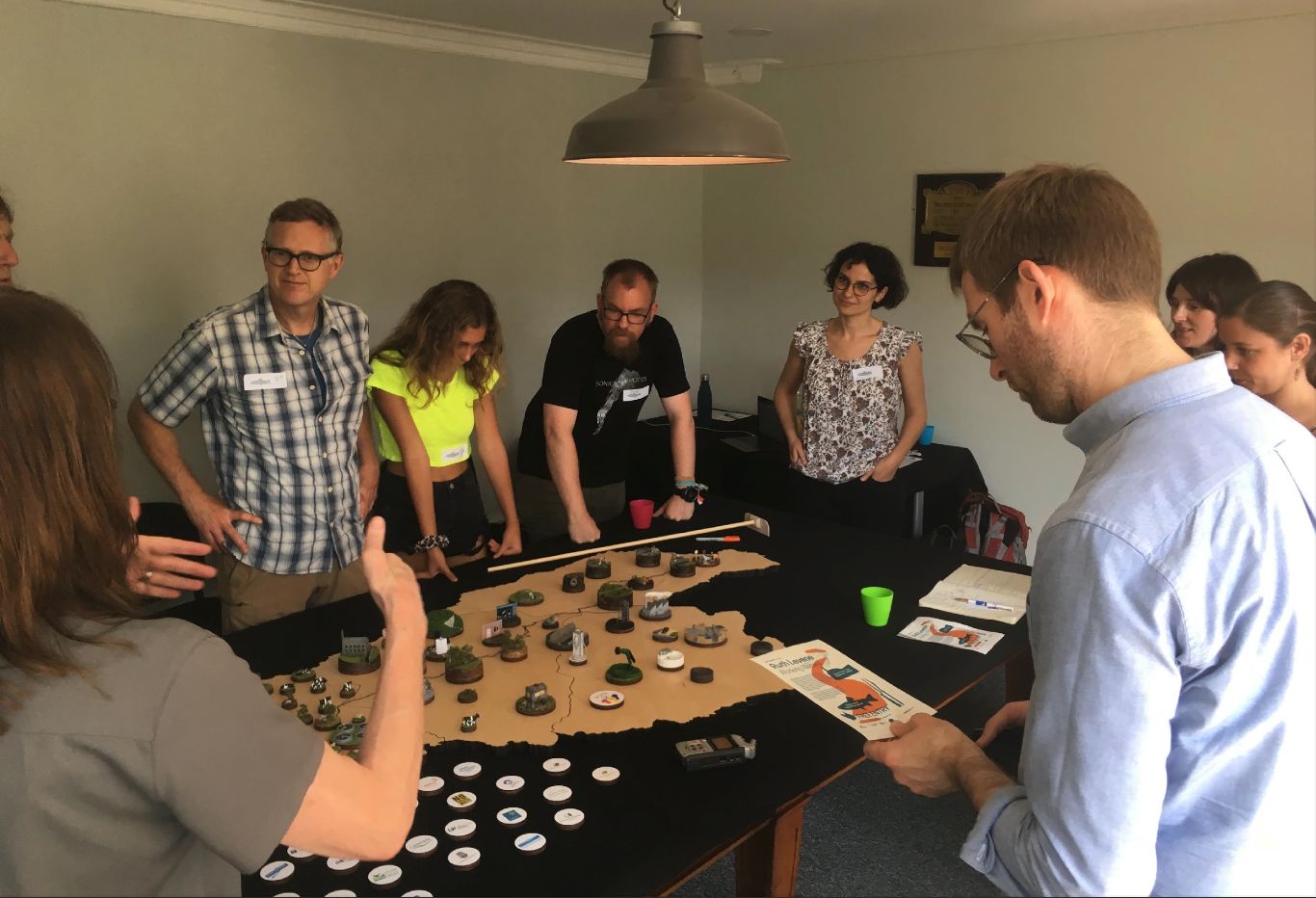
A good example of bridging spaces is when Nezam’s team adapted a retrofitted truck to bring "pop up meetings" directly from the government into Saint Paul city’s local neighborhoods to improve public engagement.
Around 90 per cent of the participants never attended a city council meeting before, highlighting the tangible change an artist can bring to a government department.
But results like these don't happen spontaneously with just placing artists inside government departments then leaving them to experiment.
The difference between an artist-in-residence and a commissioned artist is one that Nezam finds herself explaining often.
While the former is brought into co-discover, the latter is hired to deliver.
Getting that distinction right from the outset determines whether the collaboration succeeds. “If they want a sculpture or a mural, that is a completely different programme, and that is called a commission,” she says.
What artists in the government actually do
Placing an artist inside a government department may sound like an abstract experiment, while in practice, Nezam describes it as a structured process.
The first phase is discovery, where the artist understands the agency’s culture before they can do anything meaningful inside it. In practice, this means sitting in meetings, learning about the agency’s acronyms, and building relationships.
Nezam calls this a critical stage as programmes that skip it often fail because artists and bureaucracies have very different ways of working.
The second phase is where real creative work begins. With an understanding of how the agency works, the artist identifies where they can add the most value and where creative interventions may land.
Nezam highlighted the "working like water" philosophy inspired by another artist-in-residence, Marcus Young, who worked a sidewalk poetry project alongside the city government.
The best artists-in-residence find where the institution is already moving and flowing alongside it.
Instead of fighting for new resources, Young spotted that the city was already repaving sidewalks and simply added a poetry component sourced from the communities who used them.
The third and final phase is execution, by completing the project they have co-developed with the agency, whether it’s a public artwork, a new engagement format, or another intervention.
Helping civil servants fall back in love with their jobs
For the sceptical public officer who sees art as a distraction from their real work, Nezam says that those who have taken the leap found that “it renews their love of their job and brings joy back to their work.”
Part of that renewal, she explains, comes from artists inviting public officers to reconnect with a part of themselves that the demands of bureaucracy have buried.
“Everybody was creative and imaginative as a kid, and now you're saying you're too busy for it,” she says, highlighting that art can help reignite why public officers do the work they do.
Artists also deepen the meaning of public officers' work in a more tangible way, by improving how departments engage with the communities they serve.
"Once you're seeing how people are interacting with what you do; it makes the work feel more meaningful,” she says.
Start with a willingness to experiment
For public agencies curious about bringing artists on board but daunted by the prospect, Nezam's advice is to start small.
A pilot residency could be as short as three months, and this is a lower-stakes way to test whether the collaboration works for your department before committing something more substantial.
The option to commission an artist on a specific, defined project remains open for governments, instead of partnering with an artist on more open-ended terms in a residency.
The process is going to be more fluid and experimental, she says, calling for governments to treat it as a test they can learn from.
"If you've never worked with an artist, it will probably be pretty impactful. It will wow people in a way you might not expect,” she says.
In an era when governments are under pressure to do more with less, creative bureaucracy may be the most underrated case for artist-in-residency programmes.