
The weakest link in cybersecurity
Oleh Justin Fong
Humans are prone to emotional mood swings, are social animals, and can be easily distracted; while these traits are strengths in day-to-day interactions, they also make us vulnerable to social engineering-based cyberattacks.
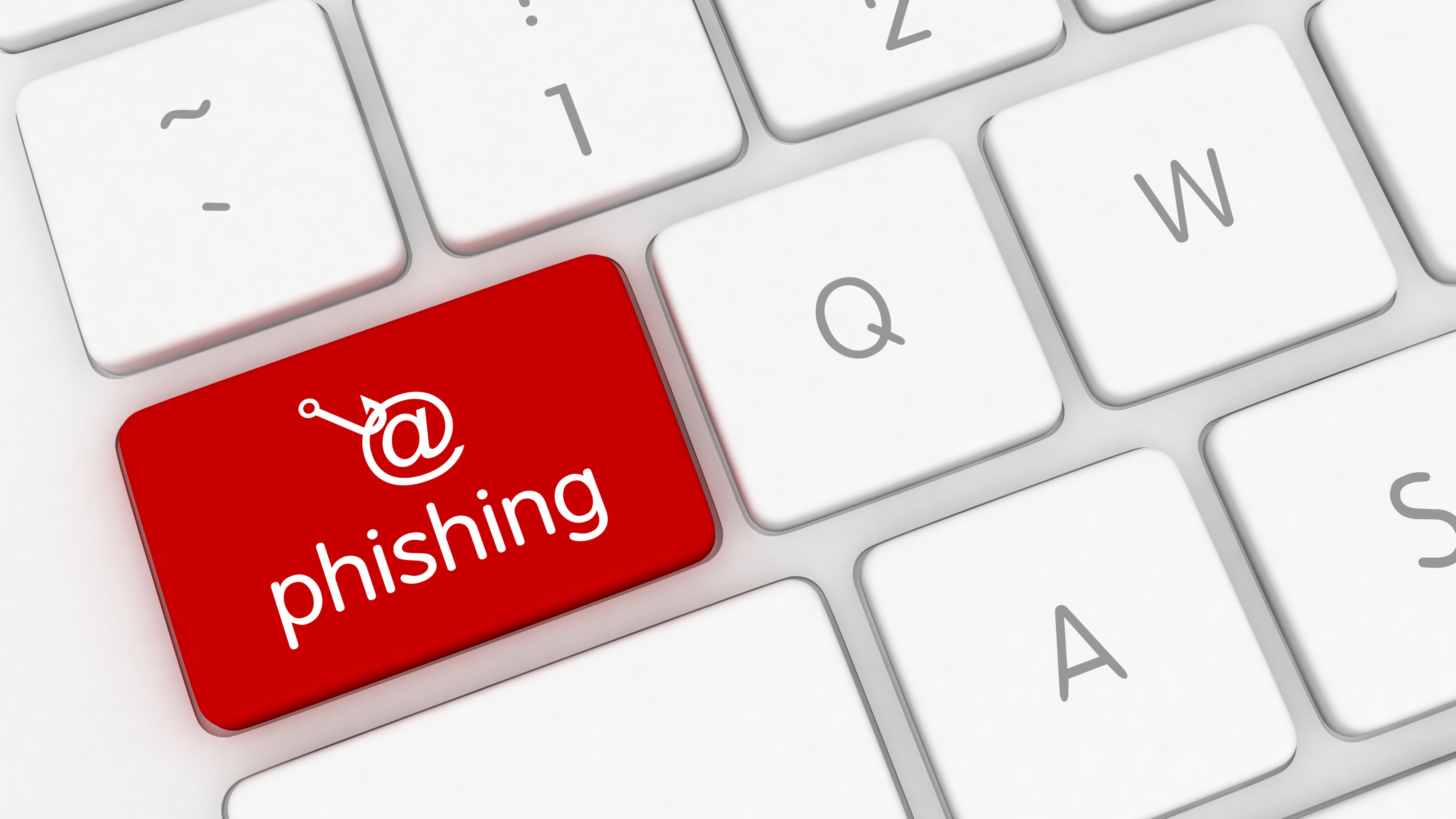
The human mind remains the most unpredictable variable in cybersecurity as the biggest cybersecurity threat isn’t the code; it’s the inadvertent click. Image: Canva.
When we think of cyberattacks, we often picture hooded hackers typing furiously in dark rooms, or malicious software slipping undetected into our system.
In reality, behind nearly every breach lies something far simpler, a human decision.
Someone clicked a link. Someone replied to an email. Someone trusted the wrong person. It’s not carelessness, it’s being human.
While technology evolves to detect and deter many forms of digital intrusion, the human mind remains the most unpredictable variable in cybersecurity.
Humans are emotional, social, and easily distracted. Those traits make us excellent collaborators, but they also make us vulnerable.
The truth is simple. The biggest cybersecurity threat isn’t the code; it’s the inadvertent click. According to IBM’s 2024 Cost of a Data Breach Report, 74 per cent of all breaches involved human error or social engineering.
The psychology behind every click
Cybercriminals don’t need to outsmart our software when they can exploit the mental shortcuts we rely on every day.
By targeting the same instincts and heuristics we use to help us make quick decisions in daily lives, cybercriminals target the soft belly of our cyber defences via phishing attacks.
The Model of Phishing Susceptibility (MoPS), grounded in research from human-computer interaction and cognitive psychology, provides a useful lens to understand this vulnerability via three interacting elements: Susceptibility = Personality + Emotion + Situation.
This simple equation describes how personality, mood, and context interact to influence our likelihood of clicking when we shouldn’t.
The three dimensions of MoPS
1. Dispositional factors – Who You Are
Our personalities influence how we respond to requests and authority.
- Agreeable individuals tend to comply quickly, especially when an email appears to come from a senior leader (“Your CEO needs this immediately.”).
- Curious individuals are drawn to enticing attachments or insider information (“Staff bonus list 2025.pdf”).
Such traits aren’t flaws. They are strengths.
Agreeableness helps teams run smoothly, while curiosity fuels innovation.
But in the wrong hands, they can be exploited and used against us.
2. Situational factors – Where You Are
Even the most vigilant person can fall for a phishing attack under the right conditions.
When we’re tired, overloaded, or rushing to meet a deadline, our cognitive defences drop.
Attackers know this, and that is why phishing campaigns often coincide with busy periods like end-of-quarter reporting, payroll cycles, or just before holidays, when attention is fragmented and urgency feels natural.
Timing, in the cyber world, is a weapon.
3. Cognitive and emotional states – How You Feel
Most phishing attempts succeed because they trigger emotion before logic can catch up. Social engineers rely on four universal psychological levers that consistently bypass reason:
-
Authority: “This is HR. Send me your details immediately.”
-
Urgency: “Your account will be suspended in 30 minutes.”
-
Curiosity: “Confidential report attached.”
-
Familiarity: “Hey, we met at last week’s event!”
If these sound familiar, it’s because they mirror our workplace culture.
Hierarchy reinforces authority. Fast-paced environments reward urgency. Knowledge-driven roles thrive on curiosity. And relationship-based industries celebrate familiarity and rapport.
Ironically, the very traits that make us effective professionals are the same ones that hackers exploit.
Building the human firewall
Firewalls and encryption protect systems. But only awareness and culture protect people.
To build a cyber-resilient organisation, we must not just rely on software; we must also train minds. The goal isn’t to make employees paranoid, but to make them self-aware. Here’s how organisations can cultivate Human firewalls in the organisation.
1. Normalise vigilance, not blame: Employees should feel safe to report suspicious messages, even if they turn out to be false alarms.
Every near miss is a learning opportunity. Reward attentiveness. Celebrate curiosity.
Replace the fear of making mistakes with the confidence to speak up. A no-blame culture converts potential victims into active defenders.
To subscribe to the GovInsider bulletin, click here.
2. Teach the triggers: Compliance threats don’t change behaviour. Experience does.
Run regular phishing exercises that recreate real-world manipulation - the feeling of urgency, the pressure of authority, the temptation of curiosity.
After each exercise, debrief using the MoPS model to help employees recognise how psychology shaped their responses. When people understand the why, they become better able to spot when something doesn’t seem right the next time.
3. Reinforce through rituals: Habits protect better than policies. Turn cybersecurity into a rhythm, not a reminder, through monthly phishing tests, five-minute security refreshers at townhalls and sharing lessons from near-misses. Small rituals compound into big resilience.
Cybersecurity starts with the leaders
When leaders double-check email requests, use multifactor authentication, or question “urgent” instructions, they model vigilance as a virtue.
This signals that scepticism isn’t cynicism but professionalism. Security culture always cascades from the top. If leaders click carelessly, everyone follows.
The behavioural core: Spot, pause and verify.
At the centre of every cyber-resilient organisation lies a simple behavioural loop that turns awareness into instinct.
-
Spot: Notice anything odd? Is the sender’s tone unusual? Does the email timing feel off? Is there a mismatch between the sender’s name and address? Awareness begins with observation.
-
Pause: Don’t react immediately. Emotion drives error. A short pause restores logic and stops impulsive clicks. Delay is your first line of defence.
-
Verify: Confirm using an independent channel. Call the sender. Check the internal system. Ask tech support. Trust but always verify.
This three-step practice acts like a psychological circuit breaker, interrupting manipulation before it becomes a breach.
The future of cybersecurity isn’t just about smarter algorithms or stronger encryption.
It’s about self-awareness.
When employees understand their own psychological triggers, they stop being passive targets and become active defenders.
Ultimately, while technology helps, only people can protect the system. And when every employee learns to “Spot, pause and verify”, the weakest link becomes the strongest shield.
-------------
The author is a former military security officer and senior communications leader with over 30 years’ experience. He helps organisations strengthen their human firewall by transforming employees from the weakest link in cybersecurity to the first line of defence. He has previously worked for the Singapore Armed Forces, Prime Minister’s Office, and A*STAR, leading crisis response teams, advising political office holders, and building communication strategies that work under pressure.