
Sri Lanka beefs up GovPay to further digitise government services
The government wants to tap on the online payments system to streamline government transactions, foster private sector innovation, and even tackle corruption.
-1752651995252.jpg)
Sri Lanka’s government digital payment platform (GovPay) has onboarded over 50 government agencies, allowing around 700 government services to be paid digitally. Image: Information and Community Technology (ICTA)
Sri Lanka’s government digital payment platform (GovPay) has onboarded over 50 government agencies, allowing around 700 government services to be paid digitally.
At a media conference on July 14, the government announced that GovPay has processed 7024 transactions, collecting a total of LKR 65.62 million (S$280,000) in government revenue.
Launched in February this year, GovPay is a collaborative initiative led by Sri Lanka’s govtech agency, Information and Community Technology (ICTA); and the country’s national payment network, LankaPay, which operates under the Central Bank of Sri Lanka (CBSL).
At the media conference, the country’s Deputy Minister of Digital Economy, Eranga Weeraratne, highlighted that digitalising government payments would make public services more accessible and efficient while also empowering every citizen to play a more active role in the economy.
“This is more than a technological shift, it’s a transformative step toward financial inclusion, transparency, and economic empowerment for all,” he said.
ICTA’s board member Harsha Purasinghe also stated plans to onboard more than 100 public agencies within the next few months and drive citizen adoption of digital payments across these public services.
At the media conference, ICTA also launched an updated GovPay platform, featuring a better user interface and real-time dashboards for improved visibility into transaction volumes and institutional performance.
GovPay for law enforcement and legal services
Alongside the media conference, two significant announcements were also made around the same time. These were the Police's new online traffic fine payment system, as well as the Supreme Court's online payment acceptance.
By the end of this month, the online traffic fine payment system, which was piloted in April in eleven police divisions, will be expanded to all police stations in the Western and Southern provinces.
The online traffic payment system comprises both real-time issuance of traffic fines as well as digital payments.
A nationwide rollout to all police stations is expected by September.
The April pilot saw the system having already processed 461 digital transactions, collecting over LKR 739,500.
Additionally, the Supreme Court's integration with GovPay would now allow both legal professionals and the public to pay online for various court services, including various filing and copying fees, compensation, enrollment fees, and more.
Sri Lanka’s Daily Mirror reported that other courts of law throughout Sri Lanka are expected to follow suit after Supreme Court’s adoption of digital payments.
At the launch event for Supreme Court’s integration with GovPay, Chief Justice Murdu Fernando stated that digital payment methods can help eradicate corruption from society, as reported by Daily News.
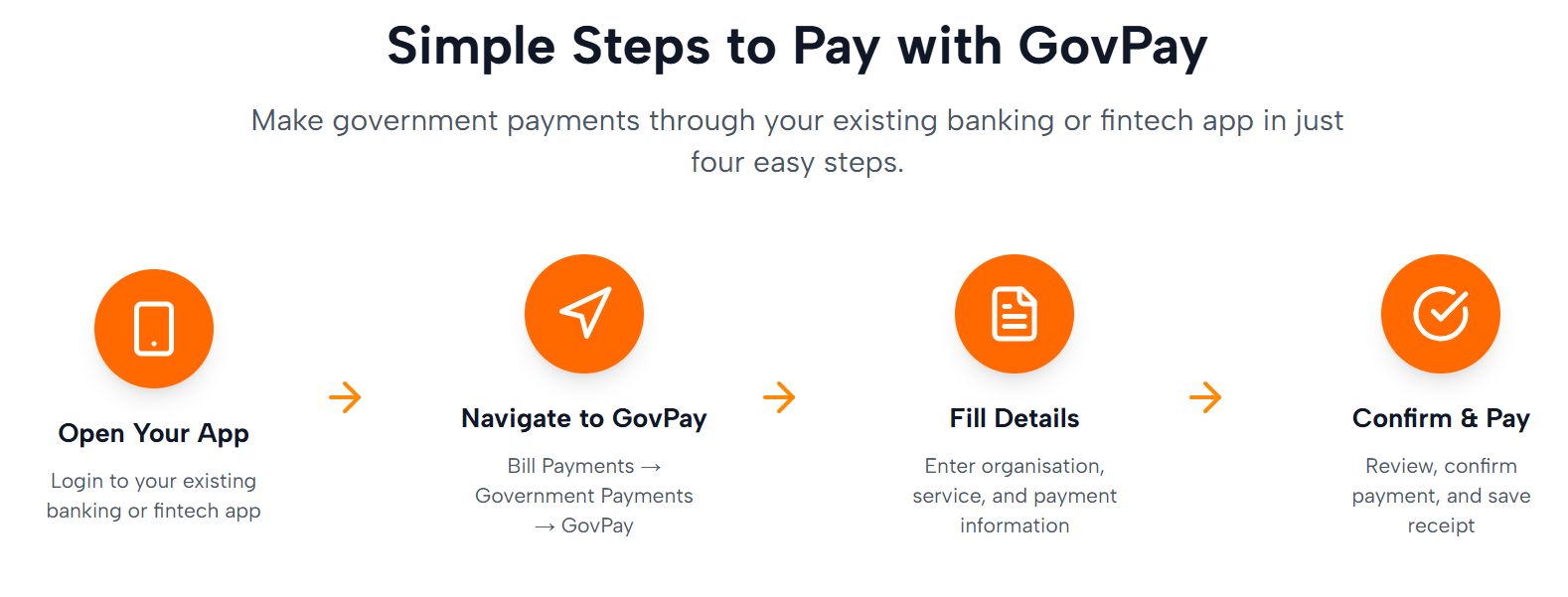
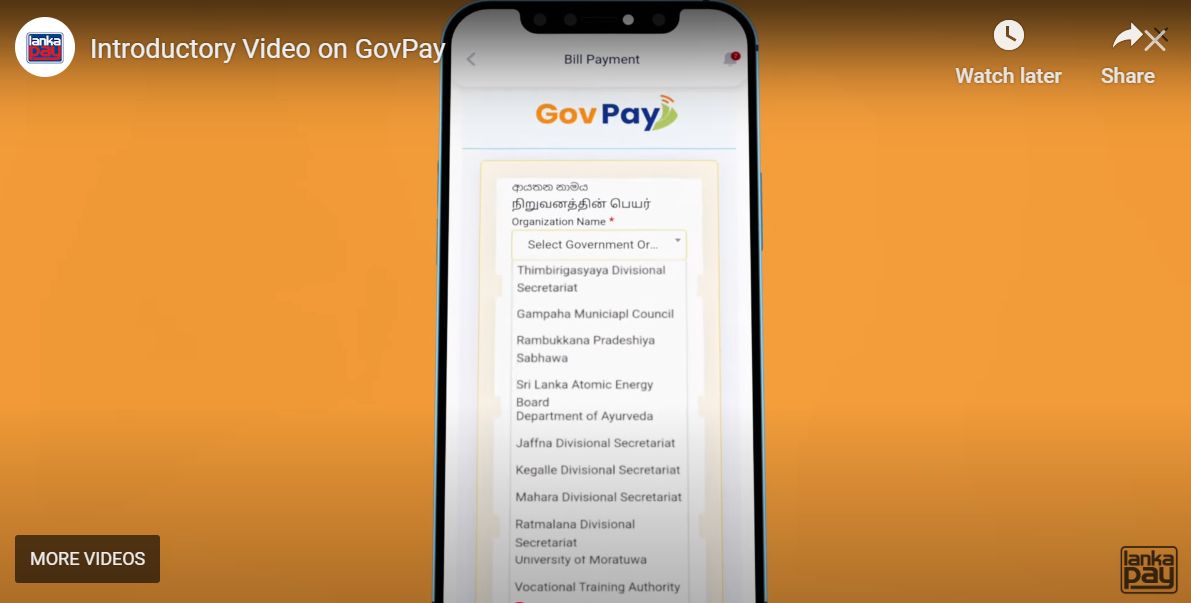
An official video showing how GovPay works highlighted the key benefits for government agencies to onboard GovPay.
These benefits included enabling agencies with no centralised payment system to accept online payments, no initial or recurring costs to join GovPay, no transactional fees or commissions for payments received by the agency, immediate credit of payments into agency's account, and agency's access to daily transaction reports through GovPay's backend portal.
A scalable and interoperable DPI
ICTA’s Acting CEO Sanjay Karunasena at the media conference emphasised GovPay as the “first step toward establishing a secure, scalable and interoperable digital public infrastructure (DPI) for payments in Sri Lanka.”
He explained that this planned payment layer of the DPI will be an open-loop system, allowing various networks to participate.
This would not only streamline government transactions, but also encourage private sector innovation, promote market competition, and ensure vendor neutrality, he explained.
Currently, GovPay only supports bank account payments. However, LankaPay was planning to add a card payment option to make digital payments more accessible and flexible for citizens, especially for those making payments from overseas.
Plans are underway for ICTA to establish the remaining pillars of Sri Lanka’s DPI, which are the National Data Exchange (NDX) and the Sri Lanka Unique Digital Identity (SL-UDI).
According to Biometric Update, ICTA had planned to use the Modular Open-Source Identity Platform (MOSIP), which is owned by Bangalore-based International Institute of Information Technology, as the foundational ID for SL-UDI.
The Philippines has similarly tapped on MOSIP to accelerate its development and rollout of its national digital ID system, PhilSys.
Digital government writer Mohammad J. Sear previously wrote how GovPay’s success depends on the government navigating the complexities of cybersecurity, regulation, and public trust.