Ruth Ayu Hapsari, Head of Tribe, Murid (Student Learning Platform), INA Digital Edu, Indonesia
By Mochamad Azhar
Meet the Women in GovTech 2025.
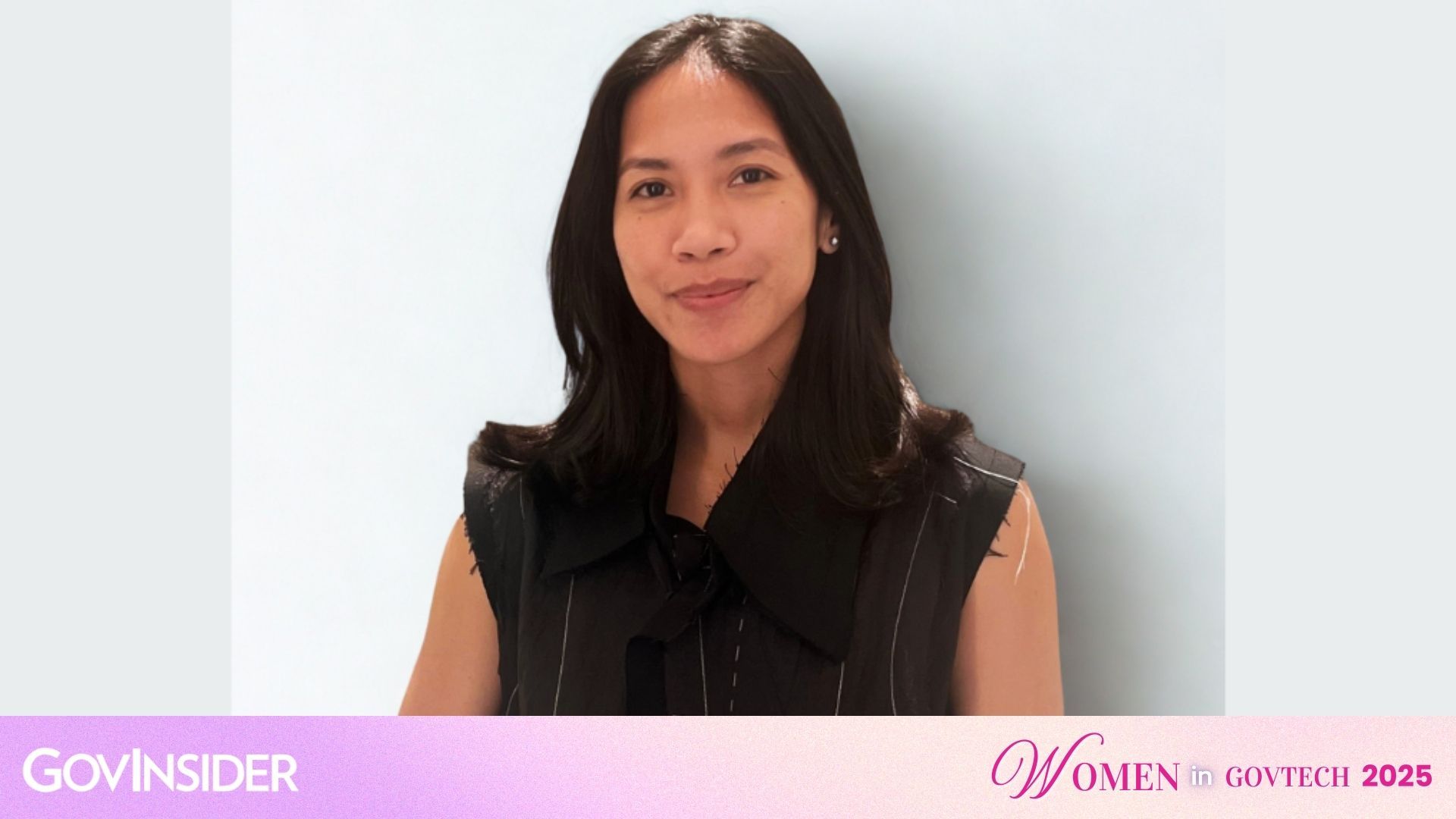
Ruth Ayu Hapsari, Head of Tribe, Murid (Student Learning Platform), INA Digital Edu, Indonesia, shares her story. Image: INA Digital Edu.
1. How do you use your role to ensure that technology and policy are truly inclusive?
I believe inclusivity requires the combined efforts of technology, policy, and operations.
Every solution must not only work technically but also be supported by the right regulations and strong operational structures, from outreach and training materials to a help desk that genuinely assists users.
Our technology design is always user-centred, based on an understanding of the realities faced by teachers, students, and schools across different contexts.
Most importantly, when designing technology for government, I believe we must always consider the lowest common denominator: low connectivity, basic devices, and high workloads.
Only when those with the greatest limitations can access a service, we can say the technology is truly inclusive.
2. What’s a moment in your career when you saw firsthand how technology or a new policy changed a citizen’s life for the better?
One of the most memorable moments was the launch of the Pelatihan Mandiri (Self-paced Training) on the Merdeka Mengajar Platform — now known as Ruang Guru dan Tenaga Kependidikan/Teachers and Education Personnel’s Room Platform (GTK).
A female teacher in East Nusa Tenggara shared that, for the first time, she could access high-quality training without travelling for days and leaving her classroom and family behind.
It made me realise that the social impact went beyond improving access to training.
It also reduced teacher absenteeism, ensured continuity of student learning, and supported her family’s wellbeing, because she could grow as an educator without sacrificing her role at home.
3. What was the most impactful project you worked on this year, and how did you measure its success in building trust and serving the needs of the public?
The most impactful project for me this year is Ruang Murid (Students’ Room Platform), where we integrated the national learning platform with interactive touch-screen devices (IFPs) to create more engaging and participatory classrooms.
After supporting more than four million teachers through GTK, my focus has shifted to 52 million students, ensuring they receive a safe, high-quality, and equitable digital learning experience.
This integration strengthens public trust that the state can deliver modern, relevant learning experiences to schools across Indonesia.
To subscribe to the GovInsider bulletin, click here.
4. What was one unexpected lesson you learned this year about designing for real people?
This year, I learned that the success of digital transformation depends on adoption and actual use, not on technology alone.
Impact only emerges when teachers are able to use platforms and devices to create deeper learning experiences for their students.
Training, mentoring, and field support therefore become essential to ensure that the solutions we design are truly used and have lasting impact.
I also gained a deeper appreciation for the need to bridge policy, product design, and operational activities to drive the success of government digitalisation programmes.
5. We hear a lot about AI. What's a practical example of how AI can be used to make government services more inclusive and trustworthy?
AI offers significant opportunities to strengthen education services, particularly by reducing teachers’ administrative burdens through tools such as AI-assisted lesson planning, automated marking, content recommendations, and analysis of students’ learning needs.
In education, AI is not here to replace teachers but to enrich their insight, enabling more personalised and accessible learning.
To ensure its inclusivity, teachers and students need strong support to adopt AI through training, practical guides, and real use case examples, so the technology can create meaningful impact.
6. How are you preparing for the next wave of change in the public sector? What new skill, approach, or technology are you most excited to explore in the coming year?
I prepare by deepening my skills in data governance, data interoperability, and AI policy for learning, all of which will be foundations for Indonesia’s school transformation.
I maintain a mindset of continuous learning and adapt to the needs of product development, policy evolution, and on-the-ground realities.
From a technology perspective, I look forward to advancements in open-architecture platforms, adaptive learning content, and AI that reduces teacher workloads while enriching students’ learning experiences. To navigate this wave of technological change, I believe adaptability is key.
7. What advice do you have for public sector innovators who want to build a career focused on serving all citizens?
My advice is to understand that meaningful impact happens when technology, policy, and operations work together.
Do not focus solely on product innovation; learn about regulations, bureaucratic dynamics, and real user needs on the ground.
Listen to users and conduct field research so that design remains user-centric and relevant.
Most importantly, build solutions that account for the most limited and challenging contexts – from low connectivity to basic devices – to ensure innovation is accessible to everyone, not only those who are already well-equipped.
That is the real essence of technological transformation in public service.
8. Who inspires you to build a more inclusive and trustworthy public sector?
My greatest inspiration comes from teachers, school leaders, healthcare workers, and frontline officers who continue delivering public services despite limitations.
They prove that service quality is not determined by the scale of the system, but by the commitment of people on the front lines.
Seeing how they use even simple technologies to support students or patients motivates me to build solutions that are relevant and easy to use.
9. If you had an unlimited budget, what would your dream project be?
I would build an AI infrastructure for learning, a system that works behind the entire education ecosystem, not merely as an added feature.
This technology would not only generate answers but also support decisions and actions: analysing students’ learning patterns, organising teachers’ administrative work, enabling early interventions, and ensuring each classroom progresses towards high-quality learning.
Such a solution would be designed for a large and diverse country like Indonesia, strengthening teacher capability, expanding access, and creating a learning system that is truly responsive and centred on every child’s needs.
10. Outside tech, what excites you the most?
I enjoy exploring cities and observing the everyday lives of the people who live in them.
Observing cities, transportation, public interactions, and how communities function gives me new perspectives on how public services should be designed.
Travelling helps me see that the best innovations often emerge from small observations that resonate with real life.