
AI supercharges satellite data for proactive disaster risk management in the Philippines
By Yen Ocampo
The Philippine Atmospheric, Geophysical and Astronomical Services Administration (PAGASA)’s Nathaniel T Servando highlights key takeaways from the country’s success in using AI on satellite data to build up disaster resilience capabilities.
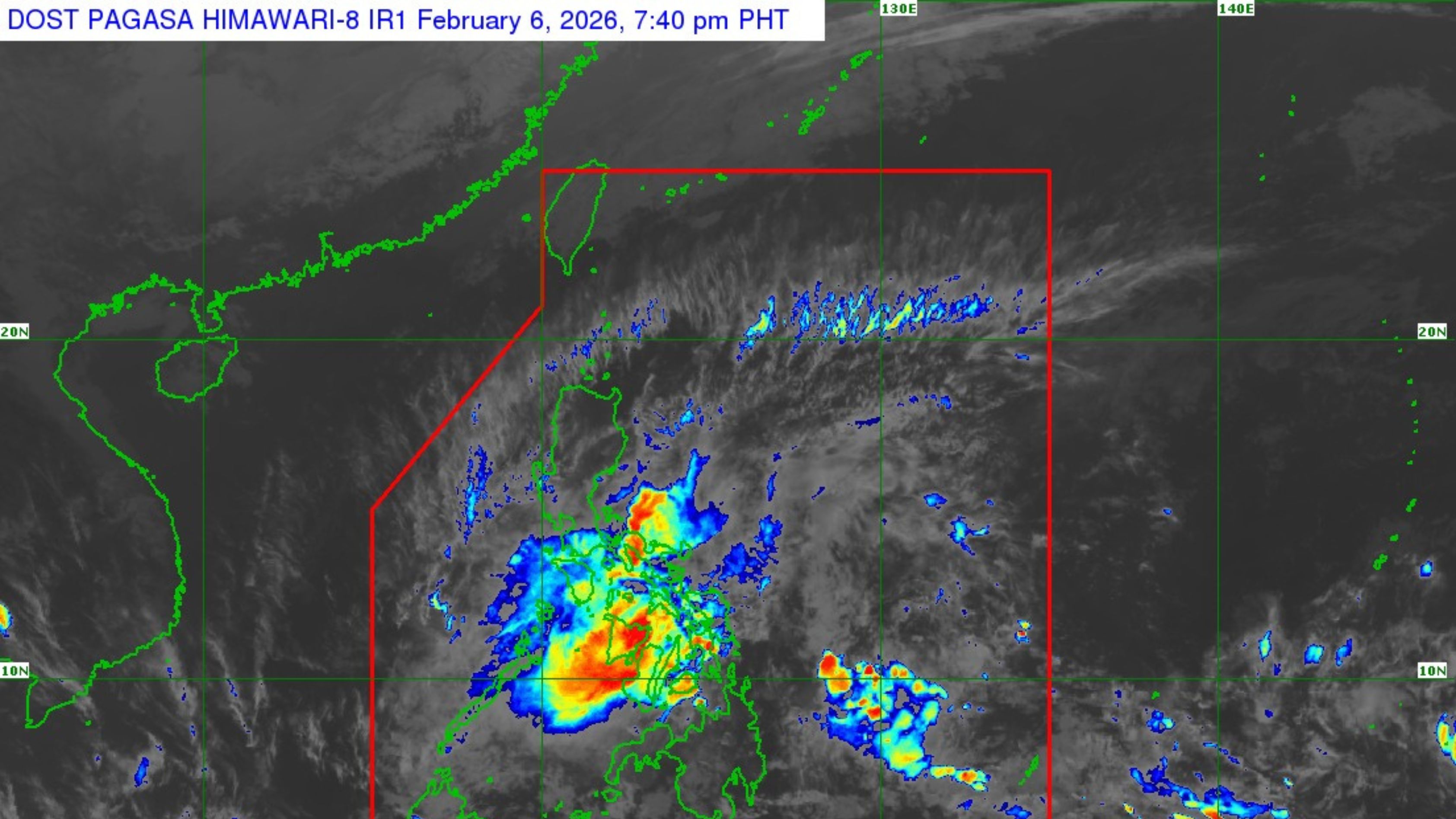
The Philippine Atmospheric, Geophysical and Astronomical Services Administration (PAGASA) leverages AI-driven, high-resolution weather models to enhance disaster preparedness, provide timely and reliable forecasts, and strengthen climate resilience. Image: PAGASA
Since 2020, the Philippine Atmospheric, Geophysical and Astronomical Services Administration (PAGASA) has been exploring the use of artificial intelligence (AI) to enhance forecast reliability.
After having integrated data from satellites, radar, ground stations, and environmental sensors, PAGASA has been using AI in its forecasting model to enable better planningevacuations, agriculture, and critical infrastructure protection.
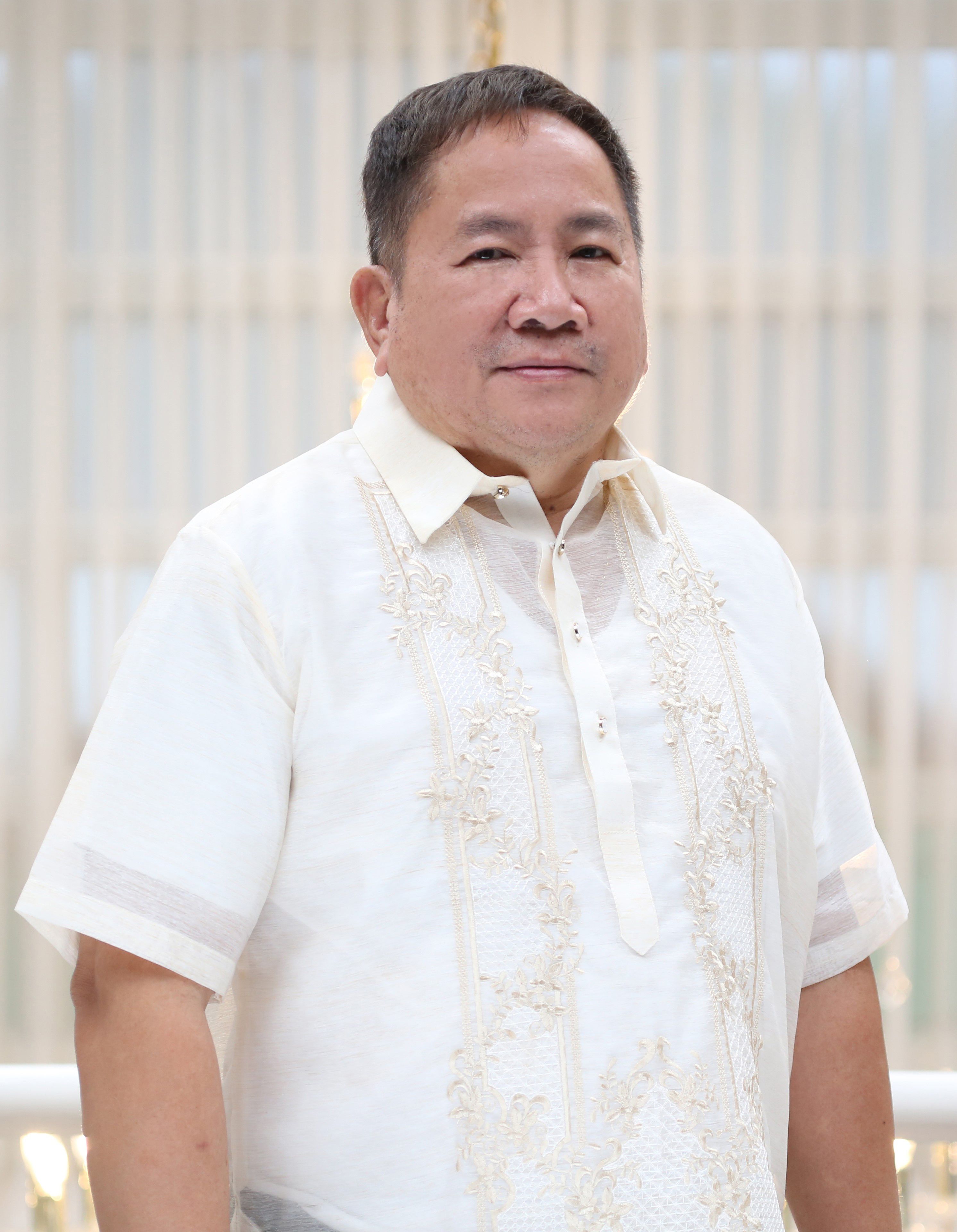
Speaking to GovInsider, PAGASA’s Administrator Dr Nathaniel T Servando says that the agency’s mission is no longer just about accuracy of weather information, but in making the information accessible to the public and useful to protect communities in the country when natural disaster strikes.
“Innovation is key to keeping the agency’s services adaptable to the changing needs of disaster risk reduction,” he adds.
How AI improves data-driven resilience
Explaining why AI helps in improving forecasting, Servando notes that traditional methods of forecasting have built in limitations, including uncertainty, short lead times for extreme events, and local-scale variability.
Sharing about the progress of the agency’s AI projects, he says that the improvements have strengthened the Philippines’ early warning system and disaster impact management.
One of the agency’s ongoing projects is the GaBAI Project, also known as AI-Weather Forecasting for a Resilient Philippines (AI4RP).
Launched in 2024, in partnership with the Advanced Science and Technology Institute (ASTI), the project aims to develop a high-resolution, AI-driven weather-forecasting model tailored to the Philippine environment.
By transforming large amounts of weather data into actionable insights, the project supports faster decision-making, stronger disaster mitigation, and better community preparedness.
Another project is the AI-SWaMP (Artificial Intelligence-based Sustainable Water Resources Management in the Philippines), where PAGASA uses AI to monitor, predict, and manage water resources in the country.
“AI-SWAMP and AI4RP continue to develop sustainable, AI-powered solutions for water resources and resilience across the country,” Servando says.
He adds that the two projects have been testing the potential of an AI-based weather forecasting model by improving horizontal resolution from three km to two km, extending lead time from two to 14 days, and reducing run time from three hours to 15 minutes.
Servando highlights the success of projects taken up in 2020, such as PAGASA-ADAS (Advanced Data Analytics System), which enhances weather forecasting by using data analytics and AI to process large volumes of meteorological data, improving forecast accuracy, hazard detection, and impact-based warnings.
Another project is the AI-TEWS (Artificial Intelligence–based Tropical Cyclone Early Warning System), which applies AI to predict tropical cyclone behaviour, allowing faster, more reliable early warnings to protect lives and communities.
In 2023, PAGASA has adopted an AI-Based Flood Forecasting and Early Warning System for the Laoag River Basin, marking a significant step in proactive risk management.
“With these advancements, it is important to note that AI does not replace meteorology or the expertise of our meteorologists; it augments them by processing vast, noisy datasets to produce timely, interpretable guidance for decision-makers,” says Servando.
Training and collaboration are key
PAGASA acknowledges that while AI offers significant benefits, it also poses important challenges that must be addressed.
AI relies heavily on data, requiring both quantity and quality. It also demands robust infrastructure for computing and storage, ongoing capacity-building for data users, and effective strategies for public adoption of AI technologies.
While PAGASA has several AI-powered disaster risk reduction and management (DRRM) projects underway, Servando notes that the training for local governments and responders has not yet been done.
Technology alone is insufficient; the success of warning systems relies on partnerships, trust, and action, he adds.
Collaboration with local government units, communities, and stakeholders is crucial to translating forecasts into life-saving decisions, exemplified by the HANDA Pilipinas! initiatives under the MAGHANDA Project Forum, which aim to prepare, connect, and empower local governments and responders.
Servando says that the Philippines faces an urgent need to adapt new technologies due to its vulnerability to climate change. Apart from technology, there is need for a comprehensive and collaborative approach to effectively address these risks.
This includes not only the development and implementation of AI-powered tools but also the integration of other technological solutions for disaster risk reduction.
He emphasises that the proactive adoption requires strong coordination among government agencies, local communities, and relevant stakeholders, ensuring that forecasts, early warnings, and mitigation strategies are accurate, timely, and actionable to safeguard lives, infrastructure, and resources across the country.
Noting that the Philippines is strategically leveraging AI and fostering a collaborative, data-driven approach to improve national resilience, Servando notes that “other countries exploring AI technologies may benefit from our experience, as well as that of other leading countries using AI for meteorology”.