As AI speeds up government software development, testing must catch up
By Tricentis
Across public agencies, AI tools are helping to generate code faster, but safeguards around that code must keep pace to ensure innovation is reliable, says Tricentis’ Damien Wong.
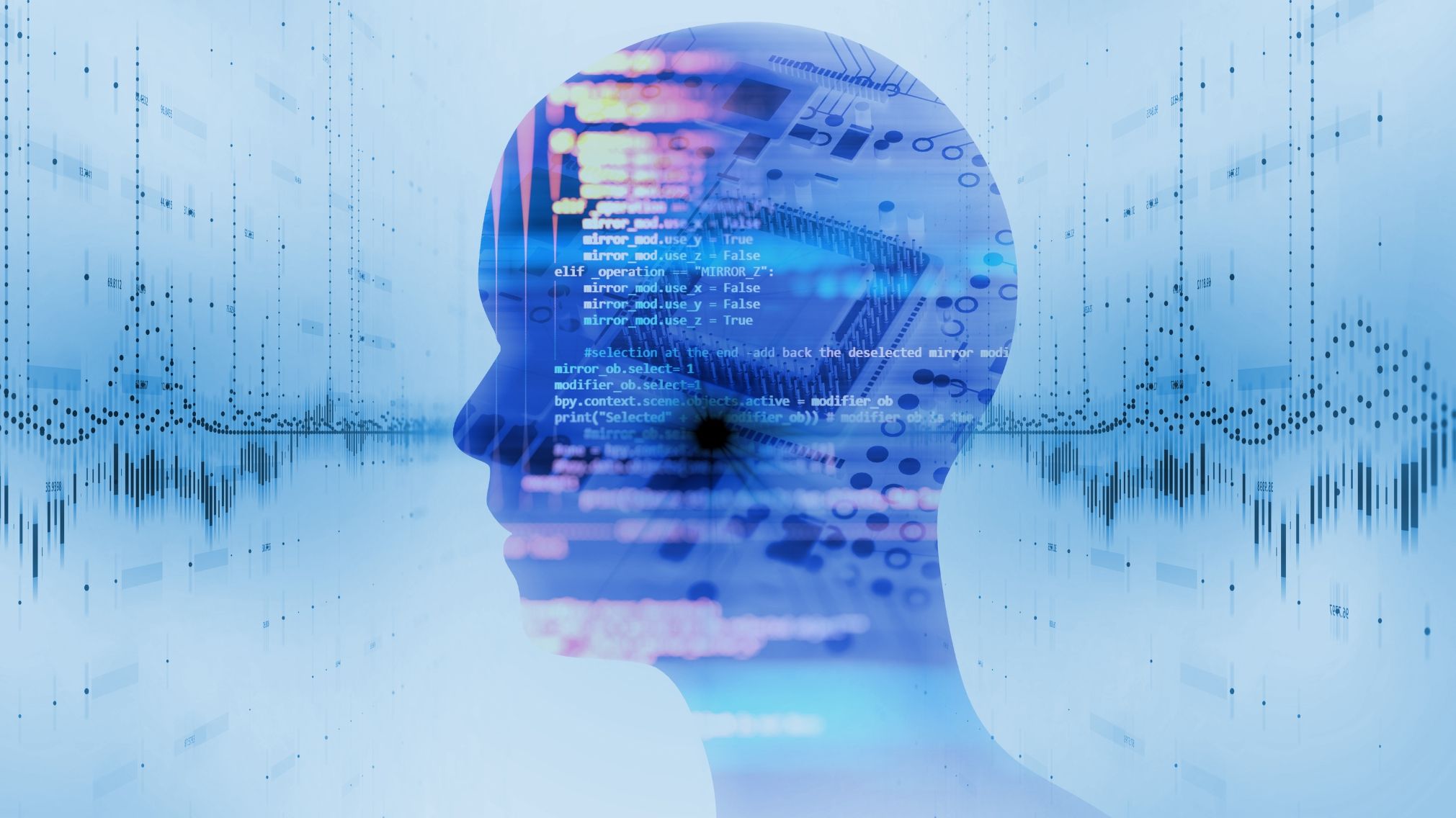
Software development is accelerating with AI, putting greater pressure on agencies to test and validate code before it reaches production. Image: Canva
Artificial intelligence (AI) has made it easier for public officers to write code in a much shorter span of time.
However, Tricentis’ 2026 Quality Transformation Report found that 60 per cent of Singapore respondents admitted to releasing untested code to production.
It highlights the challenge organisations – both public and private – face as AI accelerates software development.
This figure captures the core tension that government digital transformation faces today, as agencies adopt AI-driven code development faster than they are scaling the testing capacity needed to validate it before production.
"The question is no longer whether agencies are going to adopt AI. The question is how they adopt it safely and productionise it," says Tricentis’ Senior Vice President for Asia Pacific, Damien Wong.
He discusses the need for continuous, automated testing to validate changes faster, and ultimately, upkeep trust in public services as they modernise.
A different risk profile
Public sector systems present a different risk profile from most commercial software, notes Wong.
Mission-critical, citizen-facing services tend to run on a mix of legacy and modern systems, under regulatory constraints that add further complexity.
Government digital systems are also more interconnected, so one untested change can cascade across multiple citizen-facing platforms, he warns.
He compares digital government services to electricity: something that citizens take for granted until it fails.
"When you have a blackout, that's when everybody looks at it and says, what happened, how did that happen," says Wong.
“We need to be aware that, with what is happening with AI-driven software development and engineering, the likelihood of a ‘blackout’ is going to increase because of all the interconnectedness that we see amongst digital government systems.”
A potential breakdown of services or “blackout” could be detrimental to agencies and result in a loss of citizen trust.
Tricentis’ 2026 Quality Transformation Report revealed nearly 64 per cent of all organisations in Singapore estimate that poor software quality costs them between US$500,000 to US$5 million (S$641,325 to S$6.41 million) annually through outages, delays, and operational disruption.
Testing at the end isn’t enough
That is why the traditional model of building, testing, and releasing, does not hold up well against AI-generated code moving through short release cycles, said Wong.
“It's not just about looking at one component in isolation but thinking about how each component touches different systems along a business process. We have to ensure end-to-end testing becomes standard practice, so this requires us to take a different approach.”
"It should be continuous throughout software development rather than only before release.”
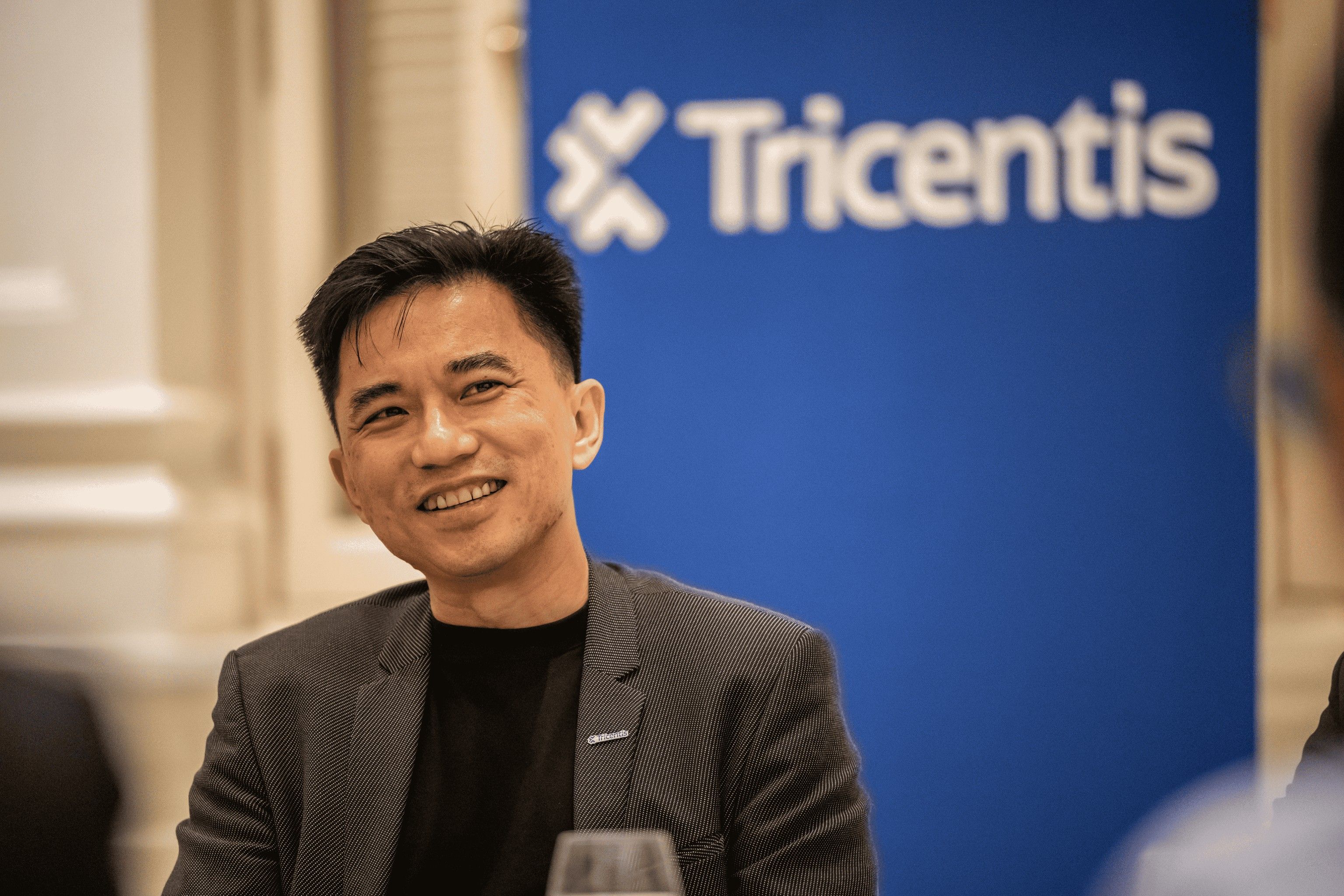
In the same way that a driver checks fuel, speed and navigation throughout a journey and not just before starting the car, explains Wong.
In an order-to-fulfilment process, testing one component in isolation doesn't confirm that the service works end-to-end.
“Say you ordered an orange, and then you get a strawberry delivered to you. Even though they charge you the right amount, and you know it's shipped to your home, you didn't get what you wanted.”
"The process is only correct if every system it touches handles the transaction the way it's supposed to,” Wong notes.
This testing must also adapt to changes and hold up over time, he adds.
Since business processes change alongside regulations, policies, and operating conditions, automated and self-adjusting test frameworks can play a key role in ensuring quality as technologies and business processes evolve, Wong shares.
Tricentis’ self-healing test automation, for instance, automatically adapts test assets and detect application changes as underlying systems and workflows evolve, rather than requiring manual rework every time something changes.
“This way you’re able to drive this view of a continuous testing philosophy, ensuring that it works within business processes, and also assuming that business processes do change and evolve over time because of market conditions, regulations, laws, and so on and so forth.”
This is a leadership issue, not just an IT metric
“When a citizen uses a government application, they are not evaluating a specific software. They are evaluating how a government is performing,” says Wong.
This means that when a service fails, it becomes a public trust issue, not a bug ticket, which helps to reframe quality assurance as more than a technical checkpoint: it is a factor in how much trust citizens place in digital public services, explains Wong.
"Making this connection has helped agency leaders understand the importance and impact of quality engineering decisions on operational outcomes and confidence in terms of quality,” he says.
Since AI will only continue to advance, and the productivity gains accelerate, agencies committed to sustainable and reliable digital transformation will have to scale capabilities to keep pace with it.
“AI-powered software development will require AI-powered software quality engineering,” says Wong, adding that speed and quality don’t have to be a trade-off as long as validation scales at the same pace as code generation.