
Building the foundations for dignified refugee aid through digital disbursements
By Visa
Research insights from Visa Government Solutions highlight the advantages of card-based disbursements in providing aid to refugees and the crucial role of host countries in establishing effective partnerships.
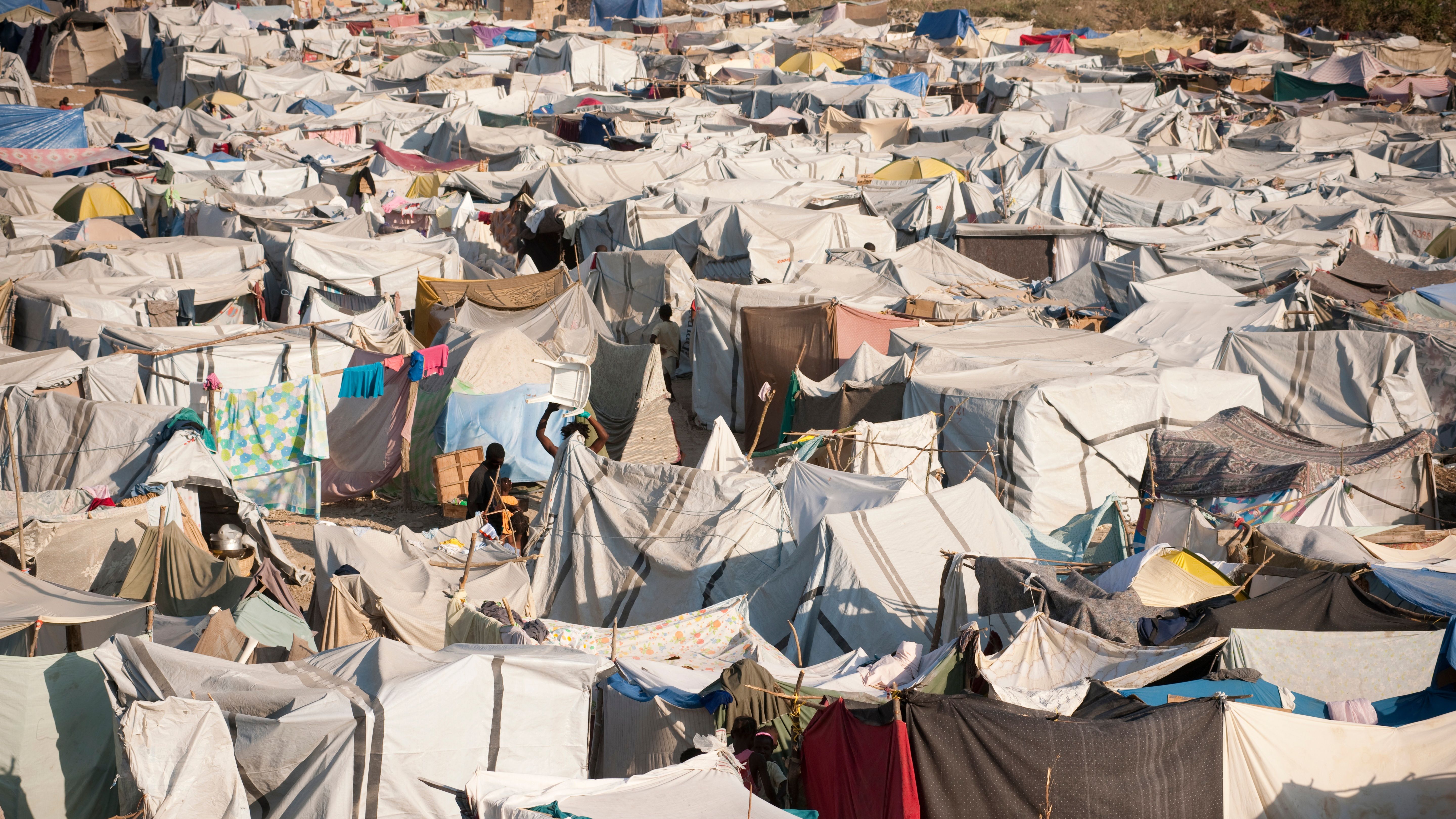
Building inclusive and adaptable digital payment systems can support countries in time of crisis. Image: Canva
In times of humanitarian crises, digital technologies offer a new avenue to tackle the complexity of delivering not only crucial services but also dignity to refugee populations.
According to the United Nations High Commissioner for Refugees (UNHCR), over 123.2 million people were forcibly displaced by the end of 2024, with nearly 42.7 million of them being refugees.
Local authorities hosting refugee populations face significant challenges in humanitarian assistance, ranging from resource allocation and administration to safety and support delivery.
A recent research paper by Visa highlights how robust and inclusive digital payment systems can support governments in these dire circumstances by effectively delivering financial support and promoting social impact.
To subscribe to the GovInsider bulletin, click here.
Modes of humanitarian aid
Governments presently employ a range of channels to provide aid in humanitarian situations.
As the needs of a mission heavily depend on its circumstance, the best strategy includes a variety of options to suit the localised context. It is essential to understand the perks and pitfalls of the different aid modes commonly used.
In-kind distribution of tangible goods such as food, water and medicine is often the most accessible mode of meeting refugees’ basic needs during the onset of an emergency, but it faces logistical challenges and costs.
Methods like physical vouchers, which can be exchanged at designated marketplaces for goods or services, ensure that vulnerable people, such as the elderly and disabled, are not left behind.
However, vouchers present security risks and operational oversight issues if vendors do not accept them or exploit the population. The same risks are present in cash distributions, albeit with the benefits of being a flexible, portable, and easily understood method of aid.
Building inclusion into existing systems
In countries with well-developed card-based retail payment systems, aid disbursements through prepaid or debit cards present a sensible network to leverage.
Prepaid and debit cards offer the advantages of quick implementation, visibility and configurability to local authorities, security, and inclusivity for marginalised groups.
However, the benefits of deploying existing payment systems in times of crisis can only be achieved when governments and supporting partners like non-governmental organisations (NGOs) build the necessary mechanisms into their pipelines to respond when the moment comes.
This includes systems that can be onboarded and configured quickly to be highly responsive and adaptable to the disbursement needs that crises require.
Underpinning the case for digital disbursements, Visa’s research insights highlight the principles of people-centred approaches, long-term sustainability, equity and most importantly – well-integrated partnerships with local communities, payment vendors, government authorities and refugee groups.
This is the first of two articles on Visa Government Solutions’ refugee aid research insights. You can read the full research paper here.