
Cipto Mangunkusumo Hospital at the forefront of Indonesia’s healthcare transformation
By Cindy Peh
Indonesia’s largest public hospital is embracing technology to operate more efficiently, and deliver better patient outcomes and experiences, says its President Director, Dr Supriyanto Dharmoredjo.
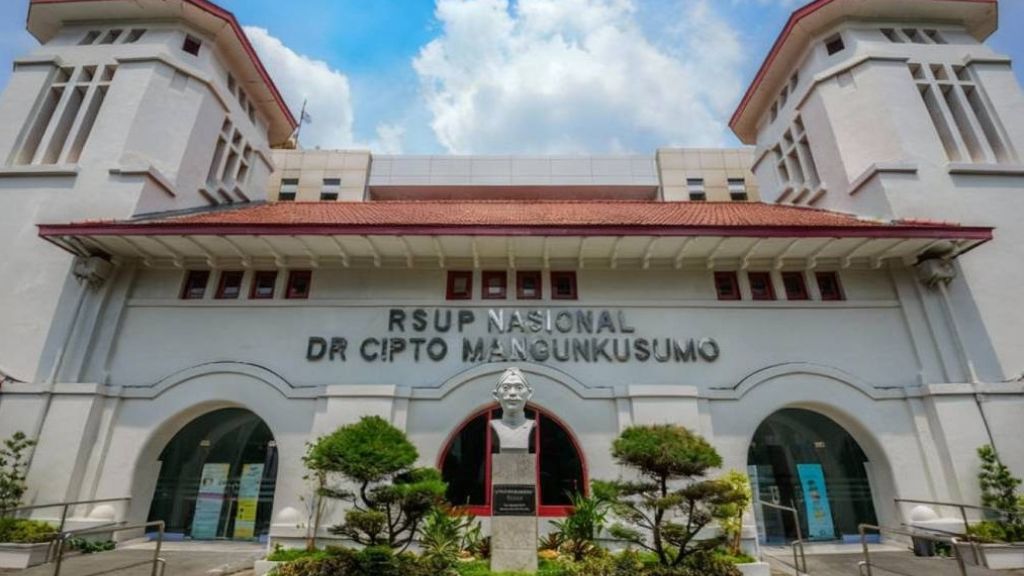
Indonesia’s largest and oldest public hospital is actively leveraging data and technology to optimise operations. Image: RSCM
What does it take to run one of Indonesia’s busiest hospitals like clockwork?
For Dr Cipto Mangunkusumo Hospital (Rumah Sakit Umum Pusat Dr Cipto Mangunkusumo/RSCM), Indonesia’s largest public hospital, the answer lies in innovation, data, and technology.
Currently, it is leveraging artificial intelligence (AI), robotics, and integrated healthcare services to improve operational efficiency, while extending access to care beyond the hospital’s walls.
RSCM’s President Director, Dr Supriyanto Dharmoredjo, says that technology is indispensable in fulfilling the hospital’s multiple missions.
“My goal is for our hospital to embrace technologies that enable us to operate more effectively, and deliver better outcomes and experiences for our patients,” he says.
The hospital was one of the first healthcare facilities in Indonesia to pioneer the use of electronic medical records.
Over the years, it has expanded its digital ecosystem to include a Hospital Information System, Lab Information System, and the RSCMKu patient app, managed by a 70-strong IT team.
Each day, RSCM manages around 5,000 outpatient visits and an average inpatient load of 1,023, translating to an occupancy rate of above 80 per cent across its 1,250 beds.
The hospital is widely recognised as the national referral hub for complex cases requiring subspecialty expertise.
It is also a leading teaching hospital affiliated with the Faculty of Medicine of University of Indonesia, playing a key role in advancing medical innovation and research.
Leveraging AI and robotics
AI has been introduced in both clinical and operational activities.
Examples include an integrated AI tool which suggests possible diagnoses based on patient symptoms, and another that reviews lab results and flags abnormalities.
AI now automates submissions of claims to BPJS Kesehatan, the national health insurance scheme, significantly reducing administrative workload.
Besides AI, the hospital has also begun adopting robotics.
Robotic surgical systems are now available in selected specialties such as orthopaedics and urology.
Besides the operating theatre, robots could soon be deployed in the hospital corridors to transport medications between the pharmacy and wards.
Tackling challenges in digital transformation
Implementing technology in a hospital as large and complex as RSCM presents unique challenges, Dr Dharmoredjo notes.
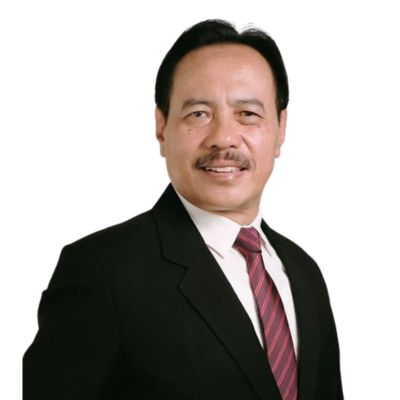
For one, engaging the hospital’s 600 doctors – comprising approximately 500 specialists and 100 general practitioners – is a resource-intensive process.
Leadership held separate engagement sessions with each specialty group to introduce new tools, address concerns, and build adoption confidence.
There are also gaps in digital literacy skills amongst staff. Frequent training sessions and workshops are needed to equip staff with skills and knowledge of fast-evolving technologies.
Regulatory complexity is a common barrier to healthcare innovation.
Thankfully, Indonesia’s Ministry of Health has shown strong support for the development and testing of promising technologies, with a regulatory sandbox launched to accelerate testing and development of new ideas.
Recent initiatives include a Healthcare AI Hackathon, where RSCM clinicians serve as jury and mentors.
In March 2026, the ministry released a digital health innovation toolkit, offering practical guidance for designing digital health initiatives aligned with governance, value, and safety requirements.
Vision for a ‘hospital without walls’
Dr Dharmoredjo’s long-term vision is to build a ‘hospital without walls’ – where care extends beyond the hospital’s physical grounds into the community, and beyond the patient’s time at the hospital to cover pre-admission and post-discharge care.
He first introduced this concept at Dr Iskak Tulungagung Regional Hospital (DITRH), East Java, in 2014, establishing the Public Safety Center (PSC) 119 as an integrated clinical coordination centre.
The platform connects hospitals, community health centres, ambulances, fire departments, police, the Indonesian Red Cross, and volunteers for quick triage and medical attention.
In the case of an emergency, patients can activate the pre-installed PSC Tulungagung Emergency Button on their phones.
Operators will immediately call back to determine what assistance is needed and pinpoint the patient’s location with GPS if needed.
For critical cases located far from a hospital, PSC 119 helps contact the nearest provider, whether a clinic or community health centre, for timely assistance.
This model received Gold in the Corporate Social Responsibility category at the 2019 International Hospital Federation Congress.
“With this model, we start pre-triage before patients reach the hospital – so the critical cases receive medical attention as soon as possible, while stable cases can be managed via telemedicine at home.
This improves access, efficiency, and quality of care,” says Dr Dharmoredjo.
He is now replicating the concept at RSCM, starting with around 50 clinically stable patients receiving care at home.
“As Indonesia’s leading public tertiary hospital, RSCM is facing rising patient volumes. We need innovative ideas and technologies to ensure we continue serving our patients effectively.”
The article was originally published in Hospital Management Asia here, and edited.
----------------------------------
Cindy Peh is the Content and Community Manager at Hospital Management Asia, which showcases trends and best practices in healthcare management via in-person and digital events, as well as an online publication.