
Digital inclusion should be felt in daily life, not just measured in access, says Indonesia's BAKTI Komdigi
By Yuniar A.
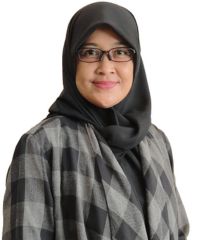
Digital transformation only succeeds when connectivity expands access to education, healthcare, and economic opportunities for communities that have long been left behind, says the Ministry of Communication and Digital Affairs' Telecommunication and Information Accessibility Agency's President Director Fadhilah Mathar.
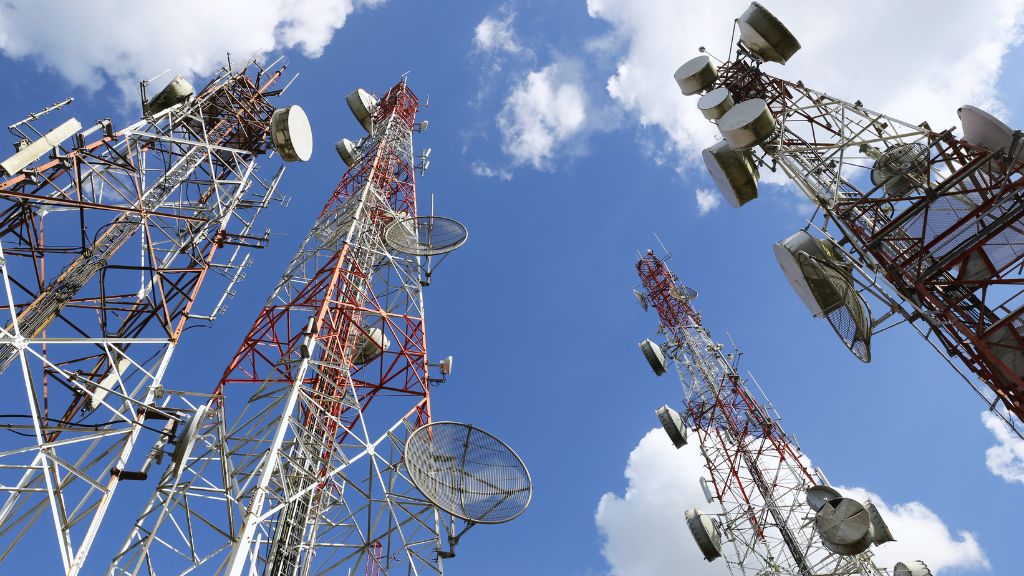
BAKTI Komdigi, Indonesia’s Telecommunications and Information Accessibility Agency, is working to ensure digital connectivity transforms lives and creates more equal opportunities for communities across the country. Image: Canva.
Over the past decade, Indonesia has been expanding digital connectivity to its frontier, outermost and disadvantaged (3T) regions.
For the Ministry of Communication and Digital Affairs' Telecommunication and Information Accessibility Agency (BAKTI Komdigi), the success of digital transformation is not measured by the number of base transceiver stations (BTS) or internet access points built.
What matters more is how connectivity improves the quality of people's lives and creates more equal opportunities for all Indonesians.
"What we build is not just telecommunications infrastructure, but equal opportunities for all Indonesians to grow, compete, and become an integral part of the country's digital transformation," BAKTI Komdigi's President Director Fadhilah Mathar tells GovInsider.
Playing a key role in enabling the Ministry’s 2025-2029 Strategic Plan, BAKTI Komdigi is the custodian for the Universal Service Obligation (USO) scheme, which funds telecommunications and internet infrastructure in the country's most remote communities.
"Connectivity must increase productivity, expand access to essential services, and create economic opportunities that were previously out of reach," says Mathar.
Adopting a localised approach to digital inclusion
As the world's largest archipelagic nation, Indonesia faces geographical challenges unlike those of many other countries.
Thousands of islands, mountainous terrain, border areas and regions with limited logistics make the deployment and maintenance of telecommunications infrastructure significantly more complex.
To address these challenges, BAKTI adopts approaches tailored to the characteristics of each location.
Depending on local geographical conditions, the agency combines fibre-optic networks, microwave links, with satellite technology.
This approach is supported through collaboration with local governments, ministries and agencies, telecommunications operators, communities, businesses, and other development partners.
Over the past decade, BAKTI has developed a wide range of digital infrastructure, including around 6,700 4G BTS sites across Indonesia and approximately 28,000 internet access points in 3T regions.
The agency also delivers the 12,000-kilometre Palapa Ring national fibre backbone network and operates the SATRIA-1 satellite, which provides a total capacity of 150 Gbps.
Even so, Mathar believes the success of digital infrastructure cannot be measured by the numbers alone.
"When communities gain better access to education, healthcare, public services, and new opportunities for MSMEs and local economies, that is when connectivity begins to create real impact," she says.
Another indicator of success comes when areas that once depend on government intervention begin attracting commercial telecommunications operators to invest and build their own networks.
"It means government intervention succeeds in paving the way for investment and enabling these regions to grow independently," she adds.
When the internet changes the way a mother learns
What Mathar remembers most from her time leading BAKTI isn’t the building of digital infrastructure, but the moment that connectivity begins to change people's behaviour.
She recalls the story of a mother in a remote community who recently gained digital skills through internet access provided in a local school.
With her limited educational background, the mother was previously worried when her children sought help with their homework.
When internet access was available in the local school, she arrived early before collecting her children and used the time to learn online so she could help her children study at home.
The story illustrates that digital access is more than providing an internet connection. It creates new opportunities for people to build their skills, broaden their knowledge, and create a better future for their families, she says.
Ensuring internet access delivers meaningful impact
According to Mathar, once internet access is available, the next priority is strengthening people's capabilities and ensuring that technology is used productively.
"Our next focus is improving education, strengthening healthcare services, enhancing the capabilities of MSMEs, agriculture and fisheries, and improving public services."
To achieve this, BAKTI continues strengthening partnerships to improve digital literacy, digital skills and the productive use of technology across Indonesia's 3T regions.
GovInsider previously reported on BAKTI's collaboration with the West Halmahera Regency Government through the "Halbar Berdering" (West Halmahera Ringing) programme, a local initiative that expands internet access to strengthen residents' digital capabilities.
BAKTI also worked with the Morotai Island Regency Government to improve access to education, healthcare, and digital government services.
Looking ahead, she hopes that within the next five to ten years, Indonesia's 3T regions will no longer be defined by their limitations, but by the opportunities they unlock.
She envisions more productive communities, stronger local economies, higher-quality public services, and more telecommunications operators expanding commercial networks after the foundations built by BAKTI are in place.
"We want BAKTI to be remembered not only as an institution that builds telecommunications infrastructure, but as one that creates opportunities, nurtures a digital ecosystem, and ensures that no Indonesian is left behind," Mathar concludes.