
Global govtech classroom: Japan leverages communities to future-proof digital government
Japan Digital Agency’s Chikako Masuda believes that community building can help to tackle “design allergy” among traditional bureaucrats, leading to a more inclusive digital policy.
-1760345199419.jpg)
Japan Digital Agency has prioritised service design in its community building efforts. Image: Canva
The setup of Japan Digital Agency already challenges the traditions of the Japanese government culture.
Civil servants in Japan need to pass a rigorous national examination to be hired, but the Digital Agency has become the first government agency that hires directly from the private sector.
Speaking to GovInsider, the agency’s Head of Intelligence Research and Design Community Manager, Chikako Masuda, admits that, initially, there have been many arguments between the traditional bureaucrats and private sector technologists at the agency.
Four years on, the two groups have become “buddies” at the Digital Agency, and she anticipates this cross-functional collaboration will become a routine within government in the next two to three years.
Treating the "design allergy” among traditional bureaucrats
The agency has prioritised service design in its collaboration, recognising it as the foundation for a successful digital policy.
Masuda highlights that there is a “design allergy” in the government, and the agency’s mission is to tackle a cultural challenge: That is to ensure civil servants adopt a user-centric mindset, where they design government services based on the needs and experiences of citizens, rather than the bureaucrat's internal logic.
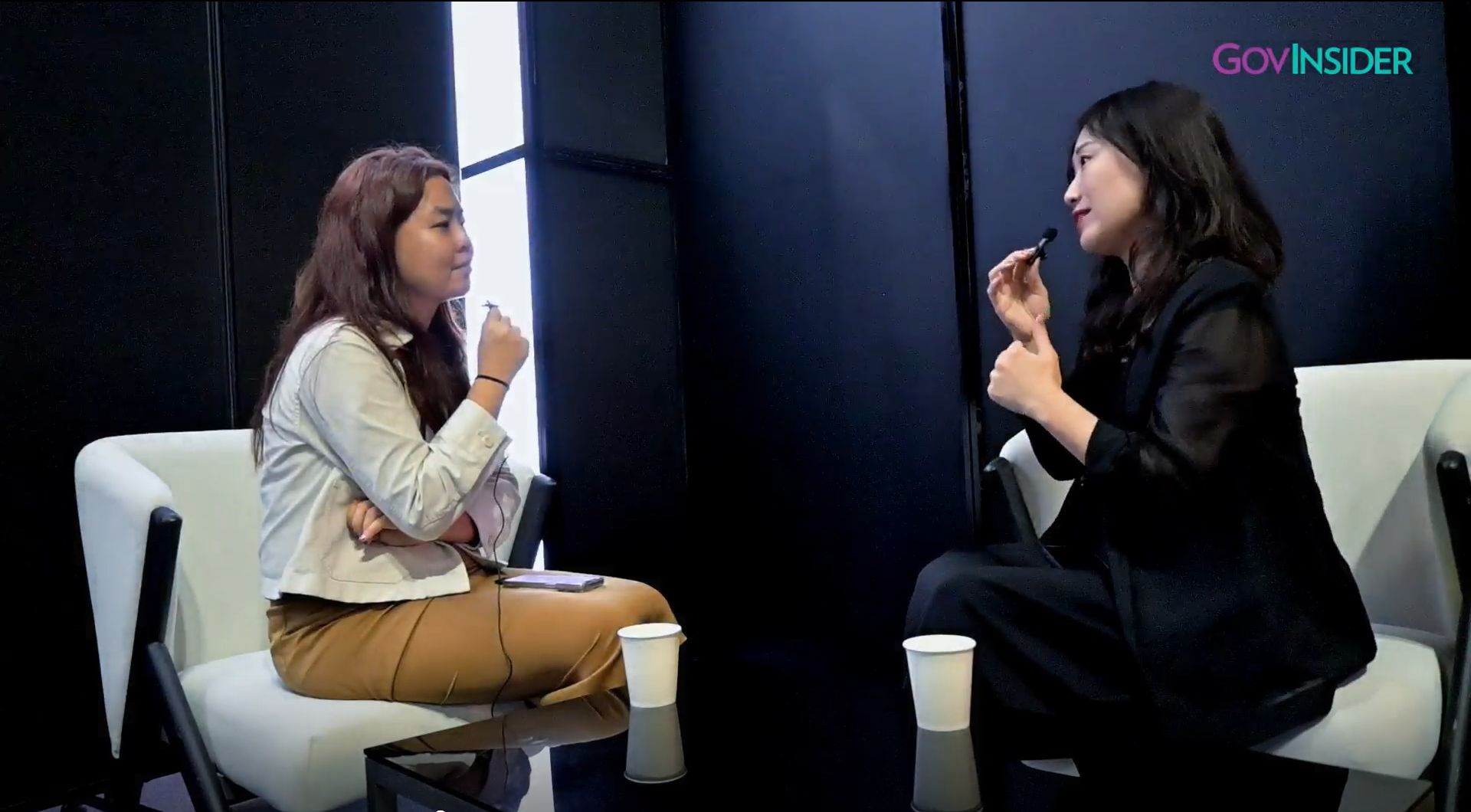
The agency runs two service design workshops, that almost 1,000 Japanese civil servants attend every year.
Despite Masuda holding dual roles in high-level intelligence research and in designing community building, she notes that the two functions, while they seem separate, are fundamentally integrated.
The user insights gathered from the service design flow can help inform the creation of the policy itself.
By focusing on user needs, the government creates services that are effective, user-friendly, and citizen-centric, which in turn builds public confidence in the policymaking process, she says.
At an earlier event co-hosted by GovInsider, the Digital Agency shared how forming cross-functional teams around problems, rather than departmental structures, have made it easier to test, develop and scale products.
To subscribe to the GovInsider bulletin, click here.
Service design begets open communication
Local administrators generally have a closer understanding of citizens' needs than the central government.
Governing Japan's 47 prefectures and over 1,700 municipalities, each with unique challenges, is no easy feat.
To effectively understand user needs across this diverse landscape, the digital agency is using a Slack channel known as “Co-Creation Platform” to connect directly with local governments.
Currently, over 10,000 civil servants across the country are on the platform.
Slack community is an online discussion forum that allows organisers to set up conversations for specific groups.
This direct, informal connection bypasses the hierarchy, as the agency is learning firsthand how to make digital solutions easier for local governments to adopt and target the local resident’s needs, she says.
To build transparency through a data-driven view, the agency has also developed a data dashboard that shows the levels of digitalisation progress among different ministries.
In addition to bridging internal gaps, the agency is also proactively seeking collaboration with the younger generation to design future policies.
“Japan is an ageing society with a declining birth rate, so the government has a very strong focus on elder care. The younger generation is feeling they’re left behind in the government agenda,” says Masuda.
Recently in August, the agency hosted a meeting between four university students and Parliamentary Vice Minister for Digital Transformation, Kishi, where they discussed the students’ findings, proposals, and reflections on Japan’s current digital policy.
Engaging in futures thinking involving younger citizens allows the government to incorporate their perspectives on key issues like education and childcare, she adds, ensuring that policies remain relevant and sustainable.
Collaborating on govtech across borders
Masuda is not only building communities within Japan, but across borders.
At GovInsider’s Festival of Innovation this year, Masuda connected with Republic of Singapore Air Force (RSAF)’s Chief Data Officer Tay Gek Peng, where the latter subsequently became a mentor for Japan Digital Agency’s team.
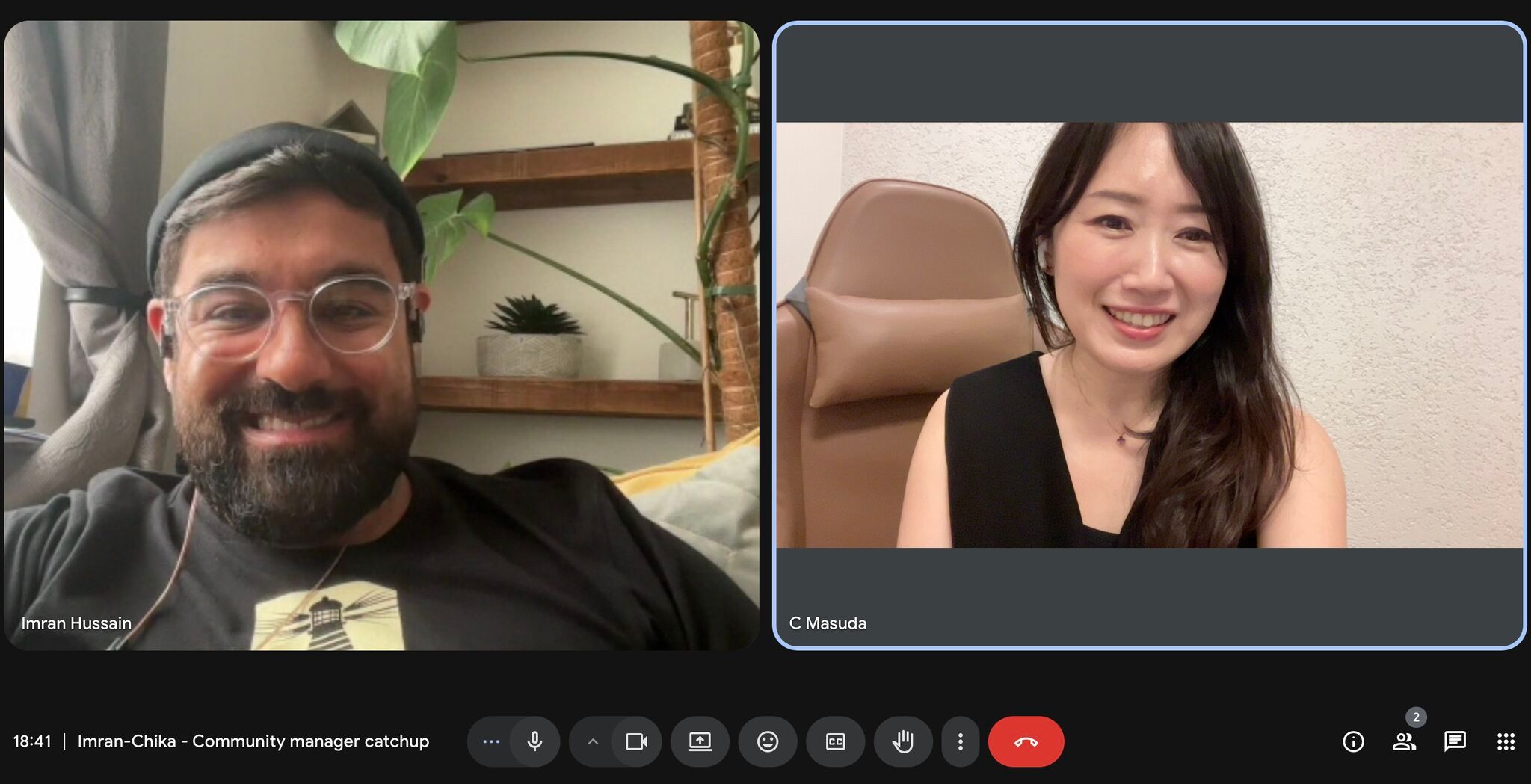
She is also in conversations with Taiwan’s Cyber Ambassador and former Digital Minister, Audrey Tang; UK Government Digital Service (GDS)’s Community Designer of the GOV.UK Design System, Imran Hussein, among others.
Currently, the agency’s collaboration with overseas agencies is structured as a monthly session between relevant working groups to share best practices, discuss current issues and pain points, as well as to brainstorm the next steps for collaboration.
Typically, govtech collaboration between agencies from different countries involves meeting once or twice, then stopping. Masuda says the key to sustained collaboration is maintaining regular, ongoing dialogues.
This can move collaboration beyond discussion to hands-on, joint product development, like a hackathon, she adds.
“It’s crucial we learn not just from other nations’ successes, but even more so from their failures,” she says.
Through open dialogue, the agency gets a better understanding of the challenges and solutions faced in other countries, which streamlines decision making and ensures they select the most effective approach quickly.
While Japan and Singapore share a similar cautious but forward-looking outlook when it comes to policymaking, Masuda believes that Japan needs to be faster, bolder and more flexible in its technological approach.
Moving forward, the three C-s of collaboration, creativity and courage will be very important for Japan.
For her, the agency's success over the next two to three years will be marked by the disappearance of her specialised role as the community builder.
“Everyone will be engaging in these functions [like service design and collaboration] naturally in their daily work,” she says.
To achieve this transformation, she stresses that the government must champion the three Cs of collaboration, creativity, and courage.
To read our past coverage of Japan Digital Agency, click here.