
How electronic IDs protect the rights of Indonesian seafarers on high seas
Indonesia’s Ministry of Transportation is pushing for stronger protection and international recognition of its seafarers through the issuance of electronic seafarers’ identity documents (e-SID) card.
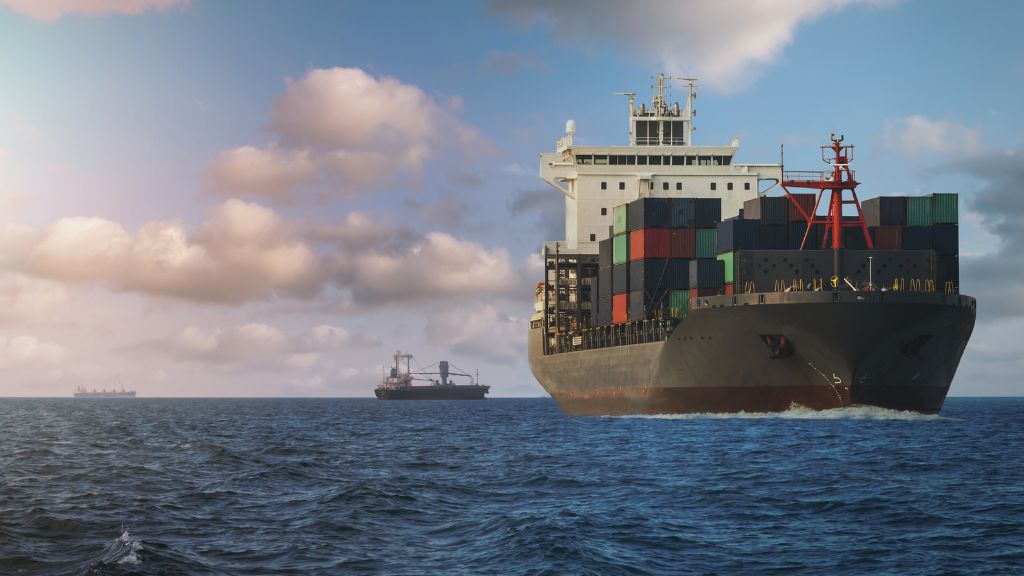
Indonesia’s Ministry of Transportation has issued an electronic seafarer identity document (e-SID) to protect the rights of seafarers in international waters. Image: Canva
As a maritime country, Indonesia is the world’s third-largest supplier of maritime labour, after the Philippines and Russia.
As of 2023, there are more than 143,000 Indonesian seafarers, and many of them work across borders and face risks abroad.
To better govern, recognise, and protect the rights of Indonesian seafarers working internationally, the Ministry of Transportation has issued the electronic seafarers’ identity document (e-SID) card.
Speaking to GovInsider, Ministry of Transport’s Director of Shipping and Seafaring, Samsuddin, explains that e-SID acts as a national ID card for seafarers.
However, he stresses its greater significance: “e-SID is not just a card. It is a symbol of modernisation and recognition that ensures seafarers are registered, protected, and recognised internationally.”
The card is equipped with a chip that stores the seafarer’s identity details, biometric data, and their professional record. Every seafarer is required to have one, and registration can be done online through the ministry’s website.
Samsuddin shares how his ministry ensures seafarers’ identities are authenticated, and their rights are protected and recognised globally.
The importance of international identification
The issuance of international seafarers’ identity documents is a direct response to global security concerns.
According to Samsuddin, the 9/11 attacks in the United States fundamentally changed the world’s views of security, which extended to the maritime sector.
In 2003, the International Labour Organisation (ILO) updated its conventions to create a better system for internationally recognising seafarers’ identity documents. The goal was to make it easier for seafarers to access ports and simplify the identification process.
“e-SID was aimed at ensuring that our seafarers – including captains, crew members, and even cooks – are truly professional workers carrying out their duties at sea, not misinterpreted as threats,” he says.
Previously, many Indonesian seafarers worked internationally unregistered by the government, leaving them difficult to trace or protect when security incidents occurred.
“With e-SID, all seafarers are automatically registered. Their identity is secure, their career can be tracked, and they are protected when sailing in international waters,” he adds.
To subscribe to the GovInsider bulletin, click here.
Enriching seafarers’ ID with biometric data
The e-SID is a significant upgrade from the legacy system's physical cards.
The new document contains a chip storing biometric and professional data, and is readable by immigration systems worldwide, aligning with ILO standards.
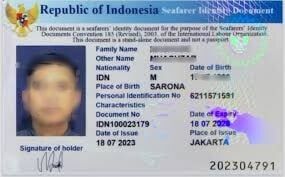
“In destination countries, e-SID allows seafarers to go ashore directly without applying for additional permits. Just like pilots with their special IDs, seafarers now have official recognition,” says Samsuddin.
This is a major improvement, as seafarers previously wasted time obtaining temporary documents from local authorities. The e-SID now eliminates this bureaucratic process.
For the government, the e-SID also simplifies governance and supervision. Thanks to online services, the government can offer flexible services to seafarers, whose working environment is significantly different from land-based workers, he adds.
While registration is primarily online, applicants must still submit biometric data such as fingerprints and facial photos in person at service offices. This crucial step ensures authenticity, security, and prevents duplication.
The Indonesian government currently operates five main service hubs where most Indonesian seafarers are based: Jakarta, Surabaya, Makassar, Bali, and Singapore through the transportation attaché office.
“We want to bring services as close as possible to users,” says Samsuddin, adding that the service branches will later expand to Malaysia and Indonesian embassies worldwide.
So far, about 30 per cent of Indonesian seafarers already have e-SID, most of whom work on foreign vessels.
Challenges ahead
Samsuddin highlights several technical challenges in developing this service, including the supply of electronic chips, which must still be sourced from abroad.
“With specifications similar to aviation systems, there are no local manufacturers capable of meeting the demand.
“Currently, cards are still procured from China through a tender process,” he says, expressing hope that local producers can fill the supply chain in the future.
Nevertheless, he assures that although the chips are imported, all biometric data is stored in Indonesia’s national data centre in compliance with the Personal Data Protection Law.
Another challenge is low digital literacy. Because many are unfamiliar with online systems and frequently change residence, data entry errors are common.
To address this, the government has deployed assistance teams at every registration point.
Another significant challenge to user onboarding is the lack of interoperability between various government agencies.
Samsuddin emphasises that the ministry aims to integrate e-SID with national population and immigration data.
“Our target is one data ecosystem. e-SID must be connected to the Directorate General of Population and Civil Registration (Dukcapil) and the Directorate General of Immigration, so seafarers don’t have to keep shuttling between offices to process documents.”
Digitalising seafarers’ identity is part of the Ministry of Transportation’s wider digital transformation, he says.
Various services have now gone digital, from ship registration, flag replacement, to the issuance of ship owners’ permits.
Business processes have also been digitised through electronic signatures. “With digital signatures, we no longer need to spend hours in front of stacks of documents,” he shares.