
How Maldives connects healthcare across its scattered islands
By Valeryn Liaw
“We make sure that a clinician on an island has access to the right patient information, can coordinate a referral, and consult specialists remotely where appropriate,” says Moomina Abdullah, the Deputy Director General at the Ministry of Health, Family and Welfare in the Maldives.
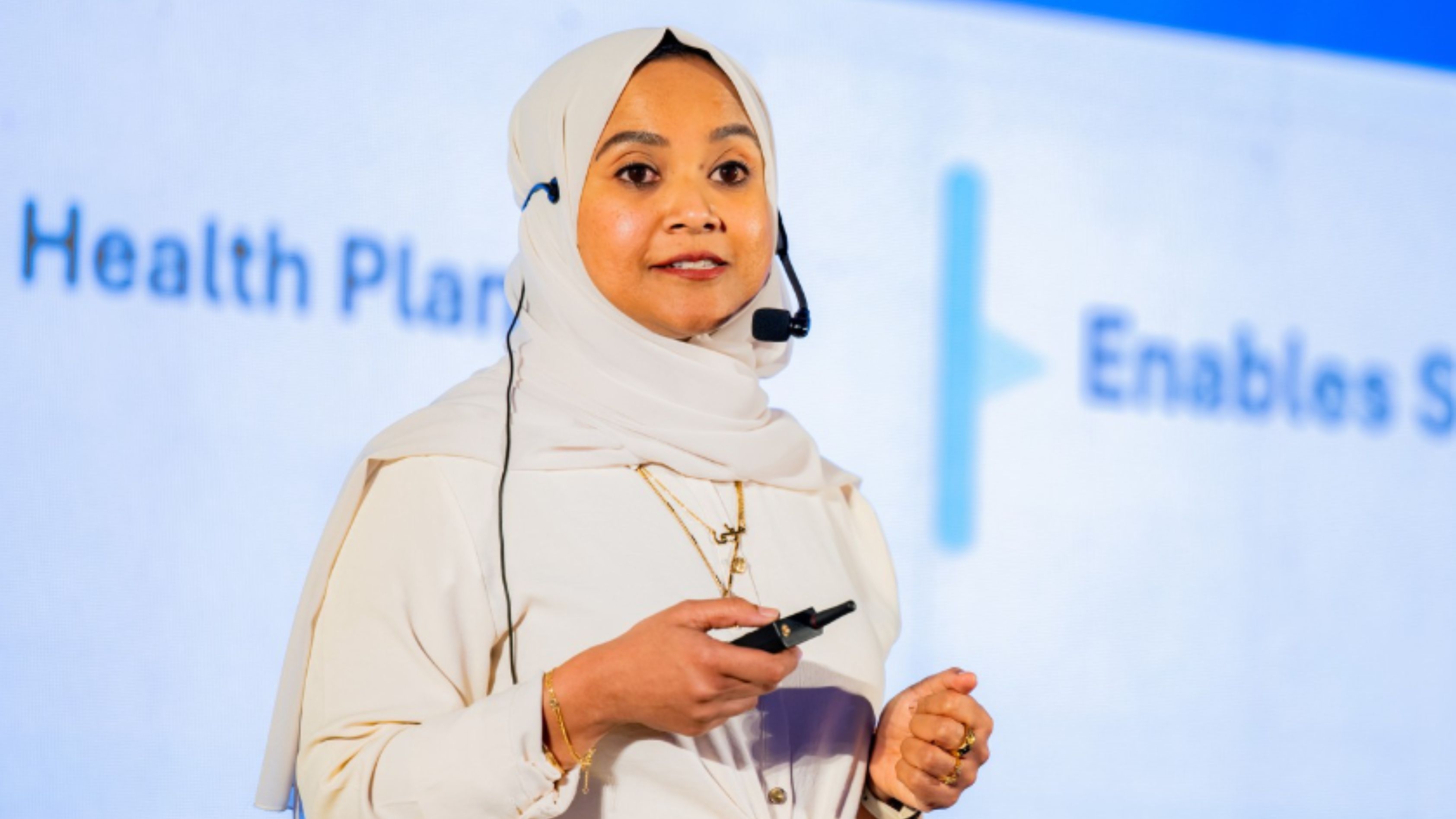
Moomina Abdullah, the Deputy Director General at the Ministry of Health, Family and Welfare in the Maldives. Image: Maldives Digital Service
For a country scattered across hundreds of inhabited islands, citizens might find it challenging to access healthcare.
“Some of the islands have less than 1,000 residents, so we will not be able to place those specialist and diagnostic capacities in every island,” says Moomina Abdullah, Deputy Director General at the Maldives’ Ministry of Health, Family and Welfare.
“But we can make sure that a clinician on an island has access to the right patient information, coordinate a referral, and consult specialists remotely where appropriate,” she explains to GovInsider.
For a patient, this means fewer journeys between islands, less time spent on repeated tests and waiting for medical records, ultimately receiving the right healthcare and saving a life.
From existing systems to a connected health system
The Maldives has spent years digitising different parts of its health system.
District Health Information Software 2 (DHIS2), an open-source platform, is currently used as a health information reporting platform, allowing the health workers to electronically capture, manage and report patient’s data in a timely manner.
The modules under DHIS2 include the Electronic Immunisation Registry, Cancer Registry, Primary Health Care and Lymphatic Filariasis Screening (a mosquito-borne tropical disease that causes
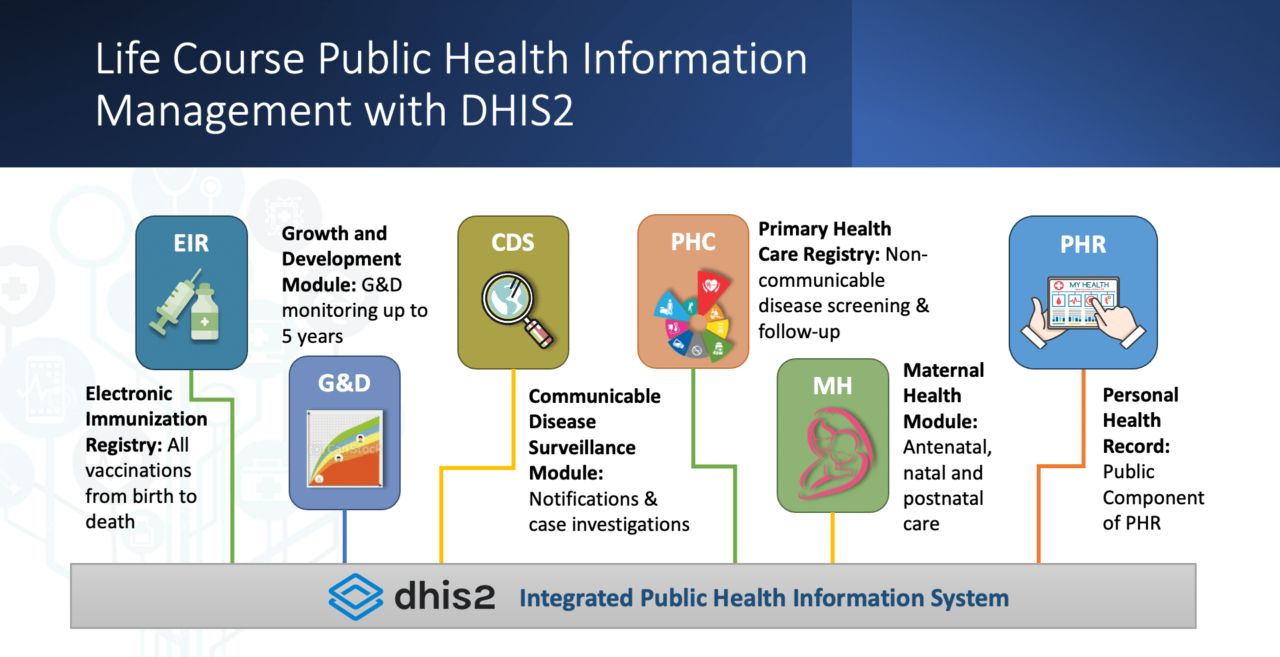
severe swelling of the limbs).
Through training, nationwide health workers learn to use and manage the software. This strengthens the national capacity for digital health and data use.
There are also existing systems, such as the birth and death registration, that supports the health data reporting.
But having systems in place doesn’t mean they could automatically work together.
“Those systems were developed at different times to address specific programmes and institutional needs, with limited interoperability between them,” Moomina says.
Fragmented patient’s data makes it difficult to obtain a complete longitudinal view of the patient's health record.
To address the challenge, the government has developed Maldives Integrated Health Information System (MIHIS), a platform built on the DHIS2 framework to strengthen health information management and reporting.
Now progressing towards MIHIS 2.0, the platform is equipped with Personal Health Record (PHR) that allows individuals to access their own health information.
Interoperability initiatives, national standards and architecture are also underway to enable secure exchange of health information across systems.
Establishing better coordination and institutional readiness
Launched in May 2025, Maldives 2.0 is the President Mohamed Muizzu’s vision for digital transformation.
One of its pillars focuses on sectoral transformation, including healthcare and education, with the Digital Health Blueprint 2026-2030 to unify existing initiatives.
“That drives the common direction for governance, standards, interoperability, and also digital identity, cyber security, and also citizen access,” Moomina says.
“The goal is to ensure health information can follow the patient rather than the patient having to follow their information.”
Beyond technical tools, implementation becomes a critical step in ensuring the effectiveness of digital transformation.
“It's not just software development, we need to upgrade that capacity as well.”
“The biggest challenge is coordination and change management. Different organisations also have different levels of digital maturity and legacy systems that cannot simply be replaced overnight,” she adds.
Under the Maldives 2.0 initiative, the government bodies work with the Civil Service Commission to improve the civil servants’ and citizens’ digital capabilities in healthcare.
On a larger scale, the government has rolled out Digital for All, a national capacity building initiative for all citizens to build a digital-first country within the next three years.
“Technology will change, it will upgrade. Applications will change. So even the way citizens interact with the digital services will also change,” Moomina says.
“What should remain stable are the principles, the governance, and the standards.”
These include having the clarity about who to
- set the standards and terminology
- maintain the national registries
- certify the system’s interpretability
- be held accountable when the system works unintended
Ensuring sustainable effort beyond the blueprint
The Maldivian government is ensuring Maldives 2.0 works across different health systems and the islands.
The Maldives Digital Service was established in January 2026 as the primary body responsible for implementing the Maldives 2.0 Roadmap 2025-2028.
It is also developing the Maldives Data Exchange, with technical workshops focused on interoperability and cybersecurity around data sharing between government agencies.
“For me, I would not measure success by the number of applications we have launched. I would measure it by what has changed for patients, professionals and citizens,” Moonima says.
“Ultimately, the success of Maldives 2.0 will be when digital health is no longer seen as a separate technology project.
"It simply means how healthcare works, how it can be accessed for the citizens, how easy it is for the citizens, how well it is connected and how secure our patient information is and accessible across all islands.”