
How NZ Customs carves its niche in a crowded Indo-Pacific
Instead of trying to outspend or outbuild larger powers moving into the region, New Zealand is betting on being a trusted, practical, and consistent customs partner to its Southeast Asian counterparts, shares NZ Customs' First Secretary, Dana McDonald.
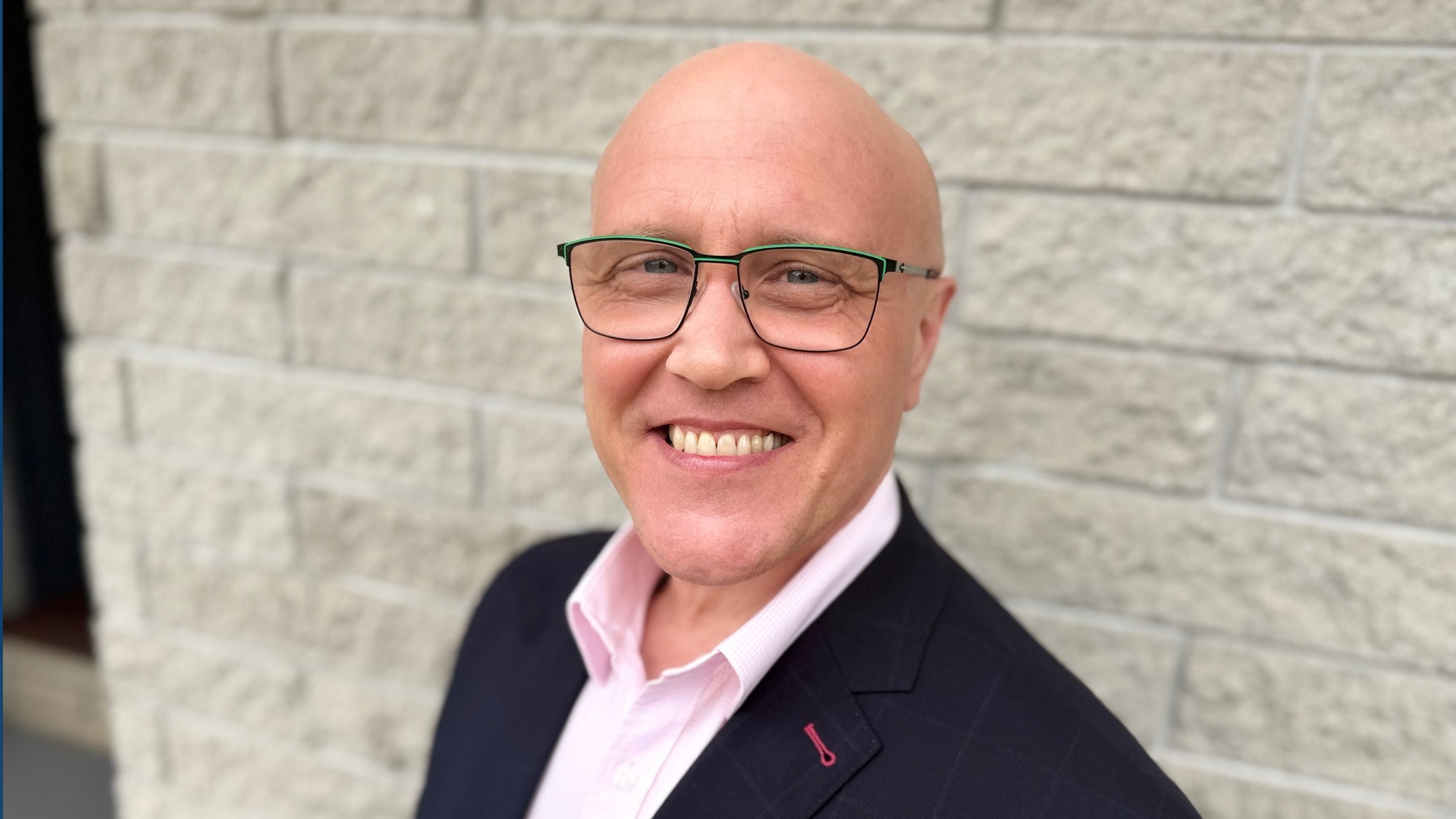
NZ Customs' First Secretary, Dana McDonald. Image: McDonald
A freight forwarder or a courier operator flags a shipment that looks wrong.
News like this rarely make headlines but behind the scenes, they have helped the New Zealand Customs to seize drugs like methamphetamine and ketamine.
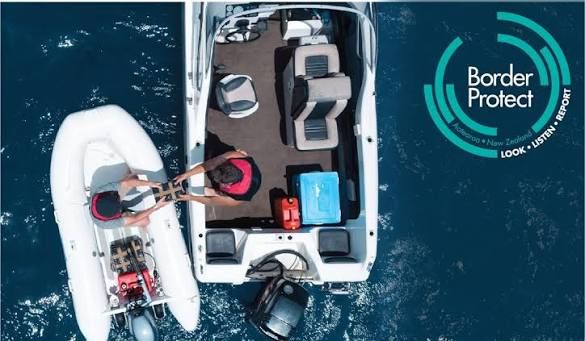
NZ Customs' First Secretary, Dana McDonald, was describing the Border Protect programme, where the customs work directly with frontline stakeholders like customs brokers, freight forwarders, logistic companies and more to help identify vulnerabilities that criminal groups exploit.
Speaking to GovInsider, he says that the programme reflects a trust-based approach that NZ brings to its international cooperation and capacity-building work with its Southeast Asian partners.
"While technology, intelligence and legal frameworks remain important, effective border management also depends on trusted relationships, information sharing, and empowering frontline partners to recognise and report suspicious activity," he says.
NZ isn't trying to outspend or outbuild the larger powers moving into the region, but is betting on something narrower and slower to build like consistency, practical cooperation, and relationships sustained over years.
As one of the thirteen customs liaison officers that NZ posts abroad, McDonald is based in Jakarta where he builds relationships with border and customs agencies across Southeast Asia to both facilitate trade and protect the border.
Trust over scale
Instead of competing on capital or infrastructure, NZ Customs leans in on areas that it has experience, including border risk management, trade facilitation, intelligence and enforcement cooperation, and capacity building.
"We also bring in a strong focus on rules-based trade, transparency, and long-term relationships," McDonald notes.
He adds that NZ also looks to its regional partners for lessons and in this regard, he sees an opportunity to collaborate on how customs and border agencies manage cross-border data and digital systems.
One challenge he has been trying to manage in his role holding onto the dual mandate has been to
optimise data sharing for both trade facilitation and enforcement.
Sharing an example of NZ's trust-based approach in practice, he explains more about Border Protect, which is an industry engagement programme built over several years by the team he once led in his previous operational role.
Instead of only relying on data submitted at the border, NZ Customs engage directly with people closest to the movement of goods to recognise a suspicious shipment and report them.
"They know what's suspicious, they know what looks right or doesn't look right, and we want to know about that stuff," he says.
Referrals from the industry have produced what he calls a "significant force multiplier effect" that data and technology alone couldn't produce.
By discussing vulnerabilities openly and sharing practical case studies, McDonald notes that the programme helped shift how the Customs approaches risk and industry partners are now more willing to flag suspicious activity and work together to close gaps.
Sharing what works, not what's right
Beyond Border Protect, McDonald highlights NZ's work at the Jakarta Centre for Law Enforcement Cooperation (JCLEC) as a second pillar of its regional approach.
Based in the Indonesian National Police Training Academy in Semarang and run in partnership with the Australian Federal Police, JCLEC hosts a range of capability-building courses for law enforcement across Southeast Asia, like counterterrorism and human trafficking.
He shares more about the NZ's contribution in a transnational serious and organised crime (TSOC) course, which is a two-week programme combining classroom instruction with scenario-based training conducted by customs, police and immigration trainers.
"The content delivered isn't so much like 'this is how you should manage your TSOC issues', but 'this is how New Zealand does it.' So, we want to learn across ASEAN, share our experience on how we did this, and get others to suggest new ways we can do it together," he says.
Oftentimes, the professional networks outlast the training course itself, he says, adding that the relationships built between public officers across borders carry on tackling the border and organised crime challenges that come after.
Operations turned diplomat's role
McDonald is almost a year in his current role as a diplomat. Before Jakarta, he spent 17 years in the NZ Police, followed by a stint at the Ministry of Business, Innovation and Employment.
"Operational experience gives a very practical lens... thinking about how does this impact our frontline officers? How does it impact traders? How does this impact travellers?" he says.
The experience also allows him to build credibility with the law enforcement and border agencies he now works with across Southeast Asia who face similar challenges in compliance, trade and enforcement.
I ask McDonald what's his definition of success is after his three-year posting.
As trust is a work-in-progress, he settles for more tangible cooperations with his Southeast Asian counterparts in areas like trade facilitation, enforcement and information sharing, as well as a better mutual understanding of each other's systems and priorities.
"Success would be New Zealand seen as that reliable, trusted partner that can contribute to those wider regional discussions and bring practical expertise," he says.
Dana McDonald is speaking at the Passenger Terminal Expo Asia (PTE Asia) event in Singapore happening from September 23 to 24.