
How Singapore’s Tan Tock Seng Hospital is redefining surgical recovery
By Cindy Peh
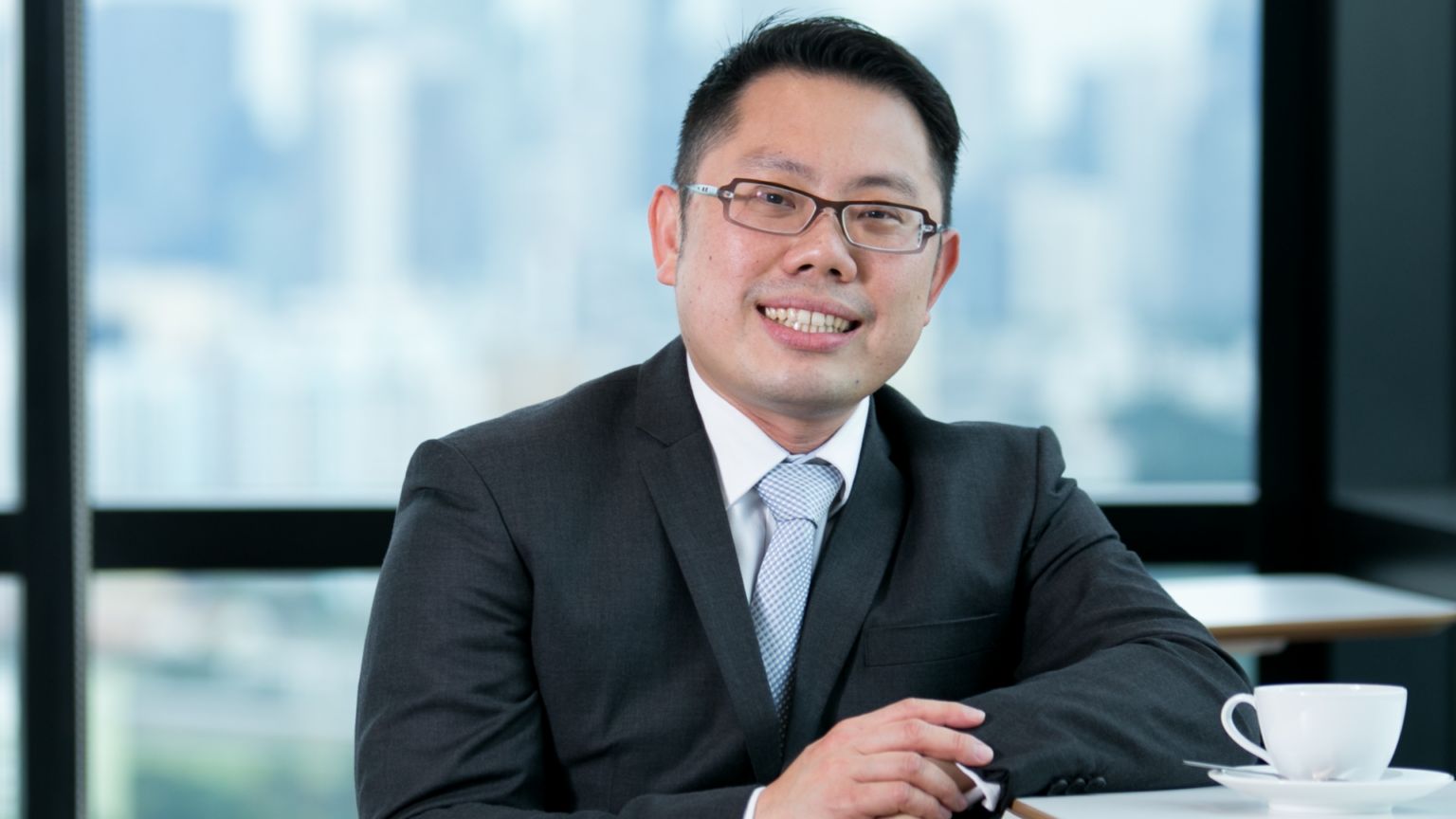
The hospital’s Enhanced Recovery After Surgery (ERAS) programme has delivered sustained improvements in reduced hospital stays, readmissions, and patient outcomes, said Senior Consultant and ERAS’ lead, Dr How Kwang Yeong.
-1789095424338.jpg)
The Enhanced Recovery After Surgery (ERAS) programme emerged from the fundamental goal to improve patient outcomes while delivering better value from healthcare resources. Image: TTSH
One year after Singapore’s Tan Tock Seng Hospital (TTSH) implemented the Enhanced Recovery After Surgery (ERAS) programme for colorectal procedures, the hospital achieved a 29 per cent reduction in patients’ length of stay and 58 per cent reduction in readmissions, while maintaining patient safety and quality of care.
Subsequent programmes for knee arthroplasty and breast surgery with reconstruction were implemented, and demonstrated similar improvements.
With accelerated recovery, patients require fewer interventions, fewer investigations, and shorter hospital stays, which reduced overall resource utilisation.
Through evidence-based care pathways before, during and after surgery, ERAS aims to reduce complications, accelerate recovery and shorten hospital stays, so patients can return more quickly to their daily lives.
ERAS emerged from the fundamental goal to improve patient outcomes while delivering better value from healthcare resources, says Dr How Kwang Yeong, ERAS lead and senior consultant from the department of general surgery at TTSH.
ERAS emphasises standardised evidence-based care, multidisciplinary teamwork as an integrated practice unit, measurement of outcomes, a hub and spoke model of spreading good practices, continuous audit supported by an enabling IT system and ongoing quality improvement —all key components of a value-driven healthcare system.
“In many ways, ERAS is value-based healthcare in action.”
TTSH’s decade-long ERAS journey
TTSH first launched its ERAS programme in 2016 for patients undergoing colorectal surgery.
A decade on, the programme has been expanded to multiple surgical specialties, including hip and knee replacement, breast reconstruction, bariatric surgery, and more.
In 2024, the hospital opened a dedicated ERAS ward, designed to encourage patients to start eating, drinking, and moving about more quickly after surgery.
For example, it comes with communal spaces for patients to interact and have meals together, ward floor decals resembling running tracks to promote movement.
TTSH has since been recognised as an ERAS Centre of Excellence for the consistently high standards of perioperative care delivered. The ERAS programme has also been scaled across the NHG Health cluster.
In May 2026, Khoo Teck Puat Hospital and Woodlands Health both achieved ERAS Society qualification, making NHG Health the first healthcare cluster in Singapore with all its hospitals ERAS-qualified.
Measurable impact
Dr How noted that ERAS has led to clear clinical impact, mirroring international research findings.
But beyond these measurable outcomes, the most enduring benefit has been the transformation of TTSH’s organisational culture, Dr How points out.
“Over the past decade, ERAS has fostered a culture of multidisciplinary collaboration, rigorous audit, continuous learning, and relentless quality improvement,” he says.
“ERAS is not simply a clinical protocol—it is a framework for building high-performing perioperative teams committed to delivering the best possible care for every patient.”
-1789095354189.jpg)
Sustaining the success
This culture is fundamental to ensuring the programme’s long-term success.
Dr How emphasises that ERAS should never be viewed as a one-off implementation project, but as a continuous improvement programme.
Many programmes achieve impressive early results but gradually lose momentum as enthusiasm wanes, leading to declining compliance and erosion of outcomes.
Sustaining results over many years is the true measure of the programme’s maturity.
This requires regular audits, reviews and efforts to continuously refine pathways to achieve even better results.
To this end, strong clinical leadership, engaged multidisciplinary teams, and sustained investment in education, training, data collection, and programme coordination, are crucial ingredients.
“Rather than a destination, ERAS is an ongoing journey. It is ultimately about building a learning healthcare system that continuously measures, adapts, and improves to deliver better outcomes and greater value for every surgical patient,” Dr How says.
Future plans for expansion
For hospitals embarking on their ERAS journey, Dr How encourages them to adopt ERAS as a complete programme, rather than implementing only selected interventions.
“True ERAS is much more than a collection of individual measures,” he adds.
“It requires systematic implementation of the evidence-based pathway, continuous monitoring of protocol compliance, and regular measurement of patient outcomes.
"Without these elements, it is difficult to know whether the programme is being delivered as intended or whether patients are receiving its full benefits.”
Looking ahead, NHG Health plans to further expand both the scale and scope of ERAS to more surgical specialties and patient groups.
The goal is to allow every eligible surgical patient to benefit from evidence-based, patient-centred perioperative care.
“This sends a strong message to our patients that NHG Health is committed to delivering the gold standard of perioperative care throughout their surgical journey,” says Dr How.
The article was originally published in Hospital Management Asia here, and edited.
-------------------------------------------
Cindy Peh is the Content and Community Manager at Hospital Management Asia, which showcases trends and best practices in healthcare management via in-person and digital events, as well as an online publication.