In UAE’s Sharjah, public utility leads the way in digitalisation
Sharjah Electricity, Water and Gas (SEWA) embraces AI to energise its digital transformation journey.
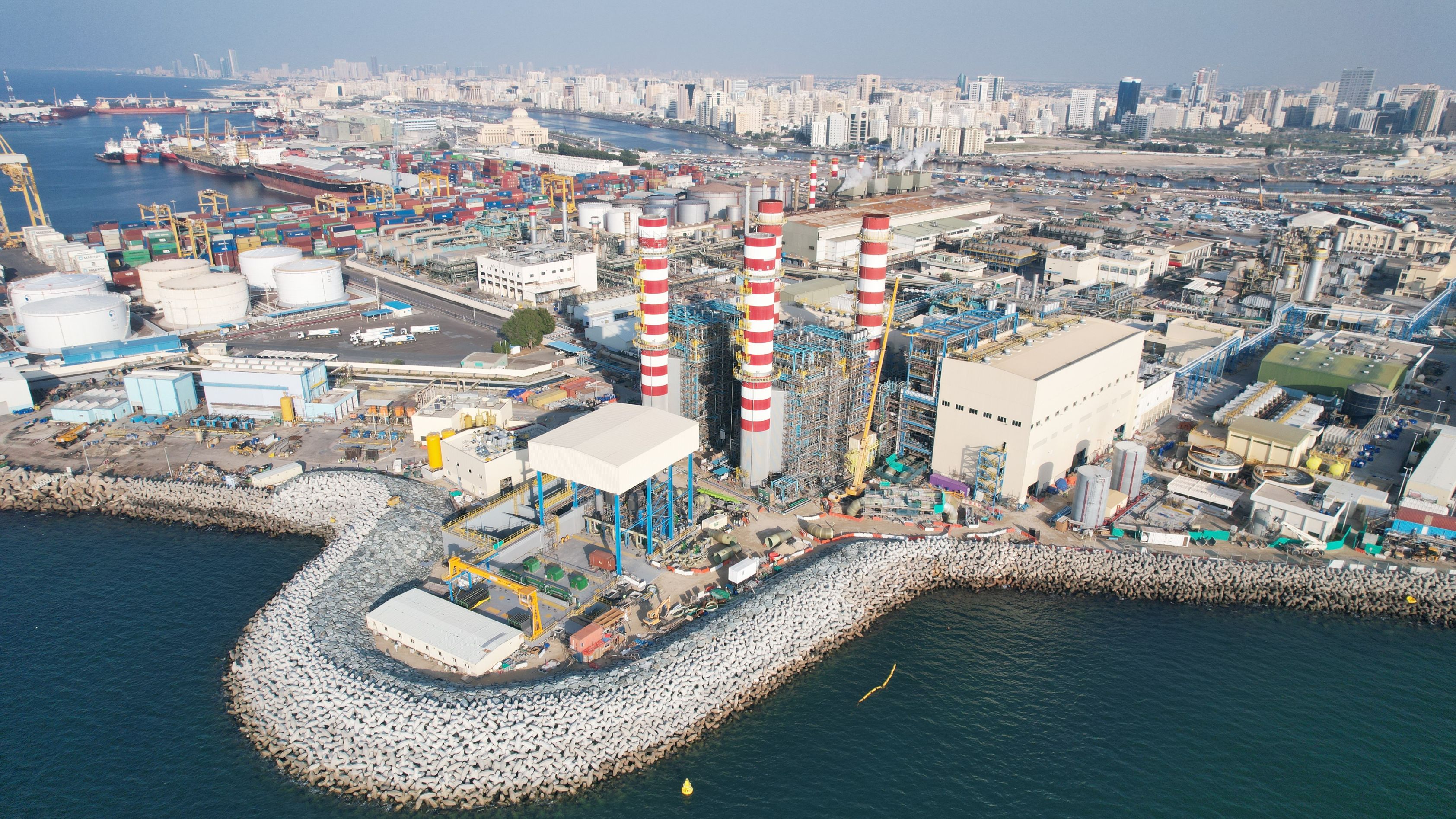
SEWA’s Aliyah power generation station, one of the three in Sharjah city. Image: SEWA.
In an energy-rich but water-scarce region, the sustainable and efficient use of resources is a guiding principle for Sharjah Electricity, Water, and Gas Authority (SEWA), which is the primary provider of electricity, water, and gas in the Emirate of Sharjah, part of the United Arab Emirates (UAE).
SEWA’s Customer Service Operations Consultant, Khaled Yousef Ahmad Diab, shares with GovInsider that the organisation has been on a digital transformation journey to not only modernise its services but also to set an example of how public entities can contribute to national priorities.
From 2023 to 2025, SEWA redefined customer service excellence through smart services powered by artificial intelligence (AI) and automation.
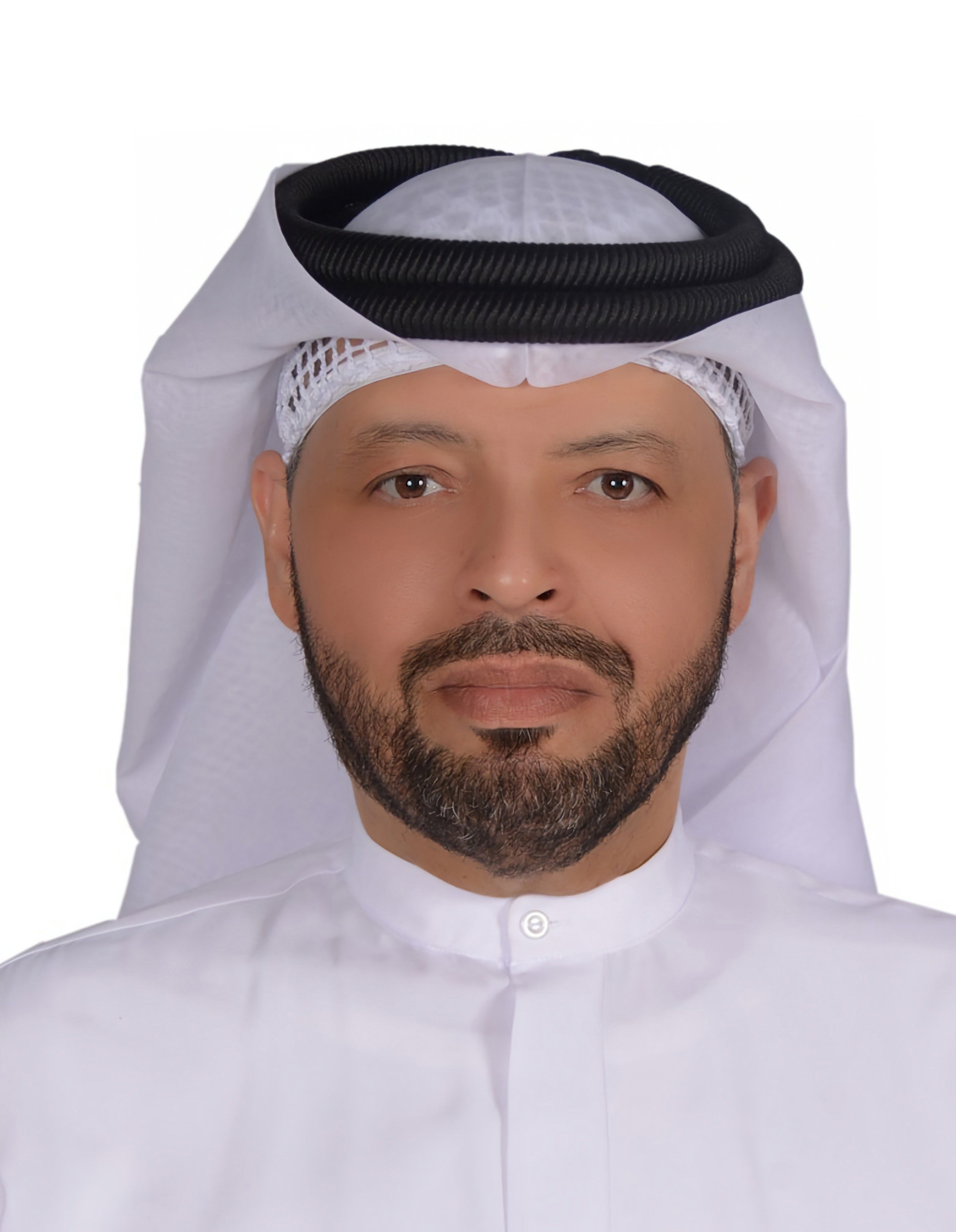
At this year’s GovInsider Festival of Innovation 2025 Awards, SEWA won a Special Mention in the Digital Government Award category for its digital transformation project.
Diab notes that SEWA, established in 1969, has become a benchmark in the region for automation and is guided by three strategic objectives: sustainability, digital transformation, and customer-centricity.
The utility has forged a strategic alliance to co-innovate with Smart Energy Water (SEW.AI), a leading artificial intelligence (AI) platform for utilities.
“While SEW.AI provides global expertise, supporting over 450 utilities worldwide, SEWA contributes local insight, community knowledge, and sustainability priorities,” says Diab.
As a part of the partnership, the authority has deployed SEW.AI’s customer experience platform SmartCX, as well as mobile application SmartWX, for field workers to streamline both front- and back-end workflows.
SEWA has also integrated AI platforms to digitalise workflows to seamlessly move across web, mobile, and backend systems, Diab adds.
It is building a connected ecosystem that will transform utility services from traditional, reactive models to proactive, AI-enabled ones. This new system seeks to position SEWA as a global leader in utility innovation, directly supporting the UAE’s vision for global leadership.
AI-powered chatbot
“At the heart of this transformation lies Naffa’a, the first AI-powered agent (chatbot) of its kind in the Middle East and Africa (MEA) region,” he says.
Leveraging AI, machine learning (ML), natural language processing (NLP), and robotic process automation (RPA), Naffa’a provides multilingual self-service 24x7, automates repetitive tasks, and predicts customer needs, thus drastically reducing service delivery time.
The impact has been remarkable: Over 1.3 million interactions have been resolved, 650 million dirhams (S$227 million) in digital payments have been processed, and more than 1.2 million monthly metre readings have been digitised - all within a fully sustainable, paperless ecosystem, Diab says.
To subscribe to the GovInsider bulletin, click here.
“As a purpose-built AI agent for utilities, it manages billing, payments, outage reporting, and emergency support, providing round-the-clock, multilingual assistance.
“Naffa’a not only responds intelligently to queries but also anticipates customer needs, automates complex workflows, and continuously improves service delivery,” he adds.
With secure integration into backend systems and compliance with international standards, Naffa’a ensures trust and reliability, and it “has earned SEWA multiple regional and international awards, setting a benchmark for digital excellence across the UAE”, says Diab.
Integration with external entities
He adds that integration with the Sharjah Municipality has enabled SEWA to convert key services into proactive ones.
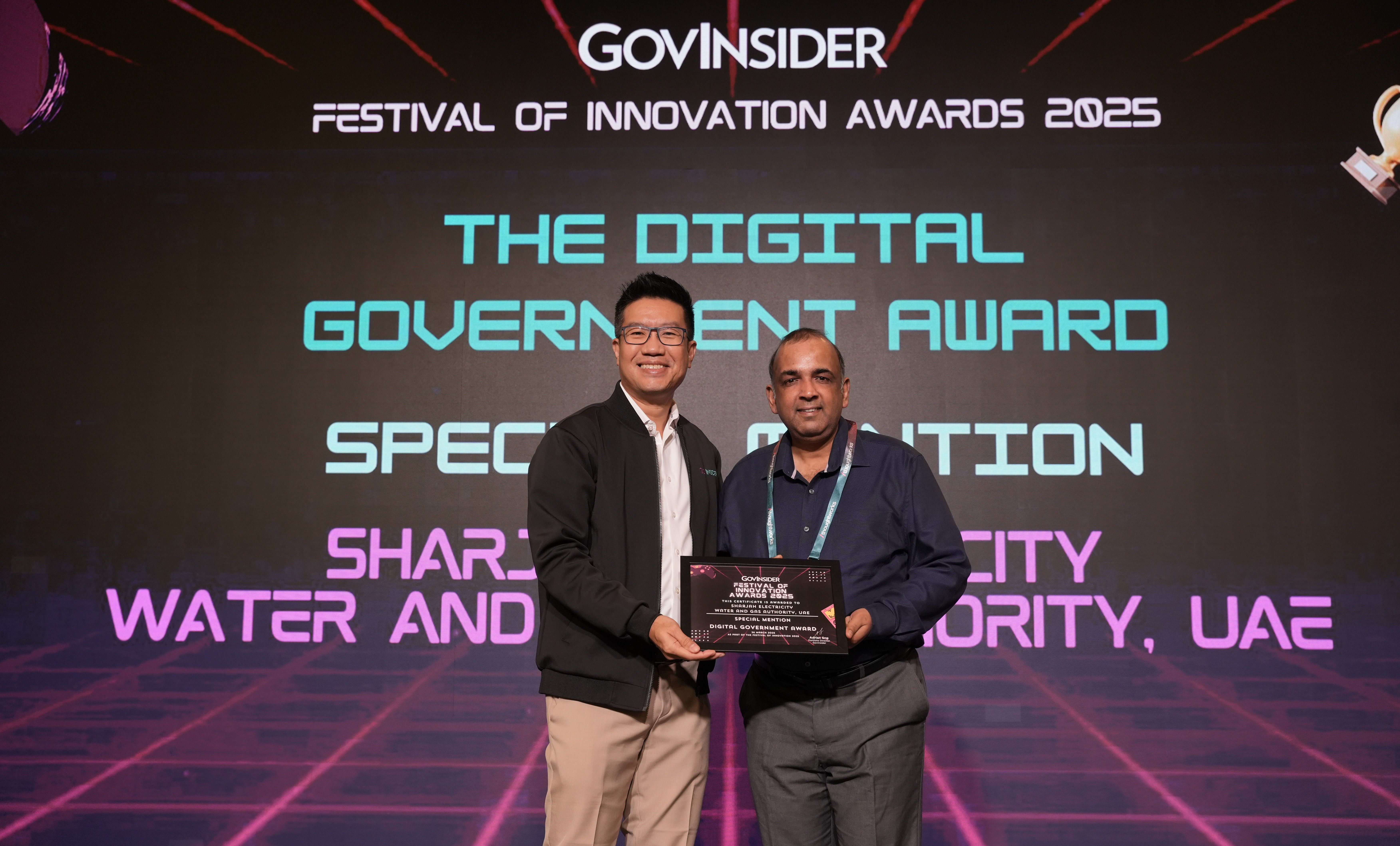
Sharing some examples, Diab notes that utility accounts are automatically opened once the customer finalises their contract with the municipality.
Similarly, terminations are triggered automatically by the customer’s municipal transaction, with no need to visit SEWA.
“This is made possible through strategic public–private sector partnerships with leading technology providers and system integrators, ensuring that SEWA remains at the forefront of innovation while adopting global best practices,” Diab says.
He adds: “By embedding AI, automation, and cross-government integration, SEWA has established a new benchmark for how utilities can exceed customer expectations and set global standards for excellence.”
Diab notes that SEWA has positioned cybersecurity as a cornerstone of its modernisation drive.
“SEWA has implemented advanced security frameworks tailored for the utility sector, including end-to-end encryption, identity and access management, and secure data exchange protocols,” he adds.
AI-enabled monitoring tools provide real-time threat detection and policy-based access control, ensuring resilience against evolving cyber risks, Diab adds.
“SEWA also aligns fully with UAE and global cybersecurity regulations, guaranteeing customer data confidentiality and system integrity.”
A focus on sustainability
As a public utility provider, SEWA is committed to sustaining its transformation through continuous innovation and alignment with global best practices, says Diab.
He notes that out of SEWA’s 10 customer service branch offices, it has successfully closed six branches, the most recent one on September 1, 2025.
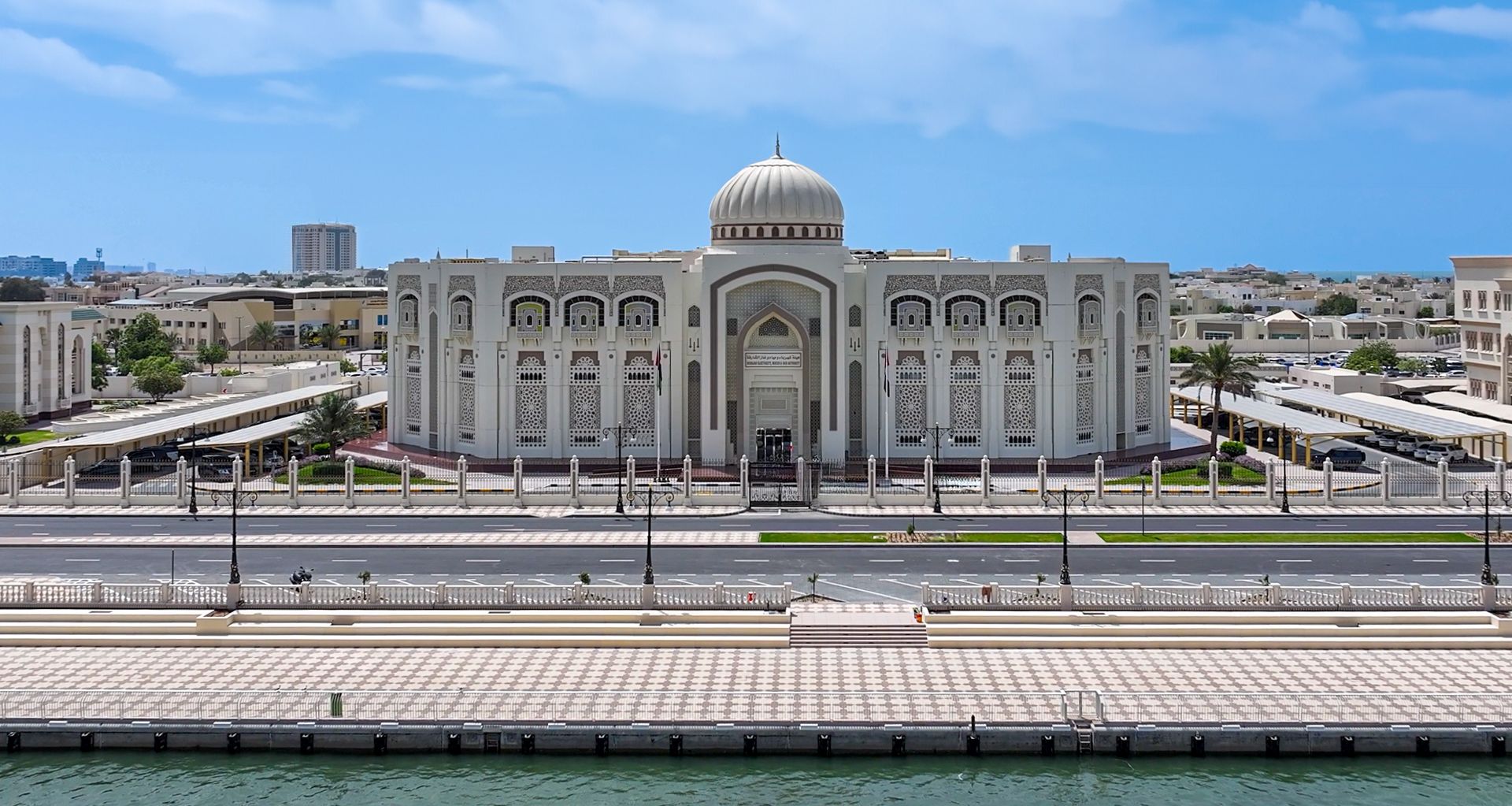
Despite these closures, the overall quality of services has not only been maintained but has significantly improved through our digital channels and AI-driven processes.
As a result, customer satisfaction ratings have reached very high levels, Diab says.
Reducing the number of physical offices has contributed to a measurable improvement in SEWA’s carbon footprint, reflecting reduced physical operations and resource consumption.
“It directly aligns with one of SEWA’s three strategic pillars, sustainability, demonstrating how our digital transformation is supporting both environmental responsibility and service excellence,” says Diab.
In the future, SEWA will focus on sustainability initiatives such as smart metering and the “ways to save” programme to empower customers so that they can actively monitor and reduce their consumption, he says.
By embedding sustainability, digital transformation, and customer focus into its core, SEWA has not only “elevated Sharjah’s service standards but also created a global benchmark for innovation and governance”, he says, adding that this aligns with the UAE’s vision of zero bureaucracy and smart governance.
Diab adds: “This success has been achieved under the guidance of His Highness Sheikh Dr Sultan bin Mohammed Al Qasimi, Member of the Supreme Council and Ruler of Sharjah, and through the close follow-up of SEWA’s senior leadership, led by H.E. Saeed Al Suwaidi, Chairman of SEWA, and H.E. Abdullah Al Shamsi, Director General of SEWA, ensuring that the authority delivers the best energy services to the public in the most efficient, simple, and effective ways.”