
India’s Maharashtra state rethinks agritech as an ecosystem, not isolated apps
India needs to move beyond putting services online to creating ecosystems that enable innovation, improve livelihoods and deliver measurable outcomes, says Parag Dabhade, CTO at Government of Maharashtra’s AI and AgriTech Innovation Centre.
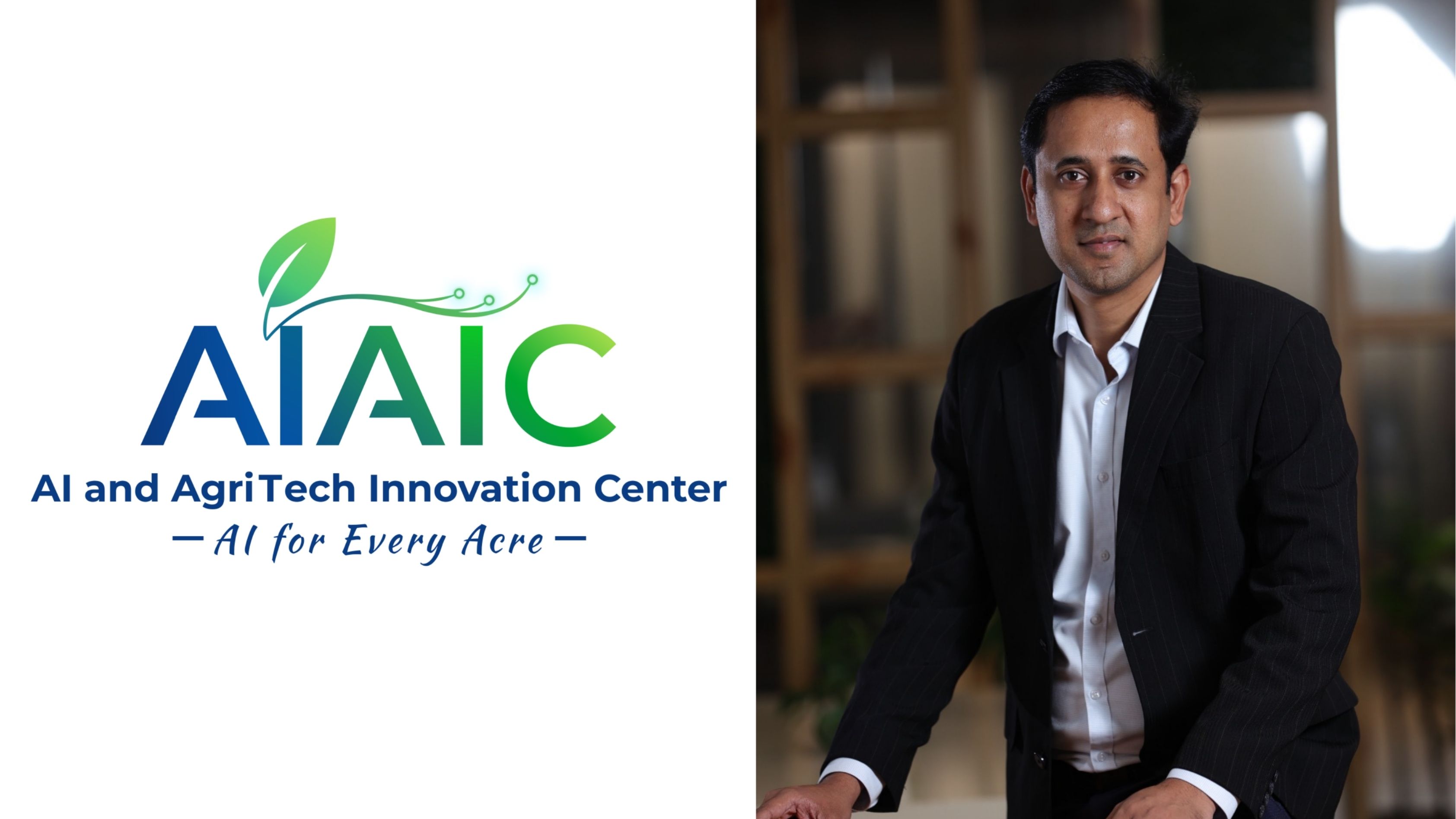
Governments need to establish common digital infrastructure and protocols that allow multiple stakeholders to build and innovate on top of it, says Parag Dabhade, CTO at Government of Maharashtra's AI and AgriTech Innovation Centre. Image: Dabhade
Governments need to move away from only developing siloed applications to establishing common digital infrastructure and protocols that allow multiple stakeholders to build and innovate on top of it.
For Parag Dabhade, Chief Technology Officer (CTO) at Government of Maharashtra's AI and AgriTech Innovation Centre, the distinction between a tech project and a digital ecosystem is critical.
A technology project, he says, is typically designed around a specific organisation, service or outcome. It has a defined scope and a clear beginning and end.
A digital ecosystem is different. “Its purpose is not just to deliver a solution, but to create an environment where multiple participants can come together and leverage it.”
For example, his centre creates common digital infrastructure through which appropriately governed agricultural datasets can be securely accessed by authorised participants, banks, agritech companies and other service providers to develop solutions for farmers.
Moving forward, Dabhade says his centre is not looking to build more applications to solve every problem, but to create a shared infrastructure that allows an ecosystem of solutions to emerge.
Agriculture as the next test
The centre is currently working on initiatives spanning artificial intelligence (AI)-enabled agricultural advisory, data exchange, traceability, remote sensing and geospatial technologies.
The objective is to bring together government data, agricultural research, weather intelligence, farmer information, and extension services rather than develop isolated applications, says Dabhade.
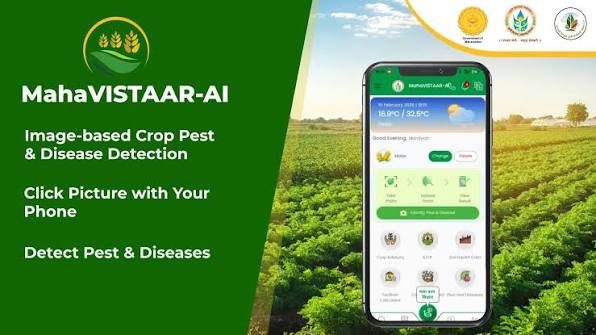
One example is MahaVISTAAR, an AI-enabled agricultural advisory platform designed to provide farmers with more personalised information.
The idea is to move beyond generic advisories.
A farmer may receive information about expected rainfall, but what matters is whether that information can be combined with crop, location and other relevant data to provide an actionable recommendation.
“The challenge is to bring relevant information together and make it accessible to farmers in a timely, contextual and actionable form.”
AI can help bridge that gap by processing historical and real-time information and converting it into more localised advice.
The system also enables conversational and image-based interactions, such as allowing farmers to submit crop images and receive advice on potential diseases or other problems.
Language and local context are important considerations, he says. Inclusive digital services need to reflect the linguistic and contextual diversity of the communities they serve.
Don't create a new generation of AI silos
The rapid adoption of AI presents a new risk, Dabhade says.
Governments could repeat the fragmentation of the earlier digital era by creating standalone AI systems that cannot communicate with one another.
“If we are not careful, we would end up repeating the mistakes of the past.”
Instead, AI should be built as an intelligent layer on top of trusted digital infrastructure.
“AI should not exist as a separate technology layer, which is disconnected from the digital public infrastructure (DPI). It should become an intelligent layer built on top of it.”
This also requires human oversight. Government systems can have significant consequences for citizens, particularly when AI-generated information is used to make decisions or provide advice, he says.
Measuring impact, not downloads
Traditionally, governments have often measured digital programmes through outputs: how many users have registered, how many applications have been launched, how many services have been digitised or how many transactions have taken place.
Dabhade argues that these metrics tell only part of the story. “They don't necessarily tell us whether people's lives have improved or changed, or whether there is some impact that has happened.”
“The question isn't simply how many farmers are accessing or downloading the app. The real question is whether those advisories are helping farmers make better decisions,” he adds.
That could mean measuring whether agricultural productivity improves, whether farmers receive more relevant information, whether market opportunities improve, or whether interventions contribute to better livelihoods.
This approach is already influencing how the state thinks about its emerging agricultural infrastructure.
For instance, Maharashtra's planned traceability ecosystem aims to follow agricultural products through different stages of the value chain.
But creating a QR code or onboarding crops onto a platform would not, by itself, demonstrate success.
“The more meaningful question for me is: has this traceability improved export readiness?”
Towards DPI 3.0
Dabhade describes India's digital journey as moving through three phases.
DPI 1.0 was about inclusion—bringing citizens into the digital economy through systems, such as Aadhaar and digital payments.
DPI 2.0, focuses on extending those digital rails into sectors such as agriculture, health and education to enable livelihood-led growth, productivity and market access with initiatives such as AgriStack and Open Network for Digital Commerce (ONDC), demonstrating how digital infrastructure could connect different sectors and participants.
DPI 3.0 looks towards using these foundations to enable broad-based prosperity.
“DPI 3.0 is not simply about putting more government services online. It is also not simply about adding AI or emerging technologies to existing platforms.
“It is about using the foundation of 1.0 and the capabilities of 2.0 to enable innovation and entrepreneurship.”
In agriculture, that could mean connecting farmer and crop data with weather intelligence, satellite imagery, research, and market information to create new economic opportunities across the value chain.
Government as ecosystem enabler
“Government should think beyond individual applications and focus increasingly on enabling the ecosystem," says Dabhade.
According to him, several principles are central to an ecosystem: interoperability, open standards, reusable infrastructure, APIs, consent mechanisms, security, and inclusion.
As he puts it, the future is not about governments building hundreds of AI applications. “It's about building trusted digital infrastructure."
“Nobody cares about which technology you are using. Whether it is giving me the right information—that's what I am looking at.”
For India's next phase of digital transformation, that may be the more meaningful definition of success.