
Indonesia integrates defence data to accelerate decision-making
Integrating defence data provides a comprehensive picture of the situation, supports decision-making, and helps determine the right actions to address threats, says the Ministry of Defence's Brigadier General, Rico Ricardo Sirait.
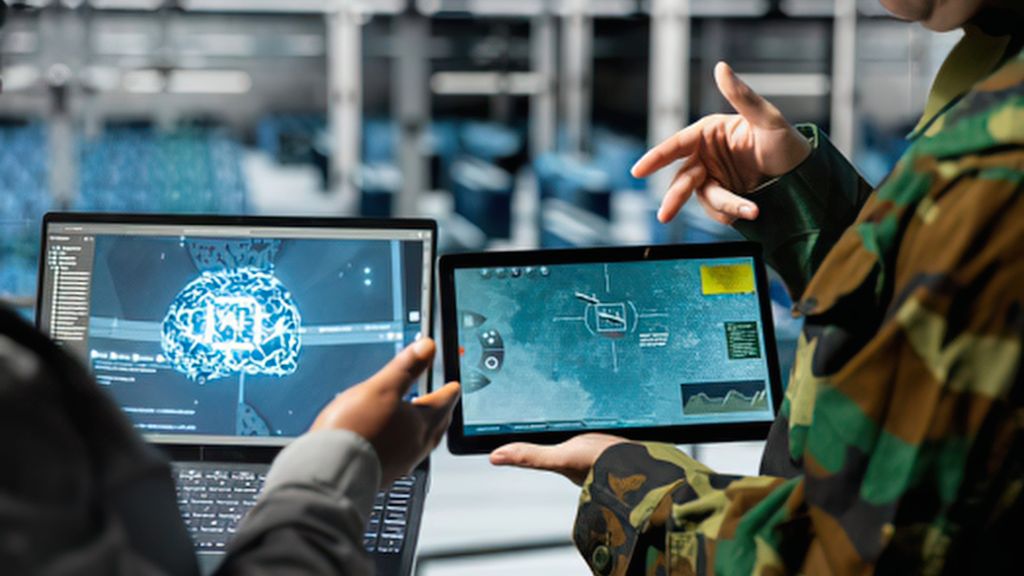
The ability of defence systems to exchange information is one of the foundations of national defence. Image: Canva
Radar, satellites, sensors, and drones among other various digital systems are giving Indonesia more ways to see what is happening across its territory.
But having more data sources doesn’t automatically support better decision-making.
These systems need to speak the same language, allowing defence data across different systems to be processed into a single, shared operational picture.
“The key is to ensure that information from land, sea, air, space and cyberspace can be read as one comprehensive picture that supports rapid decision-making,” says Ministry of Defence's Head of Defence Information Bureau, Brigadier General (BG) Rico Ricardo Sirait.
Speaking to GovInsider, BG Sirait explains that digital transformation isn’t only about modernising weapon systems, but enabling different digital systems to exchange information.
Each domain generates information with different characteristics. Cyber systems produce logs and security alerts, satellites and radar generate imagery and signals, while drones provide closer, real-time observations.
“When this information sits in different systems and uses different standards, it becomes difficult to exchange,” he says.
This need is becoming increasingly important as defence threats no longer come only from conventional battlefields.
Threats also come from cyber attacks, information and psychological warfare, espionage and intelligence operations, the use of unmanned aircraft, and artificial intelligence (AI), creating new layers of threats that need to be anticipated simultaneously, he adds.
One Defence Data
One Defence Data is intended to address these challenges through data standardisation, metadata, interoperability, reference codes, and master data.
“One Defence Data reduces fragmented data, differences in standards, duplication, and difficulties in exchanging data between units,” says BG Sirait.
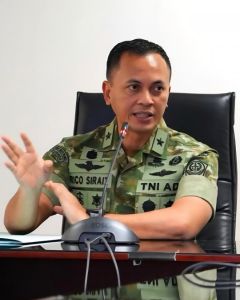
He adds that building data governance isn’t simply about collecting information, but also about ensuring its quality, consistency, and connectivity.
When systems use different standards or generate duplicate information, analysts need to spend time matching and cleaning data before they can use it.
This lengthens the process from detection to decision-making, he notes.
The implementation of One Defence Data is beginning to show progress, with the Ministry of Defence’s One Data Index reaching 81.35 in 2025, well above the national average of 51.07.
The index was first put forward by Satu Data Indonesia agency, and is computed based on three measurements, namely policy and governance, implementation, and data leadership.
Operationally, the impact of data is most evident in faster decision-making processes.
“The most impactful changes have been in data collection, intelligence analysis, developing the operational picture, operational planning, and delivering information to senior leaders,” he notes.
One Defence Data also provides the foundation for technologies such as AI and big data analytics to deliver greater value within the defence system.
Security built in from the start
BG Sirait recognises that the more defence systems become connected, the more easily strategic networks and information get compromised.
“Cyber defence needs to be incorporated from the planning, procurement, operation and maintenance stages of defence systems,” he notes.
Capabilities that need to be strengthened include the protection of defence networks and data, attack detection, incident response, communications security, personnel development, and inter-agency coordination.
The same principle applies to the use of AI.
While AI can help detect threats, analyse data, and provide recommendations; when decisions involve the use of force, responsibility cannot be fully delegated to an automated system.
“Decisions directly related to the use of force, particularly the use of weapons that could cause casualties, must retain clear human control and responsibility,” he says.
This means that developing AI for defence needs to go hand in hand with governance.
System testing, security, transparent records, and clear human officer’s accountability are all part of this ecosystem.
The next priority is building personnel capacity.
“Strengthening human resources and training is also important because technology is only effective when supported by an organisation and personnel capable of operating it,” says BG Sirait.
This becomes increasingly important as defence systems move from using individual platforms towards an integrated information environment.
Radar operators, intelligence analysts, cyber specialists, and senior leaders can use the same information for different purposes, he adds.
From weapons procurement to technological capability
Defence modernisation also has implications for how Indonesia builds its domestic defence technology capabilities.
According to BG Sirait, Indonesia still needs overseas procurement for capabilities that cannot yet be met domestically.
“Nevertheless, such procurement should also be used to build domestic capabilities through offsets, technology transfer, human resources training, joint research, and improved maintenance capabilities.”
He cites Indonesia’s cooperation with France and Italy as an example.
Under the Frégate Européenne Multimissions (FREMM) programme, an offset programme is meant to strengthen the capabilities of Indonesia’s domestic defence industry.
The PT PAL (state-owned naval company) is now building its own Scorpène-class submarines, with technology transfer from France’s Naval Group.
“The success of procurement should not only be measured by the number of major weapons systems received, but also by the technological and human resource capabilities that are genuinely mastered domestically,” he says.
A single integrated platform that brings together planning, procurement and logistics distribution data is meant to enable the defence logistics distribution chain to operate more efficiently, according to him.
Within this platform, AI is being used to predict logistics consumption and project material requirements, allowing potential shortages to be anticipated and distribution routes to be optimised.
Geographic Information Systems (GIS) map logistics centres and inter-island distribution routes to align routes with the Defence Area Plan, while real-time Internet of Things (IoT)-based monitoring technology is installed on transport infrastructure and at outermost posts to proactively detect new developments and improve readiness.