
Japan’s human-centred design helps to solve challenge of disaster management
Prime Minister Sanae Takaichi has stressed on the importance of providing products, services and infrastructure that help solve shared global challenges, as this creates a win-win solution for Japan and the world.
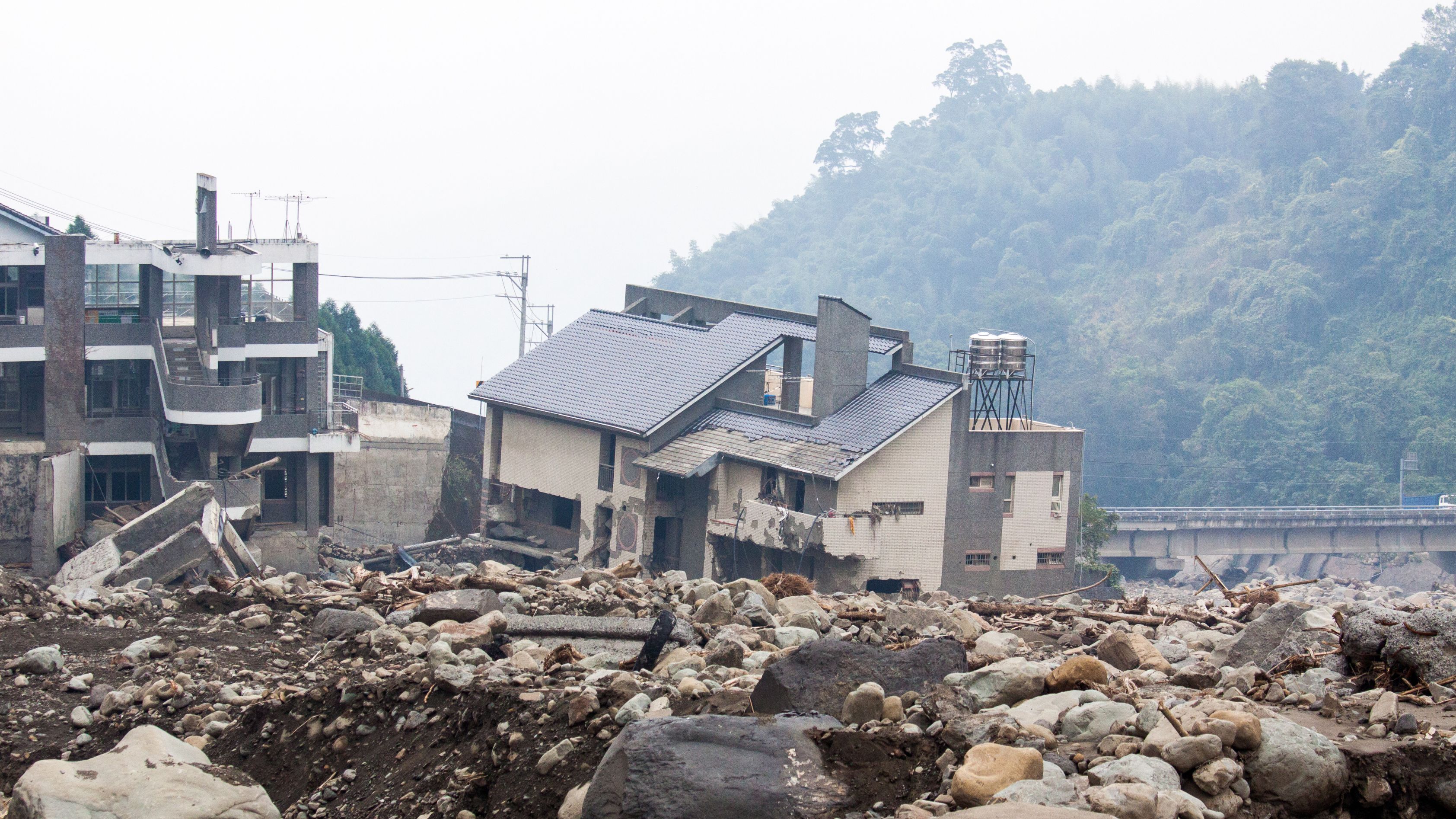
As natural disasters and a globalised supply chain transcend borders, the Japanese government sees disaster prevention as a bridge for international cooperation, said Japan Cabinet Secretariat's Misumi Takahito. Image: Canva
Japan Cabinet Secretariat’s Director of Global Communications, Misumi Takahito, noted that building social resilience and a robust economy goes hand-in-hand.
He made this comment during an online briefing session about the country’s disaster management strategy, organised by the Cabinet Office of Japan on December 11, 2025.
Takahito said that one of Japan’s strengths in disaster resilience was attributable to its continuous improvement culture.
“After each major disaster, Japan has continuously worked to prevent repeated damages by improving legislations, technologies or systems.
“And we believe that such experiences [build] a disaster-resilient culture or mindset over time,” he explained.
As natural disasters and a globalised supply chain transcend borders, the Japanese government sees disaster prevention as a bridge for international cooperation.
“Strengthening disaster resilience across Asia benefits all of us. So, we would like to co-create the solutions with other partner countries to tackle common, shared challenges,” shared Takahito.
Human-centred solutions for global challenges
Using instant houses as an example, Nagoya Institute of Technology’s Professor of Department of Architecture, Civil Engineering and Industrial Engineering, Kitagawa Keisuke, shared how prioritising human needs was key to developing scalable solutions for common global challenges related to natural disasters.
Instant houses, often modular or expandable, are temporary shelters designed for quick set up and use lightweight but durable materials.
Unless his team could overcome the construction problems of traditional housing, they wouldn't have a real solution for the homeless, he shared.
These problems included long construction time, heavy materials which are expensive and require professional labour.
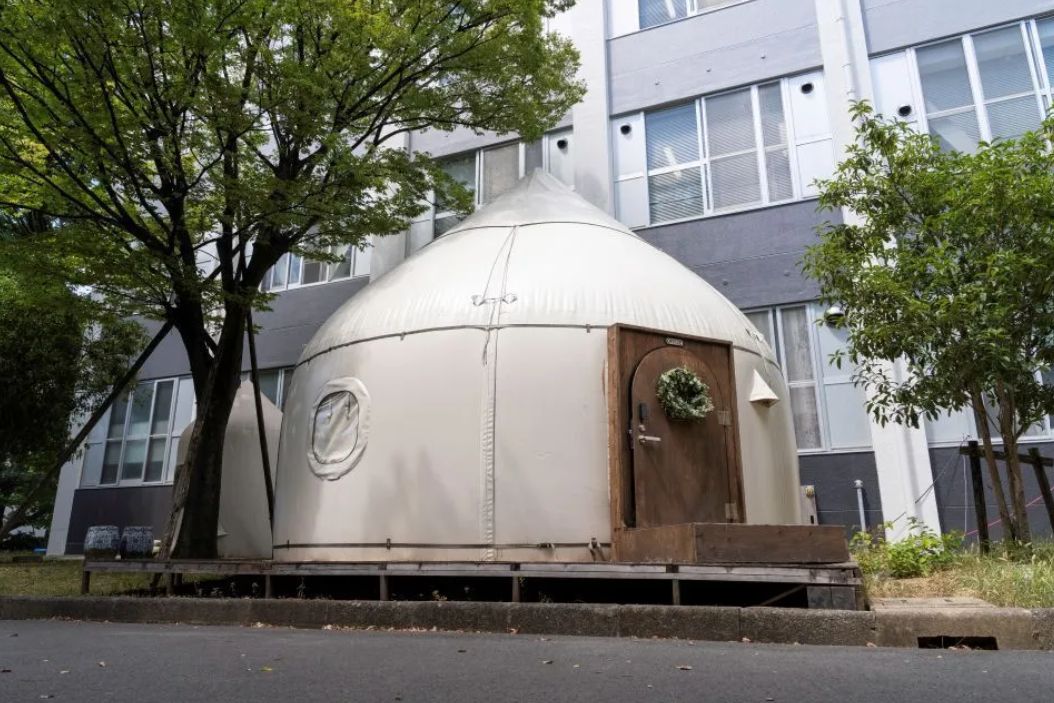
Interestingly, air became the most critical element in tackling these problems.
According to the Japanese government’s website, the instant house "uses a blower to inflate a dome-shaped membrane with air, then spraying polyurethane foam on the interior wall.”
This innovative method of building houses converted months to one or two hours of construction, could be contained in a lightweight backpack, is affordable and easy to build by the victims themselves.
Despite being “instant”, the structure also outperforms traditional shelters, such as being able to withstand typhoons and hurricanes with wind speeds of up to 100 metres per second, as well as heavy snow.
The structures are also durable enough to last 20 to 30 years, enable off-grid living without being connected to the city’s electricity and water grid, and have walls that are adaptable enough to stay cool in summer and warm in winter.
Keisuke emphasised that this isn’t just a Japanese solution, as instant houses are already exported to the Middle East, Southeast Asia and Africa to provide shelters for victims of natural disasters.
To subscribe to the GovInsider bulletin, click here.
Build local resilience and cooperate with diverse actors
“Innovation is not limited to high tech or expensive products or systems, but also people’s innovative ways of thinking or behaviours towards disaster,” said Takahito, when asked about Japan's long-term vision for disaster preparedness.
“We believe that a community-based approach [and] a disaster risk reduction approach are some of the most important things.
“Combining technology and disaster-resilient infrastructure, I think an inclusive, participatory approach is the ideal disaster management measure,” he added, emphasising that both local community resilience and innovative tech were key to achieving a sustainable vision.
Additionally, Takahito underlined the importance of the public sector collaborating with diverse actors, including private enterprises, non-governmental organisations (NGOs), research and academic institutions in Japan and partner countries.
The government engages in cross-border cooperation through its Japan International Cooperation Agency (JICA). For example, JICA worked with the Philippines’ government on flood control planning and capacity building.
In 1999, the Philippines government set up a dedicated flood control department, “only one of its kind among developing countries” he said, and this commitment has led to significant budget increase for flood control.
The impact was clear during Typhoon Ulysses in 2020, where these strategic projects were estimated to have reduced economic damage by 85 per cent, he shared.
Takahito emphasised on the direction set by the new Japanese Prime Minister, Sanae Takaichi, where investing in social resilience was one of the main pillars of the current administration’s growth strategy.
These strategic investments included public-private partnerships to address various risks and social issues.
Aside from enhancing national resilience, the government aims to provide products, services and infrastructure that help to resolve shared global issues and lead to economic growth for Japan, he said.
“We'd like to see a win-win situation for both Japan and partner countries facing common challenges by leveraging Japan's expertise and experience,” he shared.