
Mahadir Mohamed Yusuf, Assistant Lead Engineer, NUHS CIO/CISO Services, NUHS CIO Office, Synapxe, Singapore
By Sol Gonzalez
Meet the young public sector officials in the inaugural Young & Official Report 2026.
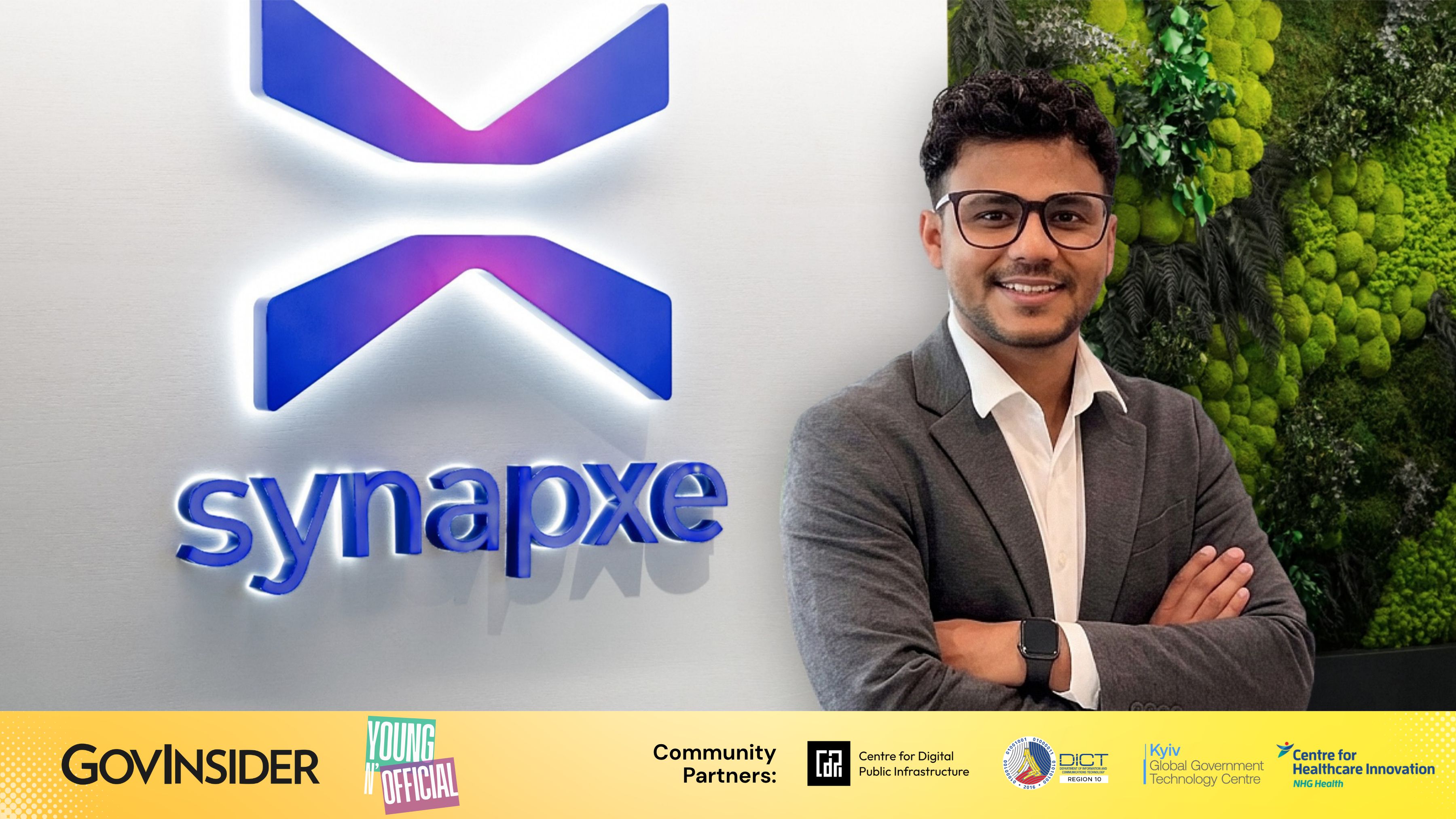
Mahadir Mohamed Yusuf, IT Security Officer, Cyber Security Office, Synapxe, Singapore. Image: Synapxe.
1. What does public service mean to you? Can you share more about your role in the public sector?
Public service, to me, is about responsibility and serving something larger than oneself. Being part of Singapore's public healthcare system gives me immense pride, as healthcare is one of our nation's most vital assets.
I currently support the National University Health System (NUHS) cluster as an Assistant Lead Engineer. In this role, I work on IT and cybersecurity risk assessments for Medical Devices and Operational Technology Security (MDOTS) and Information and Communications Technology (ICT) systems across Singapore's public healthcare sector.
My work contributes to the broader mission of keeping the healthcare systems that patients and clinicians depend on secure and resilient.
2. Tell us about a project you championed. What impact did it have on the community?
One significant project I supported as a cyber risk assessor involved a picture archiving and communication system that securely integrated clinical images with the electronic medical record system.
For this project, I factored in security considerations for the project from the start. Contributing early in the process meant that potential concerns could be surfaced and resolved before the system went live.
What makes this meaningful is knowing that the work contributes to the broader goal of patient safety and data protection — values that matter deeply in healthcare.
3. As a young professional, how has your unique background or perspective allowed you to identify a solution that others in your organisations might have overlooked?
Through my experience across several multinational organisations, I have held roles spanning policy, risk management, and technical assessment. My strength lies in bridging cybersecurity governance and technical expertise with equal depth and proficiency.
These experiences enable me to view challenges from multiple perspectives rather than a single lens, and to serve as an effective liaison between stakeholders and technical teams, ensuring risks are well understood and addressed effectively.
4. What is your personal strategy for maintaining your creative energy when faced with bureaucracy?
I remind myself that bureaucracy exists for a reason – often to ensure accountability, safety, and consistency, especially in the public sector. I have come to understand it less as a constraint and more as a framework that, when worked with thoughtfully, can actually strengthen outcomes.
I break large, complex processes into smaller, achievable milestones, so that progress still feels tangible. I also concentrate on what I can control, whether that means refining an idea or improving documentation.
When I find myself waiting for the next step, I use that time productively to think ahead, anticipate challenges, and refine approaches so that I am ready to move decisively when opportunities arise.
5. If you had just one area to invest in to accelerate transformation in the public sector (regulation, technology, talent, etc.), which one would you choose and why?
I believe sustainable transformation requires people, processes, and technology to be strengthened together. No single element is sufficient on its own.
Singapore already has strong regulatory and governance foundations. The challenge lies in ensuring that technology is adopted with clear intent, rather than simply keeping up with trends or adopting new tools in search of a problem to solve.
That’s why I believe the real accelerator is people – investing in skilled professionals who bring fresh perspectives and critical thinking. When people are well trained and empowered, they design smarter processes, make better decisions, and apply technology where it truly adds value. Invest in the right people, and the rest follows.
6. What is your greatest ambition as you grow in your public service career?
My philosophy is very simple. Build strong character, stay disciplined, remain consistent in my values, and never stop learning. I aspire to contribute to efforts that support secure and trusted systems, while growing into roles where I can help make impactful decisions at a broader level. Whatever role I serve in, my intention is always to work with integrity, confidence, and genuine passion.
7. What is a “universal value” that connects everyone in your department – from interns to directors – and how do you use that to drive collaboration?
The universal value that connects everyone in my department is staying grounded in purpose.
We are aligned by the understanding that our work plays a key part in supporting patient safety and public trust. This common purpose gives meaning to what we do and reminds us that every contribution matters.
This shared foundation also helps us find common ground and cuts across hierarchy in collaboration. It naturally encourages more open conversations, mutual respect, and stronger teamwork.
8. What is the best piece of advice you’ve got for the next generation of public servants?
Public service is not just another role in your career; it is about people and the trust they place in public institutions. It is a meaningful opportunity to serve with purpose and responsibility.
Do it with courage and pride, always remembering that we are working collectively to build a better nation for the people we serve.
Here’s one of my favourite sayings: "Hard work will beat talent if talent does not work hard." This applies not only to public servants but to all of us, regardless of where we are in life. Keep moving, like flowing water – the moment you become stagnant, you stop growing.
9. What is a myth you wish to debunk about young public servants?
People often assume young public servants lack commitment and are only after quick wins. But honestly, that is not what I see.
Many are genuinely curious, willing to learn and think outside the box, and deeply committed to making meaningful contributions. What they often need is guidance and trust, and someone willing to give them the opportunities to try and express themselves.
When that happens, they can rise to the occasion, surprise you with their fresh ideas and deliver exceptional results.
10. Write a letter to your future self in 2035.
Dear Future Mahadir,
You have come a long way through the triumphs, challenges, setbacks, and even moments of self-doubt that shaped you. The journey has not been easy, but each achievement reflects resilience and stands as a reminder to those who supported you when it mattered most.
As your responsibilities grow, I hope you continue to lead with empathy, fairness, and clarity. Never forget to guide and uplift those who follow, just as others once guided you.
Above all, I hope you’ve stayed true to the values that shaped your journey: integrity, discipline, humility, and compassion. Stay grateful, stay grounded, and never lose sight of how far you’ve come.
- Your younger self.