
Malaysia wants more students online and more freedom for universities. Can it deliver both?
By Valeryn Liaw
From a streaming platform for schools to more flexible curriculum rules for universities, the Ministry of Education is rethinking who can access learning and who gets to design it.
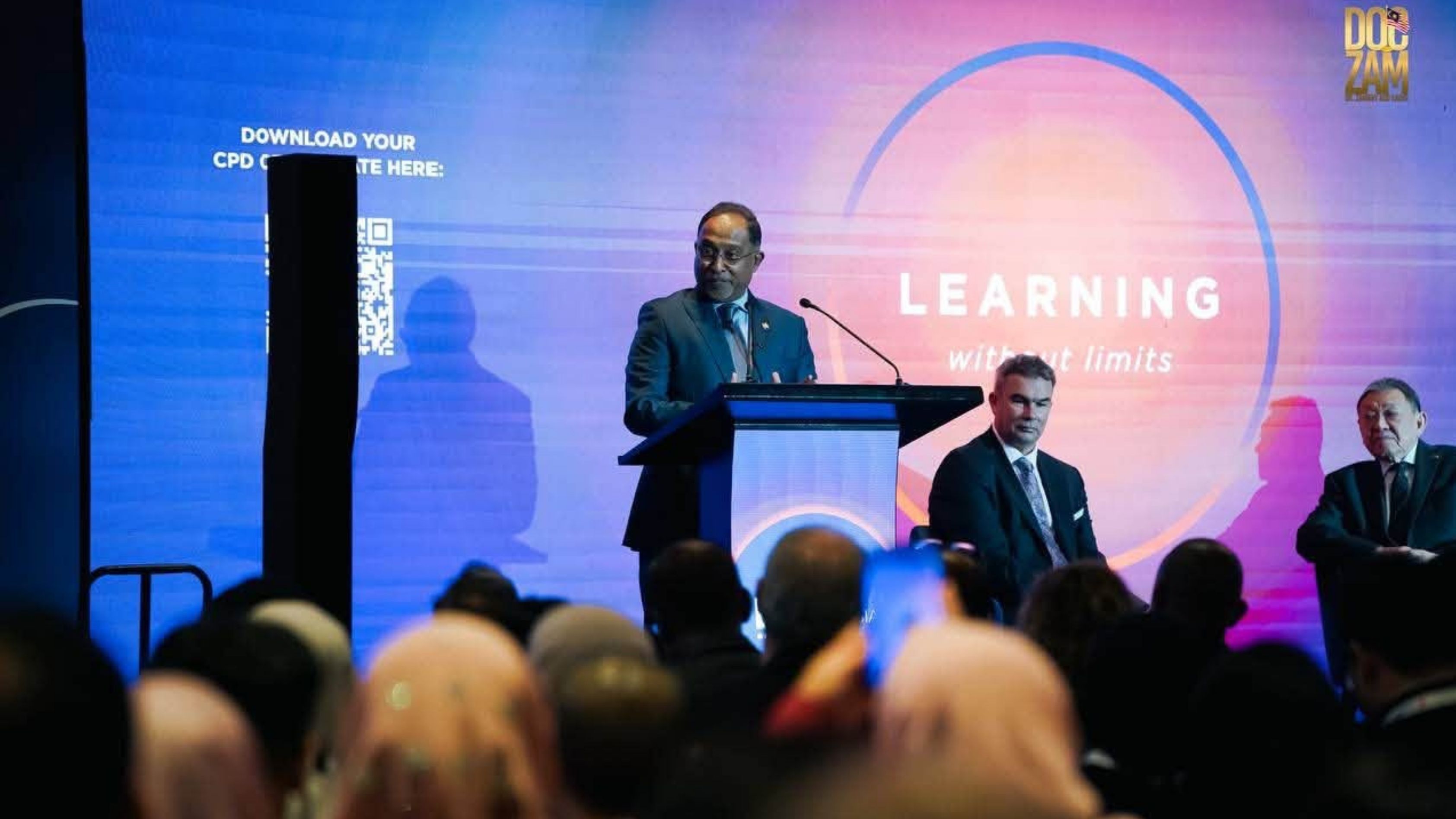
Opening the summit, Malaysia’s Minister of Higher Education, Dato’ Seri Diraja Dr Zambry Abdul Kadir outlined Malaysia's vision for higher education. Image: Dr Zambry
As artificial intelligence (AI) continues to disrupt learning, Malaysia is looking at how to get more students online and give universities more room to adapt their learning pathways.
The country’s approach was addressed at Bett Asia 2026, a regional education technology (EdTech) event held in late September. Both objectives also sit within Malaysia’s Higher Education Blueprint 2026-2035.
In his opening address at the event, Malaysia’s Minister of Higher Education, Dato’ Seri Diraja Dr Zambry Abdul Kadir, stressed that universities are not simply “degree factories,” but “institutions entrusted to cultivate civilisations.”
While underlining technology’s role to enable learning, he said institutions and students must continue to master learning.
The government is not only looking to make online learning more accessible for disadvantaged populations, but also to expand its flexible learning pathways through micro-credentials, Technical and Vocational Education and Training (TVET), and lifelong learning.
Reducing the accessibility gap
The Ministry of Education (MOE) is building on the Digital Educational Learning Initiative Malaysia (DELIMa), a centralised digital repository that supports learning beyond classrooms and school hours.
“The platform has been enhanced with DELIMa 3.0 to make digital learning more interactive, inclusive and user-friendly,” says Dr Khairah Asma’a Binti Baharun, Principal Assistant Director,
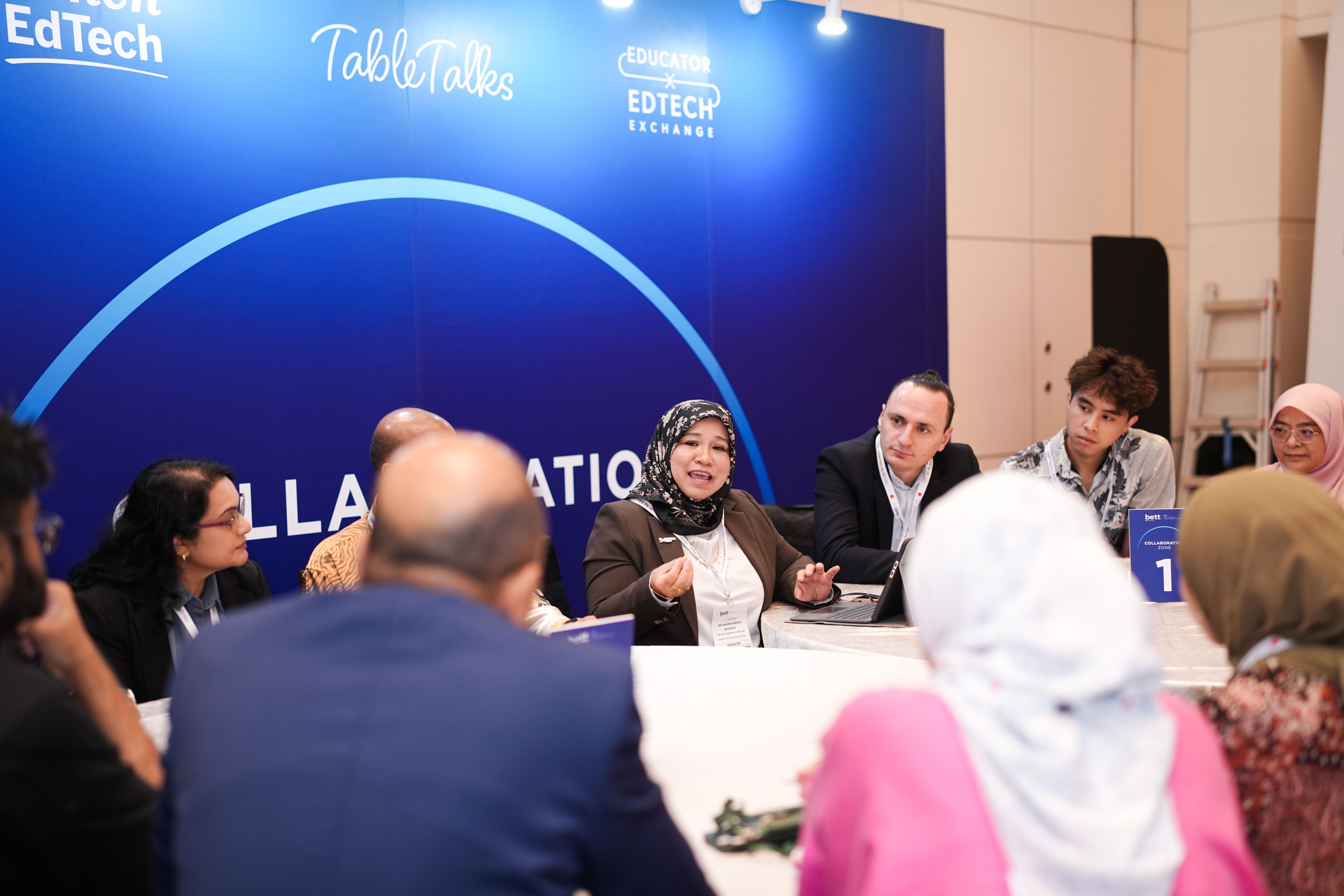
MOE, to GovInsider.
The ministry has also launched DELIMaFLiX, a streaming platform with curriculum-based videos for preschool, special educational needs and TVET learners.
Malaysia’s National Planetarium is expanding its astronomy module for students with disabilities and underserved communities, and is planning to offer a sign language version on the platform.
Two AI-enabled tools sit alongside DELIMaFLiX.
Teachers can use the Digital Education Teaching and Learning Assistant (DETa) chatbot for tailored teaching content suggestions, while the Digital Learning Pathway recommends materials to students based on their performance, interests and academic needs.
Dr Khairah added that DELIMaFLiX has recently expanded to four aborigine schools, and the team is looking into an offline version for students with limited connectivity.
Giving universities more room to innovate
In higher education, the question is how much flexibility institutions should have.
“Regulation should enable institutions to innovate while maintaining academic standards and accountability,” said Professor Ts Dr M Iqbal Saripan, Deputy CEO, Malaysian Qualifications Agency (MQA), at the event.
Under its Strategic Plan 2026-2030, MQA is giving universities greater autonomy in staffing and teaching arrangements to respond to rapidly evolving industry demands.
It is replacing Programme Standards with Programme Guides, which lets universities revise their curricula beyond the previous 30 per cent limit, without seeking prior MQA approval.
However, having more freedom also puts more responsibility on universities.
“Universities must exercise their expanded powers through robust internal governance, ensuring every graduate consistently achieves defined learning outcomes,” Dr Iqbal said.
This is why collaboration also matters to pool resources and share lessons.
Sunway University, Monash University Malaysia and Taylor’s University have formed the Triple Alliance, pooling expertise and resources so learners can access teaching across all three, in real time and online.
“Educational leaders must possess the strategic courage to look beyond internal resources, identify institutional complementarities, and create mutually beneficial partnerships that expand opportunities for students and industries alike,” Dr Iqbal said.
Keeping educators and learners at the centre
“Technology can identify a pattern. A teacher can interpret a life,” said the Education Minister Datuk Seri Fadhlina Sidek at the event.
She also cautioned about AI’s risk in turning students into “hasty readers”.
“There is value in having to think. Some difficulty is productive.
“When a child wrestles with a paragraph, follows an argument and decides whether it makes sense, that effort is not an obstacle to learning. It is the learning,” she explained.
Expanding access and autonomy matter only if students still do the thinking, and the officials say regulators and platform builders will need to keep proving it.
The Minister set three expectations for EdTech developers: involve teachers in defining problems, test products in diverse classrooms, and make sure technology strengthens, and not overrides, teachers’ professional judgement.