
Nese Buzcu Kir, Senior Manager, Cyber Risk Management and Services, Synapxe, Singapore
Meet the Women in GovTech 2025
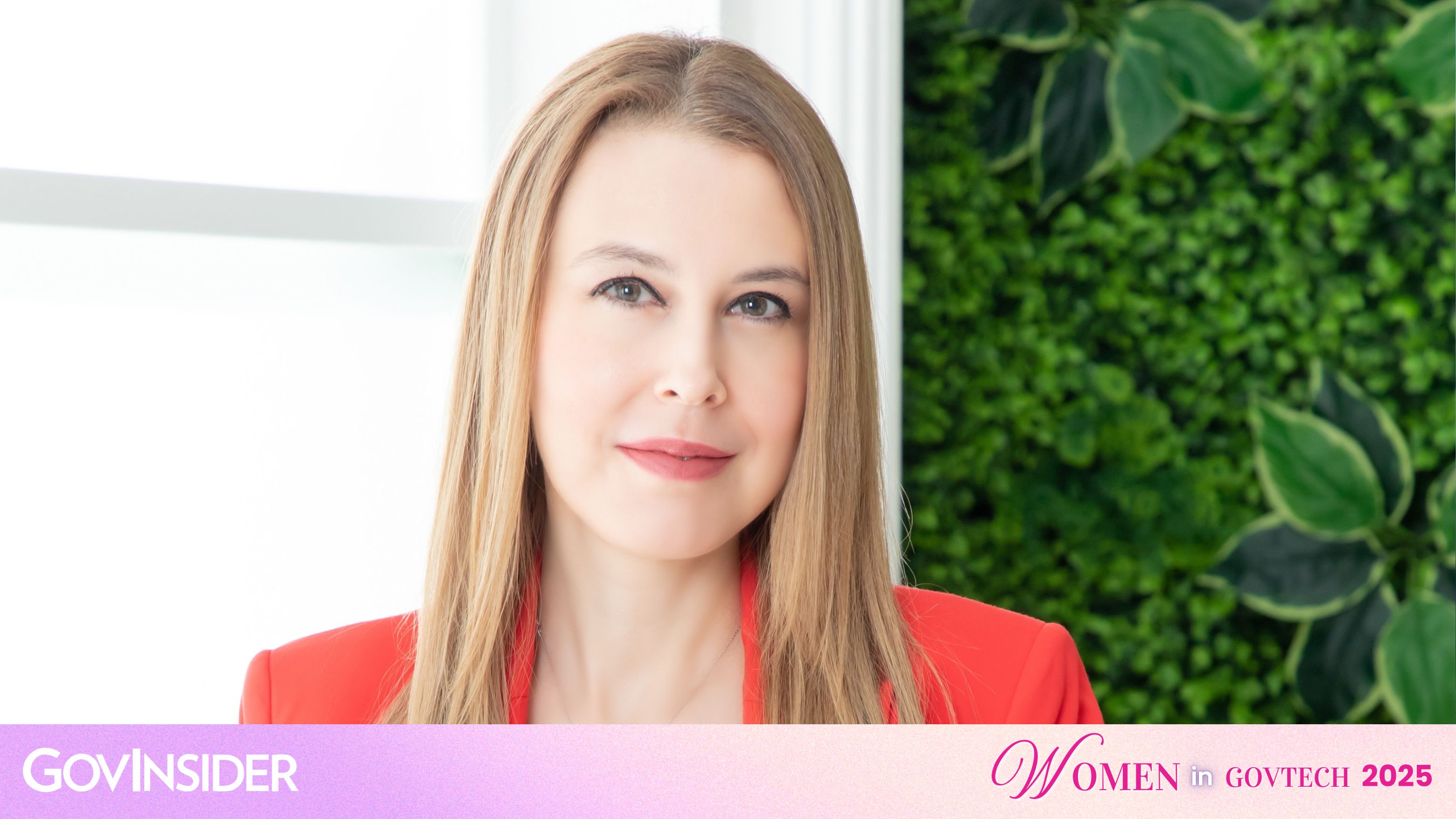
Nese Buzcu Kir, Senior Manager, Cyber Risk Management and Services, Synapxe, Singapore, shares her life's journey. Image: Synapxe.
1) How do you use your role to ensure that technology and policy are truly inclusive?
In today’s world. It is critical to proactively identify, assess and manage cyber threats to ensure the integrity, confidentiality and availability of systems and data.
As a woman working in healthcare cybersecurity risk management, I focus on making technology and policy inclusive by conducting comprehensive compliance and security risk assessments across all healthcare systems serving our diverse patient population.
I verify that security policies are effectively implemented across patient portals, healthcare platforms, and clinical management systems, ensuring that security measures do not compromise system functionality or availability across all care scenarios.
This security oversight strengthens the overall cybersecurity posture of Singapore’s public healthcare systems, enabling users to have access to secure yet accessible technology that supports care delivery for our entire patient community.
My team collaborates with technical and business teams to promote a culture of secure development and innovation, ensuring our systems remain resilient and future-ready.
2) What’s a moment in your career when you saw first how technology or a new policy changed a citizen’s life for the better?
The implementation of Electronic Health Records (EHR) has been one of the most impactful technological advances in Singapore's healthcare.
Before EHRs, patients visiting different healthcare institutions/providers often had to repeat their medical histories at every appointment, carried physical records and sometimes received duplicate tests because information couldn't be easily shared between healthcare facilities.
With EHR, I've seen how patients benefit from seamless care coordination.
A patient with multiple chronic conditions can now see their cardiologist, endocrinologist, and primary care physician, with each provider having immediate access to the other caregivers’ notes, test results, and treatment adjustments.
The result is more coordinated, effective care while maintaining strict data security standards.
As part of the deployment of EHR, the role of risk governance lies in the establishment of coordinated incident response protocols and ensuring compliance with cybersecurity governance requirements, such as access controls and security standards of third-party system integrations across different healthcare organisations.
3)What was the most impactful project you worked on this year, and how did you measure its success in building trust and serving the needs of the public?
The most impactful projects that I took part in were digitalisation projects, where I ensured that critical security controls were in place and that data protection, access management, and system resilience were adequately addressed.
Such controls helped identify potential vulnerabilities early, which ensured that stronger and effective safeguards were tried and tested before the projects went live.
By embedding cybersecurity assurance into every stage of the project lifecycle, I helped to ensure the patient data is accurate and complete, and most importantly, it remains secure.
4) What was one unexpected lesson you learned this year about designing for real people? This can be about a specific project or a broader lesson about your work.
I learned that designing for real people in the rapidly evolving AI healthcare space is as much about trust as it is about technology.
While artificial intelligence (AI) can enhance accuracy and efficiency, people need transparency and reassurance to feel comfortable using it.
The key lesson was that while we can leverage AI to improve our risk management, the design must prioritise how the solution makes users feel safe and informed when deployed.
5) How are you preparing for the next wave of change in the public sector? What new skill, approach, or technology are you most excited to explore in the coming year?
Preventive and predictive healthcare will be one of the drivers in the next wave of change in public healthcare.
The shift from reactive treatment to proactive health management will be enabled by continuous monitoring and early risk identification.
To subscribe to the GovInsider bulletin, click here.
Hence, human-AI collaboration frameworks for clinical judgment, privacy-focused AI techniques, and bias detection and mitigation will be areas that we need to focus on.
In addition, the implementation of preventive and predictive healthcare technologies will require robust, multi-tiered security architectures, accurate and reliable data sources and intelligent threat detection mechanisms.
I think it would be good if healthcare organisations could also invest in developing enhanced technical capabilities and upskilling their personnel to better oversee and maintain these sophisticated security measures.
6) What advice do you have for public sector innovators who want to build a career focused on serving all citizens?
End-user experience is critical to the successful adoption of any innovation. Deep empathy and understanding must be the key points.
Spend time talking to different groups of people to learn about their real problems and needs.
Innovators should also explore how the government works and what regulations are important to balance technical competence with a strong human connection.
7)Who inspires you to build a more inclusive and trustworthy public sector?
People are the primary source of inspiration in public healthcare, as their stories, struggles, and resilience remind us why compassionate care matters.
I have always seen Princess Diana as a role model, and I truly admired her compassion and humanitarian work that transformed the healthcare system, making it more inclusive and equitable for everyone.
Especially notable were her efforts for children diagnosed with cancer. She raised significant funds for research and treatment for sick children. Her legacy still moves people to act.
8) If you had an unlimited budget, what would your dream project be?
As a mother of two kids, my dream project would be to nurture kids toward a mentally and physically healthier, happier life.
The project would help children build healthy habits through fun, interactive experiences, where parents can also connect globally and receive personalised tips to support their child’s growth.
9) Outside tech, what excites you the most?
Outside of technology, I am most energised by travelling and exploring new cultures.
I find it fascinating to learn from diverse perspectives and discover how culture influences people’s values.
It also inspires creativity and adaptability, which I bring back to my professional life.