
Observability is key to scaling AI without losing control
By Dynatrace
At Dynatrace's Innovate Roadshow on July 22, a panel of enterprise tech leaders highlighted the importance of addressing how much freedom to give to autonomous agents, and what happens when they get it wrong.
-1786946790400.jpg)
Dynatrace's Innovate Roadshow on July 22 in Singapore. Image: Dynatrace
Most organisations now have an artificial intelligence (AI) pilot running somewhere, be it summarising documents, flagging exceptions or drafting code.
Increasingly, those pilots are graduating into operators as AI agents that investigate problems, act, and fix things without a human clicking approve each time.
This shift raises a harder question of whether anyone is watching what it's actually been told to do.
The tension was being discussed in a panel at Dynatrace Innovate Roadshow in Singapore on July 22 titled "The Autonomous Advantage: Unlocking Competitive Edge through AI and Observability."
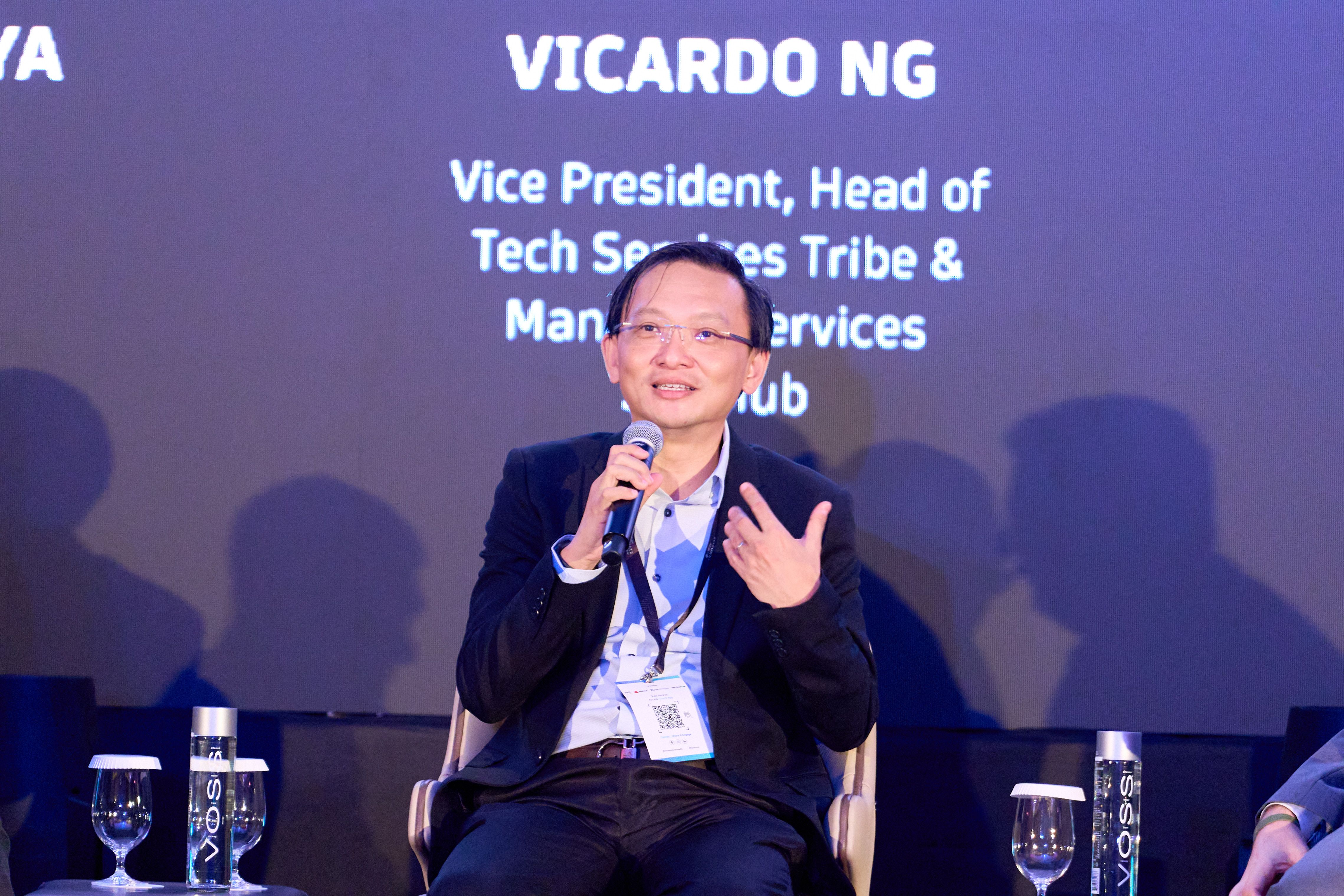
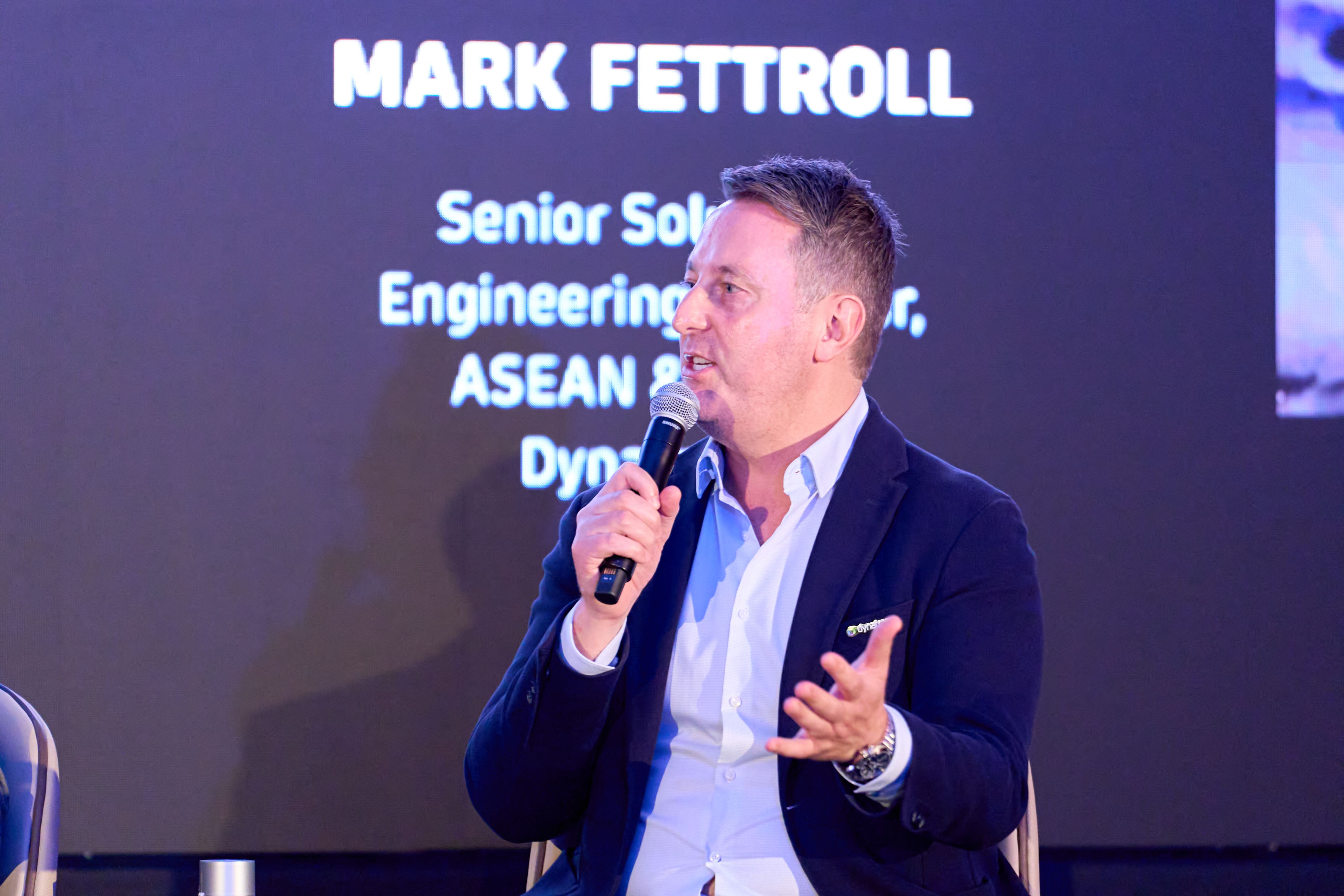
Moderated by OpenGov's CEO and Editor-in-Chief, Mohit Sagar, the panel brought together StarHub's Vice President and Head of Tech Services Tribe & Managed Services, Vicardo Ng; Dynatrace's Senior Solutions Engineering Director for ASEAN & Korea, Mark Fettroll; and speakers from a banking organisation and an infrastructure provider.
The real barrier isn't the technology
Sagar opened the panel by asking why so many AI proof-of-concepts (POCs) never scale.
According to the speaker from the banking organisation, most organisations never define what "value" looks like before they start.
A POC is cheap and almost always works, he said, but the harder step is proving value by tying AI to a measurable outcome, such as a task that once needed 20 staff now needing five.
He advised IT teams to stop describing themselves as a cost and swap it for investment in conversations about technology spend.
"The moment you think you're a cost centre, that's how you'll be treated," he said.
Asked what separates enterprise-ready organisations from the rest, StarHub's Ng emphasised AI needs a body resilient enough to support the brain, which includes governed data, modular infrastructure, and clear rules for vetting open-source components before they reach production.
Should organisations modernise only after addressing technical debt? He tackled this as a trick question, as IT is always playing catch-up, and zero technical debt is a fantasy.
The takeaway was to tap into observability to take stock of the technical environment, and then argue for investment to modernise from there.
His fix echoed his opening point: To take stock of the environment through observability, then argue for investment, not cost, to modernise from there.
It's governance, not the AI
The speaker from the banking organisation illustrated the impact of governance by sharing an anonymised case study of a chain of AI agents processing know-your-customer (KYC) checks.
An AI agent had hallucinated and filled in a field that should have stayed blank, and the fault was traced back to the governance the AI agents had been given.
"The issue was not even with the agents," he said.
"It was the algorithms. They had been fed the agents wrong governance, which was creating wrong behaviours," he added.
He recommended giving tiered autonomy to AI agents.
At the banking organisation, agents investigating and self-healing infrastructure issues are restricted to a pre-approved script library. Anything beyond that escalates to a human.
Once a human approves a new fix, it's then added to the library and the system's autonomy grows incrementally.
"It's not about stifling innovation," he said. "It's about building trust."
Observability also constitutes a key element of building trust, where the speaker from the infrastructure provider defined mature observability as a cube spanning three axes.
The cube included time (historical and predictive data, not just live status), breadth (which parts of the organisation are instrumented, from cloud infrastructure down to spreadsheets), and depth (what regulation, such as data protection law, allows you to monitor at all).
Agents can own compute, storage and network decisions, while humans keep anything touching business judgment, which he noted as a principle in drawing the line between humans and machines.
Resilience is the pitch
Dynatrace's Fettroll noted that observability's real payoff shows when it moves from technical uptime to business outcomes.
Citing the example of United Airlines, he said that the airlines spent two years consolidating their observability tooling across a sprawling, multi-cloud environment.
This became a project delivering real savings, as the teams subsequently built on that foundation to track live business metrics like in-flight purchases and crew turnaround.
The airline was named one of the best in the world this year for on-time departures and arrivals.
He highlighted how a business goal could be achieved through the same stack that started out simply preventing outages.
While the speakers come from different industries, they approached AI adoption with the same instinct that autonomy is not something to be handed over wholesale.
The most enterprise-ready organisations are the ones building the guardrails first, proving value, tracing failures back to their root governance, and expanding an agent's freedom only as fast as trust in it grows.
Customer Recognition Awards
The event concluded with the Dynatrace Innovate Roadshow Awards, an annual customer recognition program held as part of the event.
The Innovation Impact Award went to Changi Airport Group, recognised for using cloud, AI and observability tooling to shore up the reliability of its passenger-facing app.
The Business Champion Award went to GovTech Singapore for StackOps which is a shared observability service now rolled out across Singapore's public agencies, cutting duplication and
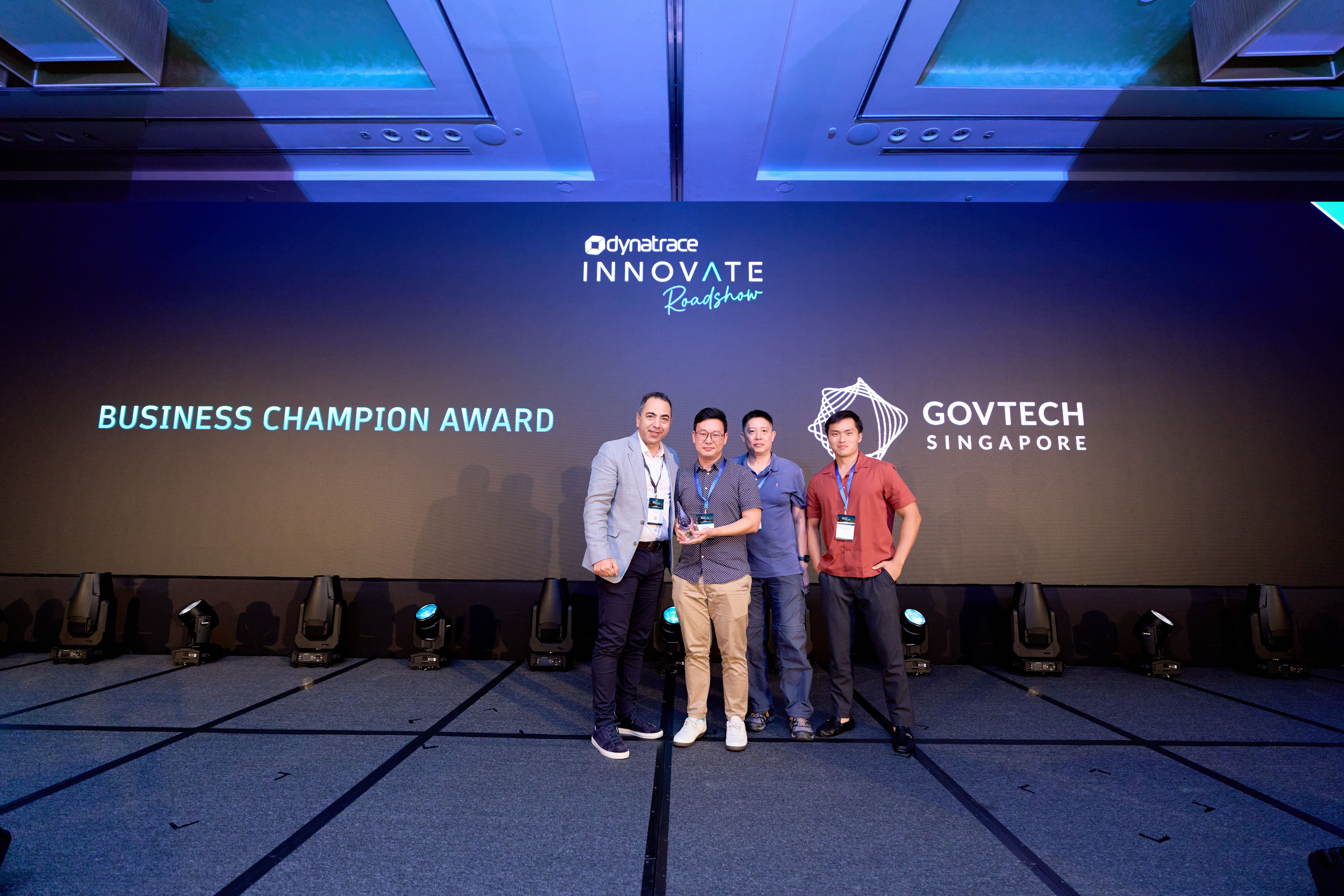
licensing costs while speeding up incident response nationwide.
The Performance Pathfinder Award went to Scoot, recognised for extending observability from its frontend digital experience through backend and third-party systems.
Previous recipients of the awards include Affin Bank Berhad, BDO Unibank, Inc., Bank Negara Malaysia, CIMB, DSTA, Gosoft (Thailand) Co., Ltd., KBTG, Maritime and Port Authority of Singapore, and Metrobank, highlighting the breadth of innovation and digital transformation achievements recognised across the region.
To learn more about the Dynatrace keynote presentations and customer success stories featured at the event, watch the Innovate Roadshow Singapore video on demand: https://www.dynatrace.com/innovate/roadshow/singapore/