
Public health starts at the front door of the house
By Jo Hayes
Health agencies treat illness. Housing agencies manage supply and subsidies. Local authorities enforce standards. Each public agency holds a part of the solution, but few systems connect them around preventative, public health intervention with measurable outcomes.
-1785483226797.jpg)
If prevention is the goal, the front door to better housing belongs inside the public health system. Image: Canva
Every public agency faces a structural challenge: the agency bearing the cost of poor housing is rarely the one with the authority to solve it.
Damp, overheating, overcrowding, pests, unsafe wiring and inadequate sanitation first appear as housing problems.

But their consequences show up somewhere else entirely; in hospital admissions, missed school days, lost productivity at work, increased social care needs, and public spending that keeps climbing without addressing the root cause.
Responsibility is fragmented. Health agencies treat illness. Housing agencies manage supply and subsidies. Local authorities enforce standards. Social services identify vulnerable households.
Each holds a part of the solution, but few public systems connect them around prevention.
One family’s experience makes the cost of that disconnect concrete.
Tammy, a single mother, and her three young children lived in a cold and damp government-funded home in Kawerau, New Zealand. By the time her son turned six, they had made more than 300 hospital visits.
“He was diagnosed with chronic, severe asthma because of the damp and mildew around the house,” Tammy reveals.
Medical care kept treating the symptoms, but it failed to touch the conditions causing them.
Once the family moved into a safe, well-built home through Habitat for Humanity, the hospital visits stopped, the children attended school consistently, and Tammy was able to continue her education and soon / later qualified as a social worker.
Tammy’s story reminds us that housing is not simply a housing issue. Housing should therefore be treated as a preventative public health intervention with measurable outcomes.
Connect health referrals to housing action
New Zealand’s Healthy Homes Initiative shows how this can be put into practice.
Established in 2013 and later expanded nationwide, the initiative supports eligible low-income families to make their homes warmer and drier.
Support can include insulation, curtains, bedding, heating, minor repairs, help with power costs or providing alternative accommodation.
Its most impressive innovation is the referral pathway.
Health professionals can refer eligible households, including families with children who have been hospitalised with housing-related conditions, to housing providers who assess housing needs and coordinate practical support with government agencies and local partners.
A five-year evaluation of the initiative found that hospitalisations per person fell by 18.6 per cent and illness-related school absences by 5 per cent among participating families.
A health encounter can become a route to prevention, rather than ending with a patient returning to the same harmful conditions.
Governments do not need to begin with a nationwide programme.
They can begin with one high-risk population, one district, and a defined set of conditions. The essentials are a referral route, funded interventions, delivery partners, and shared measures of success.
Turn health risks into housing standards
Referrals cannot compensate for an unsafe housing market. Governments also need enforceable minimum housing standards.
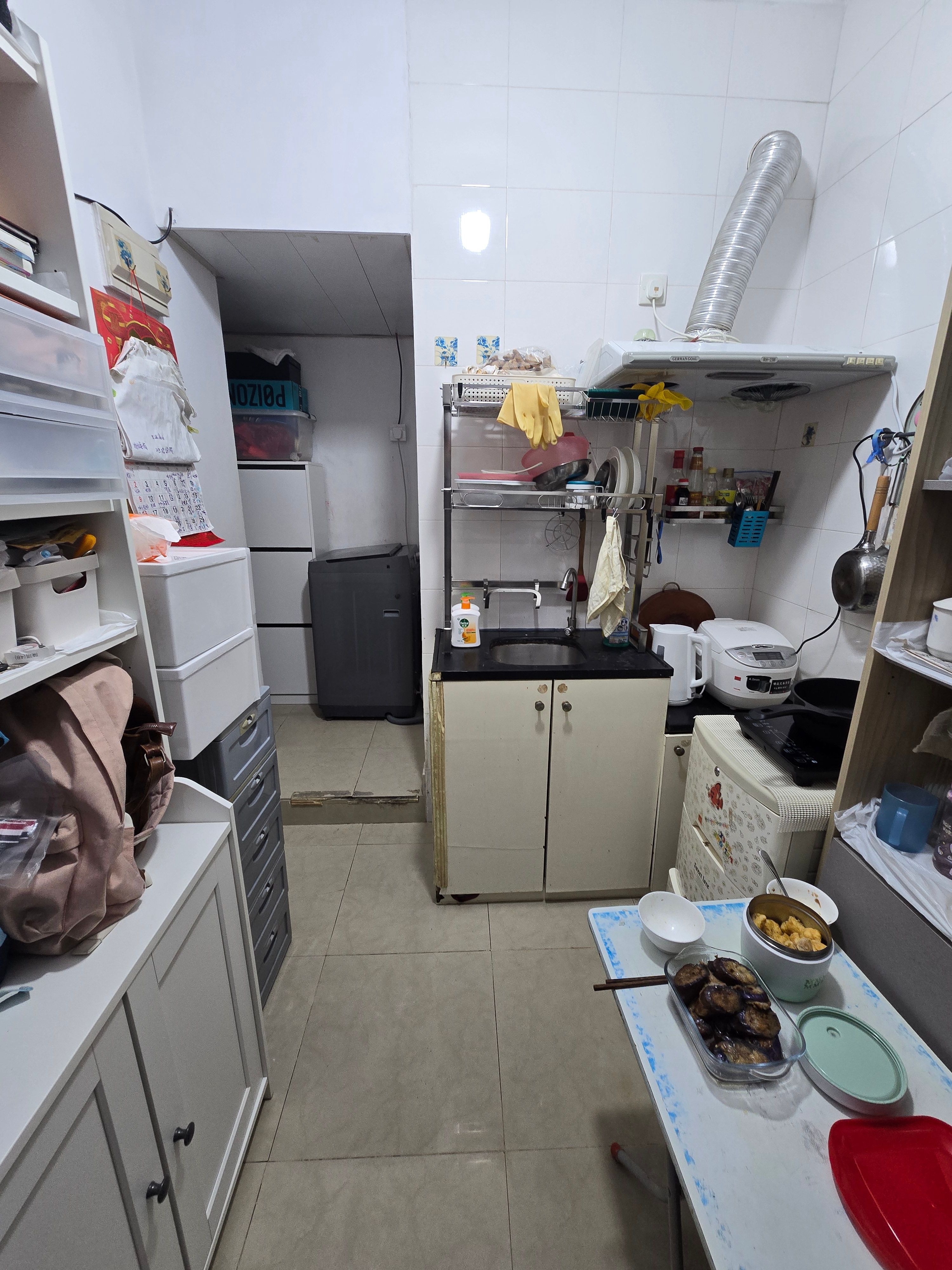
In Hong Kong, many low-income households live in subdivided units (SDUs), dwellings created by splitting a single apartment into multiple small rental units.
The Basic Housing Unit regime, introduced in phases from March 2026, now requires these units to meet standards covering floor area and height, fire and structural safety, a separate toilet, water supply, lighting and ventilation, and separate water and electricity meters.
The new regulations replace vague ideas of ‘adequate housing’ with clear conditions landlords must meet. It recognises that ventilation, sanitation and safety are basic protection, not optional amenities.
Standards should also reflect how housing needs change over a lifetime.
Habitat for Humanity Hong Kong’s Ageing in Place programme assesses risks inside the homes of older public housing residents and provides modifications such as bedside light switches, easier-to-use cupboard handles, grab bars, and assistive technology.
An evaluation of the programme’s pilot year found that participants became less afraid of falling, more confident about avoiding falls at home and more satisfied with their lives after they received age-adapted home modifications, whilst also feeling less stressed.
Ageing in place strategies should help people adapt the homes they already occupy, not just focus on building new ones.
Build a delivery system, not just a policy
Standards and referrals have limited impact if households cannot afford repairs, or if finance, products and delivery capacity are unavailable.
This is where government, finance, and delivery partners each play a distinct, complementary role.
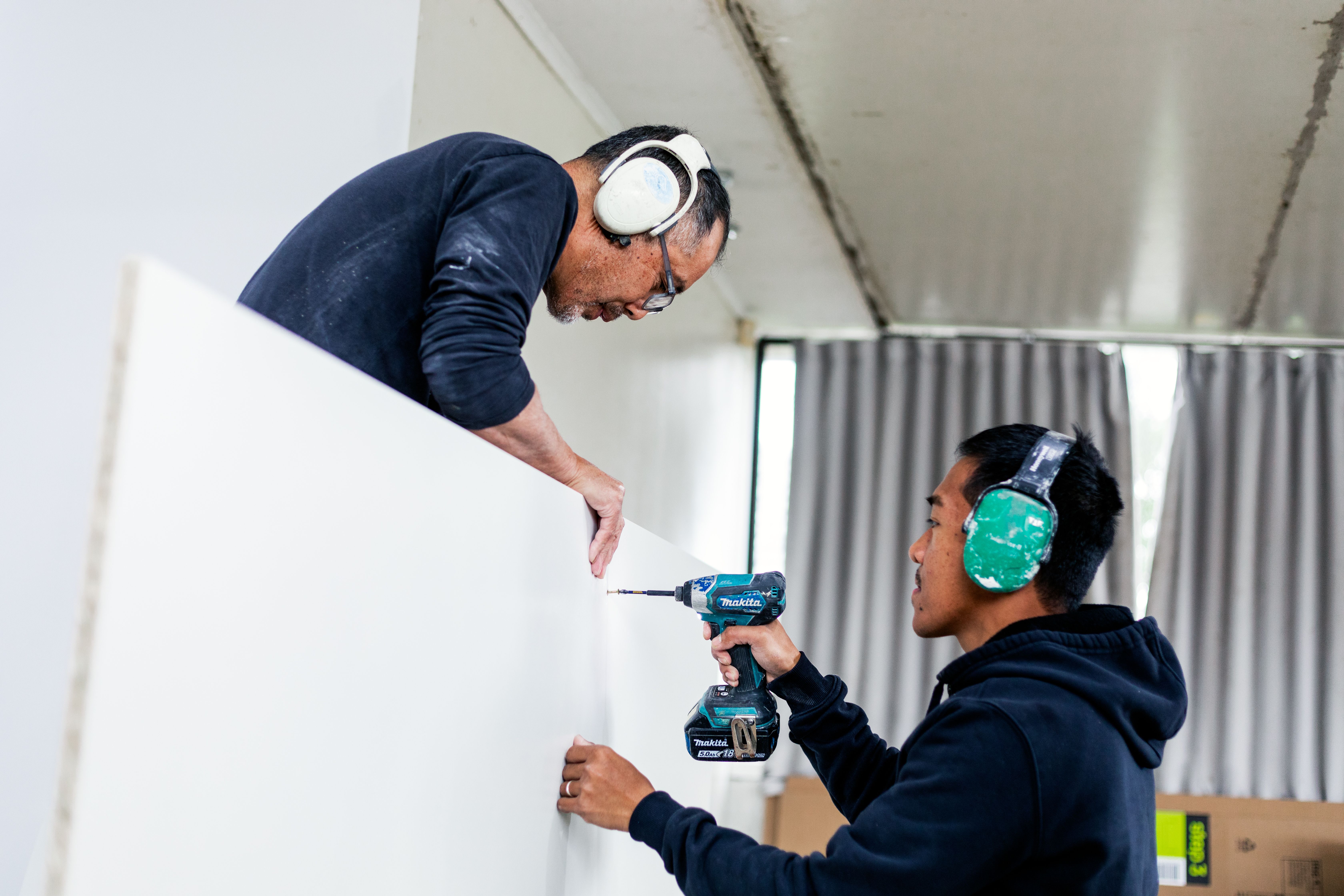
Public agencies can define outcomes, align departments, target subsidies where the health return is greatest and use guarantees, procurement or demonstration projects to reduce risk and create demand.
Banks, social investors, philanthropists, non-profits, and suppliers can provide capital, products and services.
Habitat for Humanity New Zealand’s Home Repair Programme, supported by the Bank of New Zealand (BNZ), offers one example.
BNZ provides Habitat with an interest-free line of credit, while participating homeowners repay the cost of critical repairs and maintenance to Habitat interest-free over five years.
This enables low- to moderate-income households to undertake work they might otherwise defer without the government having to fund or deliver every repair itself.
Governments can make safer choices available, trusted, and affordable, whilst bringing in partners who can finance and deliver solutions at scale.
Start with one shared outcome
A government looking to take action today can ask: which preventable health problem in our jurisdiction is being made worse by conditions in the home?
Agencies can identify the households most at risk, agree on a small, defined set of interventions, build a cross-agency referral process and track outcomes, such as hospital use, school attendance, energy costs and falls.
Safer and healthier homes will not replace hospitals, healthcare workers, or medicines.
But they can reduce the number of people who need them. If prevention is the goal, the front door to better housing belongs inside the public health system.
----------------------------------
Jo Hayes is CEO of Habitat for Humanity Hong Kong. She hosted the inaugural episode of Open the Door, Habitat for Humanity's podcast on housing across Asia-Pacific, available on Spotify, Apple Podcasts, Amazon Music and YouTube.
Since 1976, Habitat for Humanity has supported more than 65 million people around the world build, improve or finance places to call home.
In Asia-Pacific, Habitat has worked since 1983 alongside people of all walks of life to build, repair and finance homes, develop new ways to improve housing access, and advocate for policies that make adequate housing easier to build and access.
To learn more about the Let’s Open the Door campaign and how to get involved, visit www.habitat.org/ap/open-door.

GovInsider is organising Healthcare Day on September 15, 2026, in Singapore. You can find out more about the event and register here.