
The next leap of AI will enhance patient care
By Sol Gonzalez
The advancements of artificial intelligence applications in healthcare have broadened opportunities for innovation in public healthcare with the objective of ensuring continuous and reliable care for patients.
-1760333505997.jpg)
At GovInsider's Healthcare Day 2025, speakers shared how integrating AI in healthcare increased productivity and customised care to fit patients’ needs. Image: GovInsider.
Singapore’s healthcare sector is no stranger to adopting technology to transform and improve operations.
This was evident at GovInsider Live: Healthcare Day 2025, where a series of panels and presentations highlighted how the healthcare sector was integrating technology into traditional processes to build a more future-resilient health ecosystem.
What emerged from the event was that healthcare professionals were rapidly adopting artificial intelligence (AI) agents to streamline clinical workflows and personalise patient care.
In the panel AI and Precision Health – Driving Targeted Public Health at Scale, speakers shared how integrating AI in healthcare increased productivity and customised care to fit patients’ needs.
NHG Health, Health Services and Outcomes Research, Consultant, Dr Ang Yee Gary noted: “With AI you can actually create targeted, personalised messages based on the patient’s preferences, beliefs, and maybe even their personalities”.
Speakers added that contextualising massive amounts of data, such as patient records and medication allergies, for example, is essential to provide this type of personalised care leveraging AI.
The key takeaway was the need for healthcare institutions to establish a strong foundation of data upon which AI could help retrieve insights, generate predictions, and integrate data-driven information into workflows to reach patients in a meaningful way.
To subscribe to the GovInsider bulletin, click here.
First things first: tackling data fragmentation
Every day, healthcare professionals handle copious amounts of data from different sources – be it data from wearables that track your heartbeat, images from scans, or genomic data.
“The first challenge is always about fragmentation. Data is spread across different devices, environments, applications, and storage locations. For AI to power a whole-of-nation healthcare application, we need to think about how we can bring relevant data like patient information, medicine allergies, and hospital visit logs together.” said Elastic’s Senior Manager of Solution Architects for ASEAN, Greater China, and Korea, Samuel Ho.
To understand the full health story of a patient and achieve targeted interventions, connecting all these databases was key.
Traditional consolidation approaches, however, tend to be costly when it comes to moving data between clouds or from on-premises to cloud environments.
To consolidate data from disparate sources, the Elastic Search AI Platform is built for scale and speed. Whether an organisation is indexing billions of logs, hunting threats over years of data or retrieving massive vector embeddings, they stand to benefit from instantly searchable results, AI-driven relevance, and real‑time analysis, noted Ho.
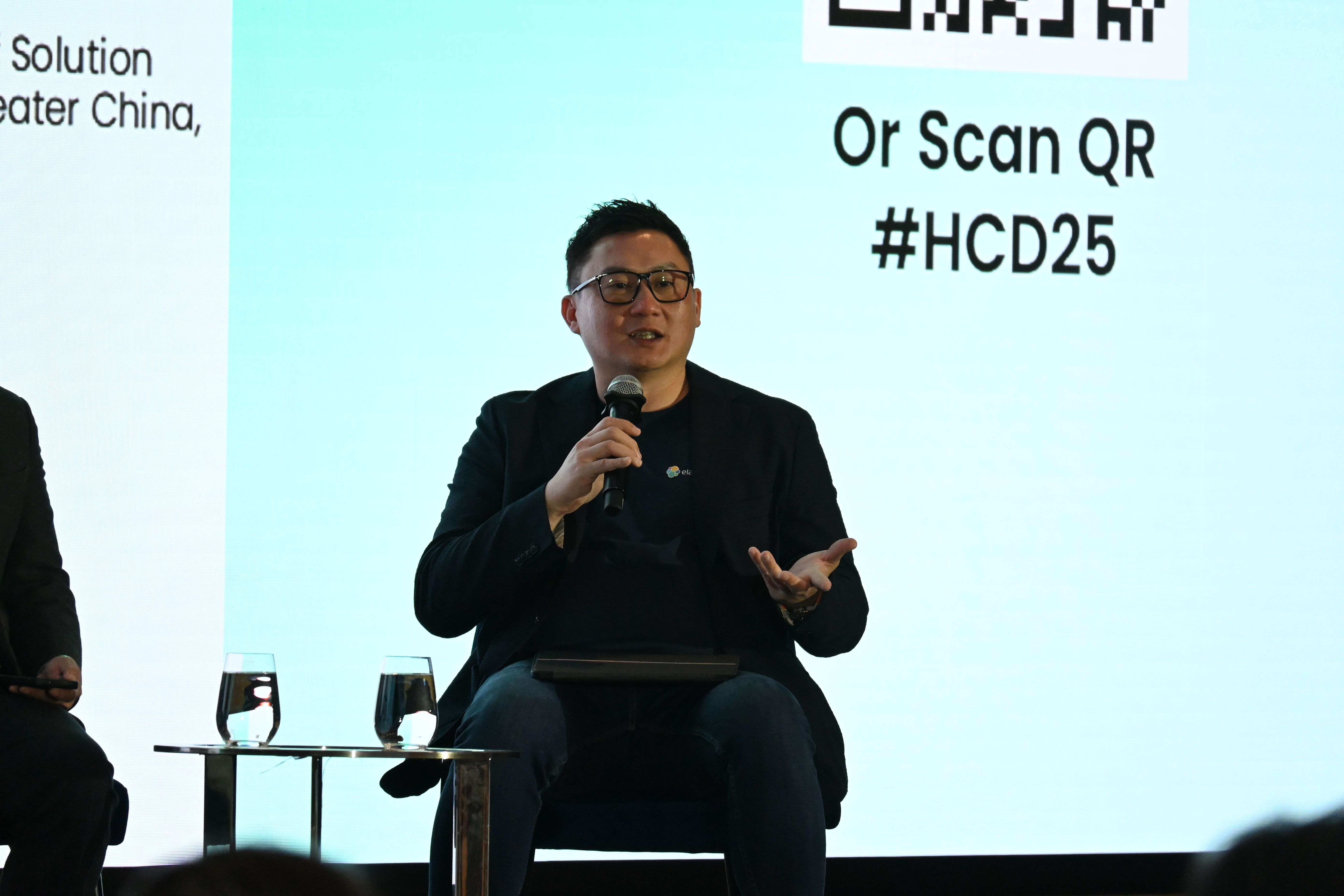
One application of the Search AI Platform would be to create a distributed “data mesh” to help manage data without moving it, allowing real-time searches across disparate systems while maintaining data in original locations, Ho shared.
To manage the massive amount of fragmented data, Ho suggested that enhancing data analysis outputs with Search AI would boost both usability and relevance.
“Once you have all the data, you can provide a common schema where everybody can use a common language to search and find the relevant data and insights for their purposes,” said Ho.
This flexibility would enable healthcare professionals to leverage historical data for searches across multiple environments to find patient records with specific symptoms.
“When you have a good search experience, we come to expect more from the data that we have. Search AI can help to contextualise this data in the context of healthcare and enhance the performance.”
The way to ensuring trust and security
In healthcare, where the well-being of an individual is at stake, there is zero tolerance for mistakes - including those resulting from AI-generated results.
Trust is essential to building AI applications that not only protect sensitive information but also generate accurate insights that align with established clinical guidelines.
Ho noted that consolidating data in its native state could help to preserve accuracy when AI is used.
"Once we keep data as original sources, we typically see accuracy because it means that you do not transform the data,” he said
To subscribe to the GovInsider bulletin, click here.
For cases in which the data was more sensitive, such as genomic data, the speakers alluded to the Five Safes Framework for upholding trust: accreditation, data protection, secure settings, non-disclosure of identifiable information, and safe public-health focused projects.
This was a way of maintaining trust at every step of the process, noted Amazon Web Services’ (AWS) Genomics Industry Leader for APJ, Charlie Lee.
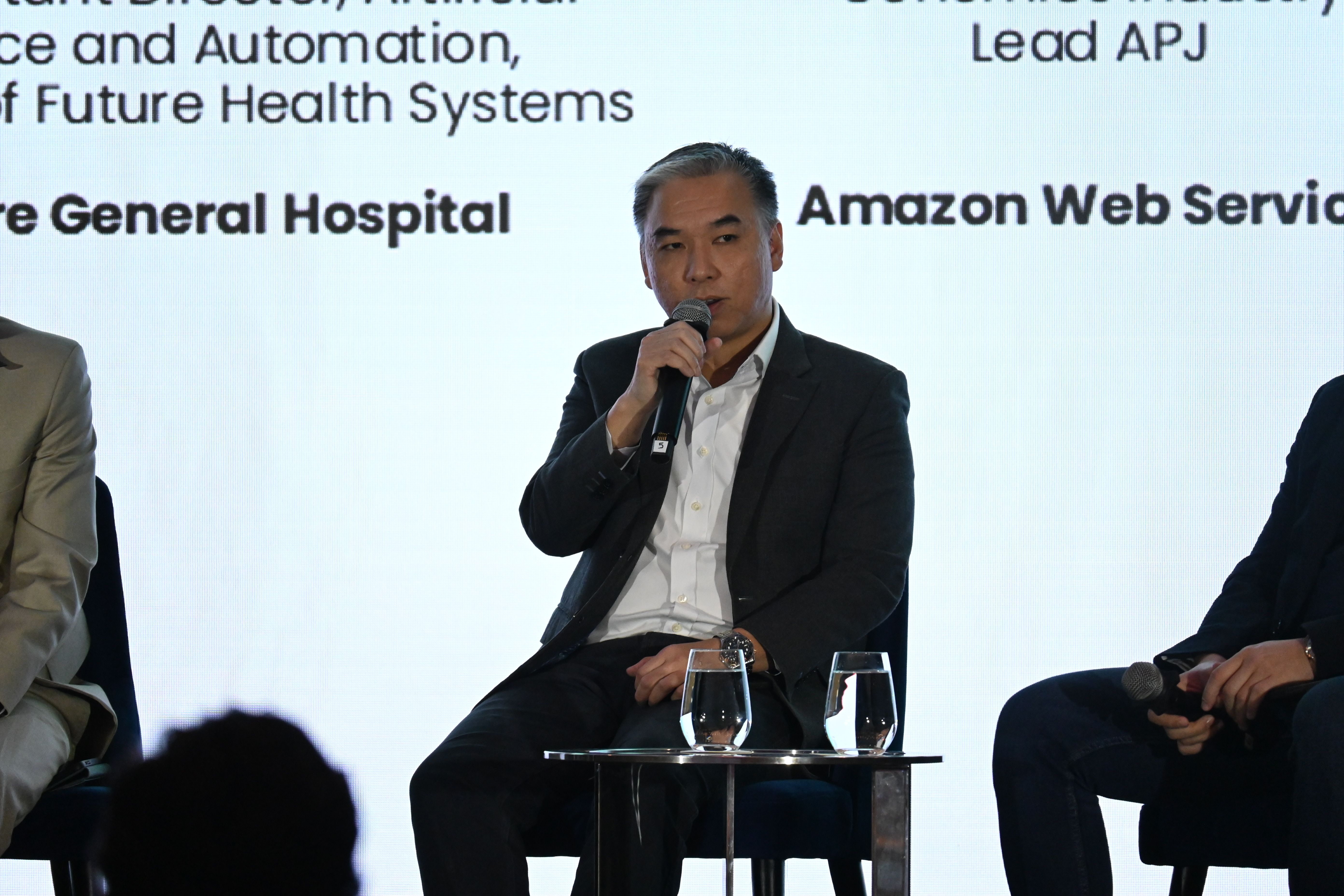
The process started with ensuring that people accessing the data were accredited, trained, and approved. These individuals would then need to provide a purpose as to why they access the data.
The research environment is secured with safe settings that include full auditability and end-to-end encryption. This means the final output must be reviewed to ensure no identifiable information is revealed.
Lastly, this process would be determined safe and trustable when it benefits public health, not personal interests, Lee explained.
“Transparency and trust will bring about collaborations,” Lee added. “That’s why, when you leverage AI, you must ensure that you can explain the results, how the AI uses the data, how privacy is preserved.”
Security and privacy of citizens’ data must also be enforced. Beyond being compliant with security safeguards, they need applications in place to protect sensitive personal information from being compromised by malicious actors.
Organisations must also ensure that guardrails are in place with the AI applications they use, so that only users who require certain information can retrieve it.
For example, a doctor querying a chatbot should be able to use the chatbot to retrieve a patient’s medical records, but an end user should not be able to prompt a chatbot to receive another citizen’s medical allergies or identification number.
Ensuring service uptime
The panellists highlighted the challenges that healthcare delivery faced: achieving efficiency with prompt patient care while striving for resilient applications to reach every sector of the population when they require it.
To ensure that users can access services when they need it, applications must have the capabilities to retrieve data securely and seamlessly to minimise unplanned downtime.
According to Ho, “observability is critical for every application to proactively identify anomalies and do root cause analysis to fix problems to ensure stable performance.
“Through the collection and analysis of data, IT teams can gain insights into the behaviour of applications running in an organisation’s environments or systems.”
Elastic Observability is capable of identifying such anomalies in performance based on insights from an organisation’s data, allowing such issues to be proactively addressed in seconds, not hours.
In Saudi Arabia, for instance, healthcare organisations like Lean are utilising Elastic’s Search AI capabilities for observability to enable rapid diagnosis and cure of system errors.
Lean is a company that empowers the health sector in Saudi Arabia through initiatives and digital products. The company is part of the Healthcare Sector Transformation Programme (HSTP) projects in the country.
The solution enabled robust performance, allowing users to access Lean’s services confidently whenever needed.
Additionally, with Search AI handling the bulk of application performance monitoring, the IT team can spend time developing more customer-facing features.
To subscribe to the GovInsider bulletin, click here.
Healthcare applications of the future
Ho noted that as healthcare innovation continues to focus on providing the best patient care, new opportunities to build intuitive applications with Search AI are emerging through the ability to correlate data.
“The next wave of innovation is really a technology that can bring all this data together, correlate them, and retrieve outputs,” said Ho.
By thoughtfully and intentionally collecting data from every part of the population, it's possible to provide patients with more targeted and personalised care.
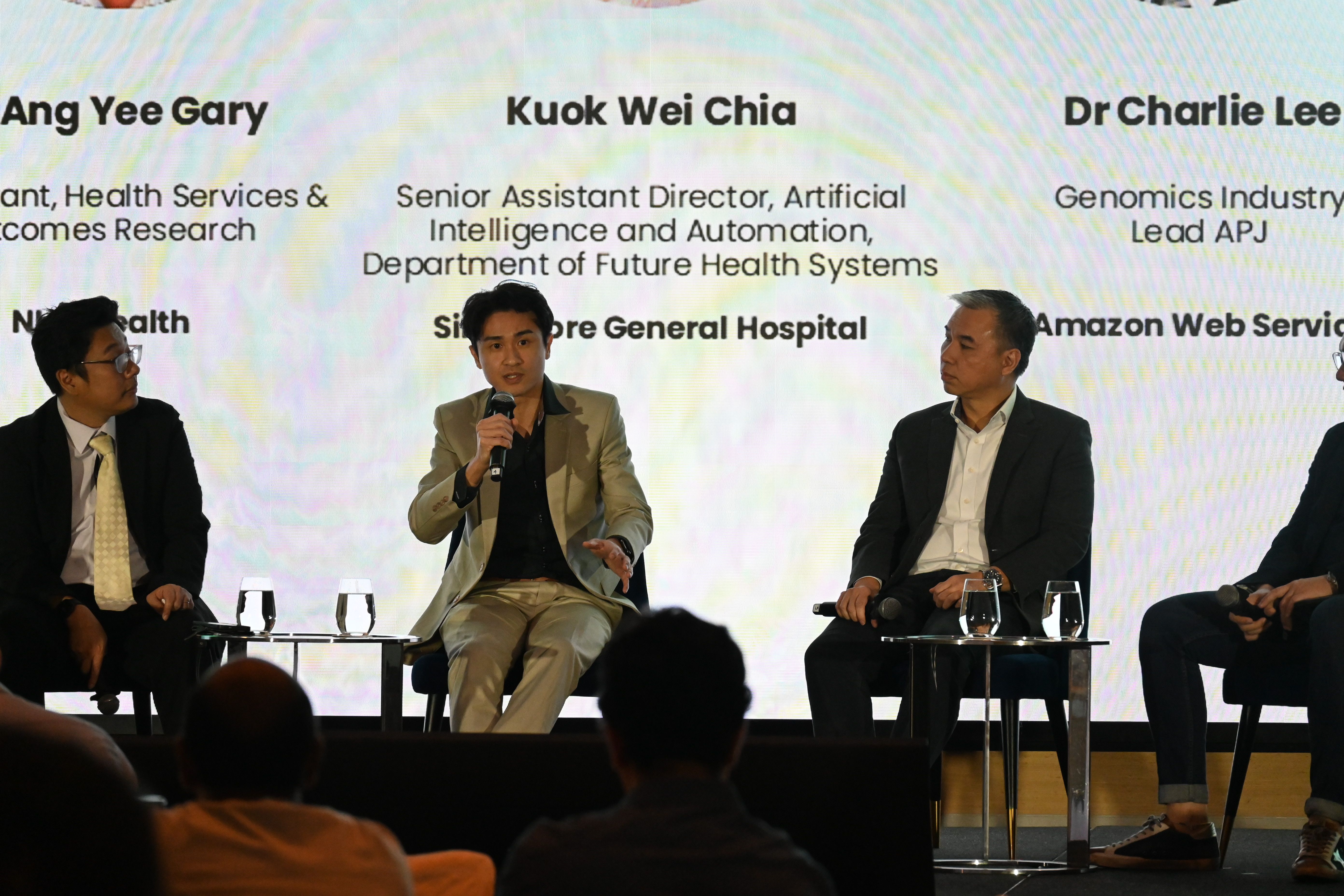
From Singapore General Hospital (SGH), Senior Assistant Director Kuok Wei Chia shared about leveraging AI and existing data to adapt the clinic consultation process for a specific sector of the population: parents of newborn children.
The SGH team developed a digital solution that allowed new parents to complete their babies' first checkups at home, eliminating the need for five to seven time-consuming clinic visits.
“We aim to use smartphones to allow parents to take images of their babies’ skin at home, and the integrated AI [in the solution] does the calibration of the colour to determine their condition and monitor from home,” he explained.
Chia added that the solution is expected to enter clinical trials soon and be rolled out in the next few years.