Video: Sovereign AI is about owning the prompts, data and exit routes
In the first episode of Code the State's Asia podcast series, Pakistani and Maldivian govtech leaders, Mohammad Sear and Mohamed Shareef, break down sovereignty into actionable practices for governments.
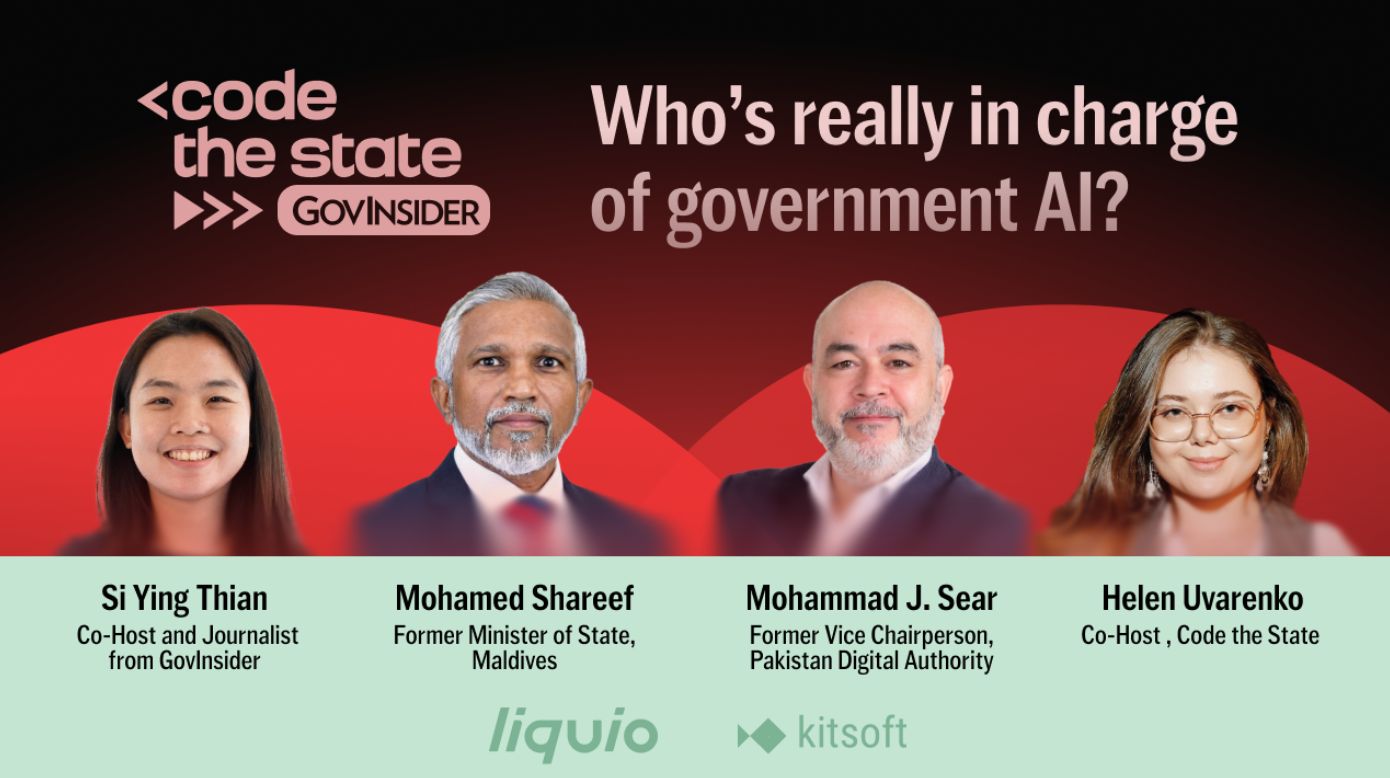
GovInsider and Kitsoft (a Ukrainian govtech company) collaborated on a collaborative series covering Asian govtech leaders for Kitsoft's Code the State podcast. Image: Code the State podcast
The former vice chairperson of Pakistan Digital Authority, Mohammad J Sear, proposed a test for any government using artificial intelligence (AI).
"Run a live drill where you deliberately pull the plug on the vendor's application programming interface (API).
"If your civil servants cannot explain, defend, and manually adjudicate a citizen's case that same afternoon, you can no longer run a government," he laid out crudely.
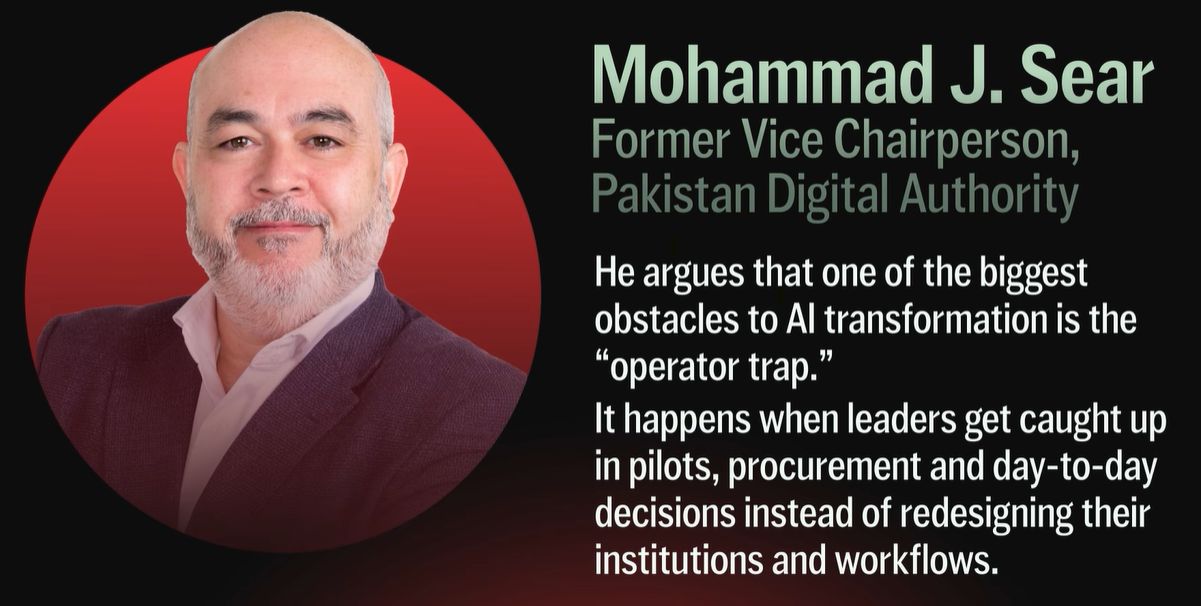
You are simply leasing authority from a technology provider, he emphasised.
But building a frontier model is an arms race governments can't win, with private sector counterparts holding far larger budgets and resources.
AI sovereignty is a set of contract and architecture choices, as underlined by Sear and the former Minister of State at the Maldives, Mohamed Shareef.
Sharing what AI sovereignty means in practice for governments, they spoke on the very first episode of a collaborative series between GovInsider and Kitsoft (a Ukrainian govtech company) on the Code the State podcast.
So, what should a government hold on to? The layers around the model.
Own the prompt chains and context databases
Their first advice is to hold onto what teaches the AI about your government and citizens.
While you can rent computing power and license the model's base weights, "what we must always own is the prompt chains, the fine-tuned contextual databases, the institutional knowledge graph and the exit APIs," said Sear.
A prompt chain is a series of instructions and steps that tells a model how to do a job.
What Sear called "intelligence" are pieces that hold a government's knowledge base, including how it instructs the model, the data it tailors the model with, and a map of how its institutions fit together.
Shareef framed sovereignty in layers.
He explained how a country's local-language layer has to capture more than its mechanics, but also reflect its culture and meaning, as well as how that meaning has changed over the years.
Testing and assurance is another layer a country takes on, along with specialised models for local sectoral needs, he said.
Shareef acknowledged that frontier models allow smaller nations to plug into the global market.
However, governments should focus on building what matters to keep a country's voice in the digital age.
Write the exit into the contract
If Shareef could insist on only one requirement in an AI tender, it would be an exit clause.
This clause sets out what happens to the data, who supports the handover, and what that costs.
Shareef explained what this exit clause looks like in practice, including data returned in open formats, properly documented interfaces, and the price of the transition assistance.
Pointing out the last item as often missing, he highlighted that moving from legacy vendors to AI-enabled ones tends to expose the agency's vulnerability.
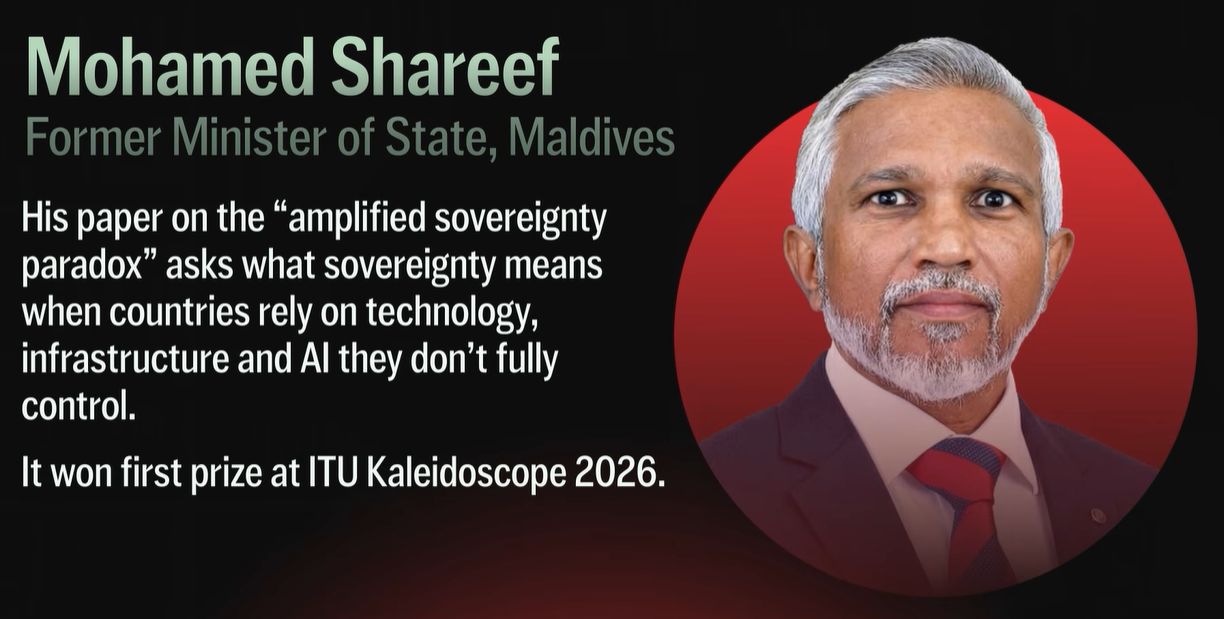
"We cannot expect vendors to 'freely' help us to move from them to somebody else," he said, highlighting the cost of extracting and migrating data which is a constraint on smaller govtech teams.
He pointed to the Prosecutor General's Office's AI strategy as an example, which has written data-return and handover obligations into its vendor agreements.
Beyond a written clause, the project should "test" the exit before an agency actually needs it
A written exit clause isn't enough, he noted. The project should be built so the exit can be tested, before a government needs it.
Sear highlighted procurement as one of the biggest challenges for the public sector for many years.
"I do think we need to move towards sandbox environments to find a different way of procurement and safeguarding some of these things," he added.
Test the model's behaviour
Before an agency lets AI make a consequential decision, vendors should declare where the model fell short like where the model hallucinated or go wrong.
"Everyone tells you the good story," Sear said. "No one tells you all the bad things."
These answers let a government make an informed, calculated decision on whether to choose one model over another.
Shareef added that governments that cannot inspect a model can still inspect how it behaves, using their own population data and language.
He also highlighted the importance of version pinning for governments.
It means an agency stays on the version of the AI model it tested until it chooses to upgrade, so a vendor's update cannot change how decisions are made without notice.
Before a version update, the public service app produces a certain result. After the update, it produces a different result with no human involved.
"The policy has changed, but without any minister," he said.
Governments should get a notice period for the changes, the right to stay on the version they tested, the change log with the version pin, and the right to run regression tests on their own data before moving to a new one, he added.
"When you're thinking of developing digital systems for tomorrow, always think of the power to this. Who decides?" Shareef posed a concluding question to listeners.
Sear closed on his live drill, which he said would give governments "a real wake up call because [governments] cannot become slaves to technology."
You can watch the full podcast episode here: