
Why citizens don’t use digital government services, even when they’re well designed
When digital transformation is reduced to moving existing bureaucracy online, it rarely solves the problem. Instead, it simply changes its form.
-1784706273622.jpg)
Real digital transformation begins with rethinking the process itself and asking a more fundamental question: what actually makes this service difficult for people today?. Image: Canva
Imagine this: a government spends hundreds of millions of dollars on a new digital platform.
Dozens of teams work on the project for years. The platform is officially launched, yet citizens still choose to stand in line at a government office.
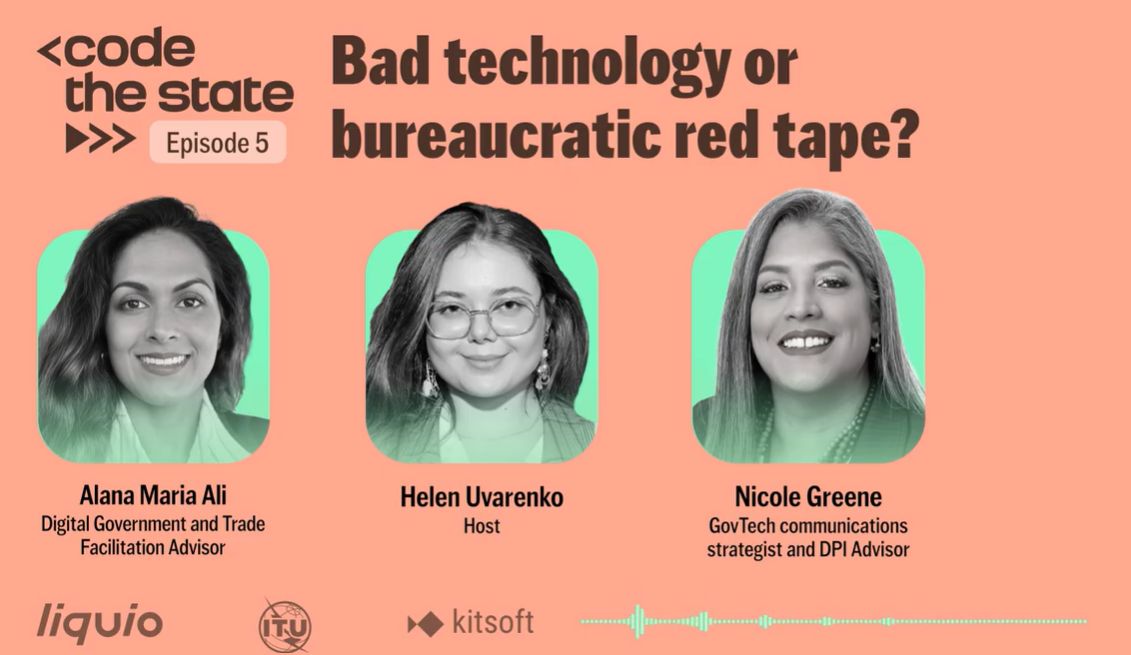
I wrote this article based on conversations with GovTech communications strategist Nicole Greene and digital government advisor Alana Maria Ali in the latest episode of Code the State.
Greene is the Principal Consultant at Nicole Greene Consultancy, and previously headed the Corporate Communications and Marketing function at Trinidad & Tobago’s govtech agency, National Information and Communication Technology Company Limited (iGovTT).
Ali is a Project Manager at UNDP, where she collaborates with stakeholders to integrate open-source practices and methodologies into national digital transformation efforts.
Why does this happen?
At first glance, the answer seems obvious: insufficient funding, outdated technology, or overly complex government procedures.
But a closer look reveals that even modern, technically well-executed digital services often fail to become part of people’s everyday lives.
The problem lies not only in how governments build digital services. It also lies in how people perceive them, how much they trust them, and whether they see real value in using them.
Our conversation once again confirmed that the success of digital transformation is determined by more than technology alone.
More often than not, trust, communication, and a deep understanding of human behaviour make the real difference.
Technology doesn’t fix broken processes
When digital transformation is reduced to moving existing bureaucracy online, it rarely solves the problem. Instead, it simply changes its form.
If people didn’t understand how to access a government service offline, they are unlikely to understand it simply because a paper application has been replaced by a digital form.
If the process remains confusing, a digital interface won’t make it any easier to navigate.
Real digital transformation doesn’t begin with building a new platform. It begins with rethinking the process itself and asking a more fundamental question: what actually makes this service difficult for people today?
Governments compete with the best digital experiences
One of the most interesting observations Greene shared is that citizens don’t compare one government service with another.
They compare government services with the best digital experiences they have: Online banking. Amazon. Travel booking platforms. Food delivery apps.
These experiences shape people’s expectations of every digital service, regardless of whether it is created by a private company or a government institution.
People expect simplicity, clear guidance, confirmation that their application has been received, and transparency about what happens next. When those expectations aren’t met, uncertainty emerges.
And with it comes distrust.
Communication starts before launch
Governments often invest enormous resources in building a digital platform, yet communication only becomes a priority a few weeks before launch.
They launch a marketing campaign. They publish a press release. They release a video tutorial.
But by then, the most valuable opportunity has already been lost — the opportunity to involve people in the process of creating the service.
Trust isn’t built on launch day. It begins long before that.
That’s why strategic communication should start while the service still exists only as an idea.
Through dialogue with future users, testing, feedback, and a willingness to improve decisions before they become final.
Design for more than the average user
Another idea that particularly stayed with me came from Ali: "Design for the hardest user, not the average one."
That means first and foremost thinking about people with limited digital literacy, unreliable internet access, older adults, people who don’t trust government institutions, or citizens who use digital public services only a few times a year.
They are the ones who ultimately determine whether a service is truly accessible. If it works for them, it will work for almost everyone.
Launch is only the beginning
Perhaps one of the biggest mistakes in digital transformation is treating the launch of a platform as the end of the work.
In reality, that’s when the most important stage begins.
How quickly do users receive answers to their questions? Who explains what to do when something goes wrong? How quickly does the team learn about problems and improve the service?
A platform is not the final product. The real product is a high-quality public service that works reliably, continuously improves, and earns citizens’ trust.
The future of digital transformation is not about technology
After this conversation, I became convinced once again that governments rarely fail because they lack modern technology.
Far more often, they fail because they overlook human behaviour.
Because digital services are designed around the internal logic of government institutions rather than people’s real experiences. Because communication begins only after launch. Because success is measured by the number of platforms built instead of the number of people who actually choose to use them.
Technology makes digital government possible. But trust, intuitive user experience, and a genuine focus on citizens’ needs are what ultimately determine whether it truly works.
The article was originally published on Kitsoft Insights here, and edited.
----------------------
The author is the International Program Lead at the Ukrainian govtech company, Kitsoft, and host of the Code the State GovTech podcast.