-1783304403050.jpg)
Teo Yi Heng, Senior Manager, International Relations, Policy & Strategy, International, Infocomm Media Development Authority of Singapore
Meet the young public sector officials in the inaugural Young & Official Report 2026.
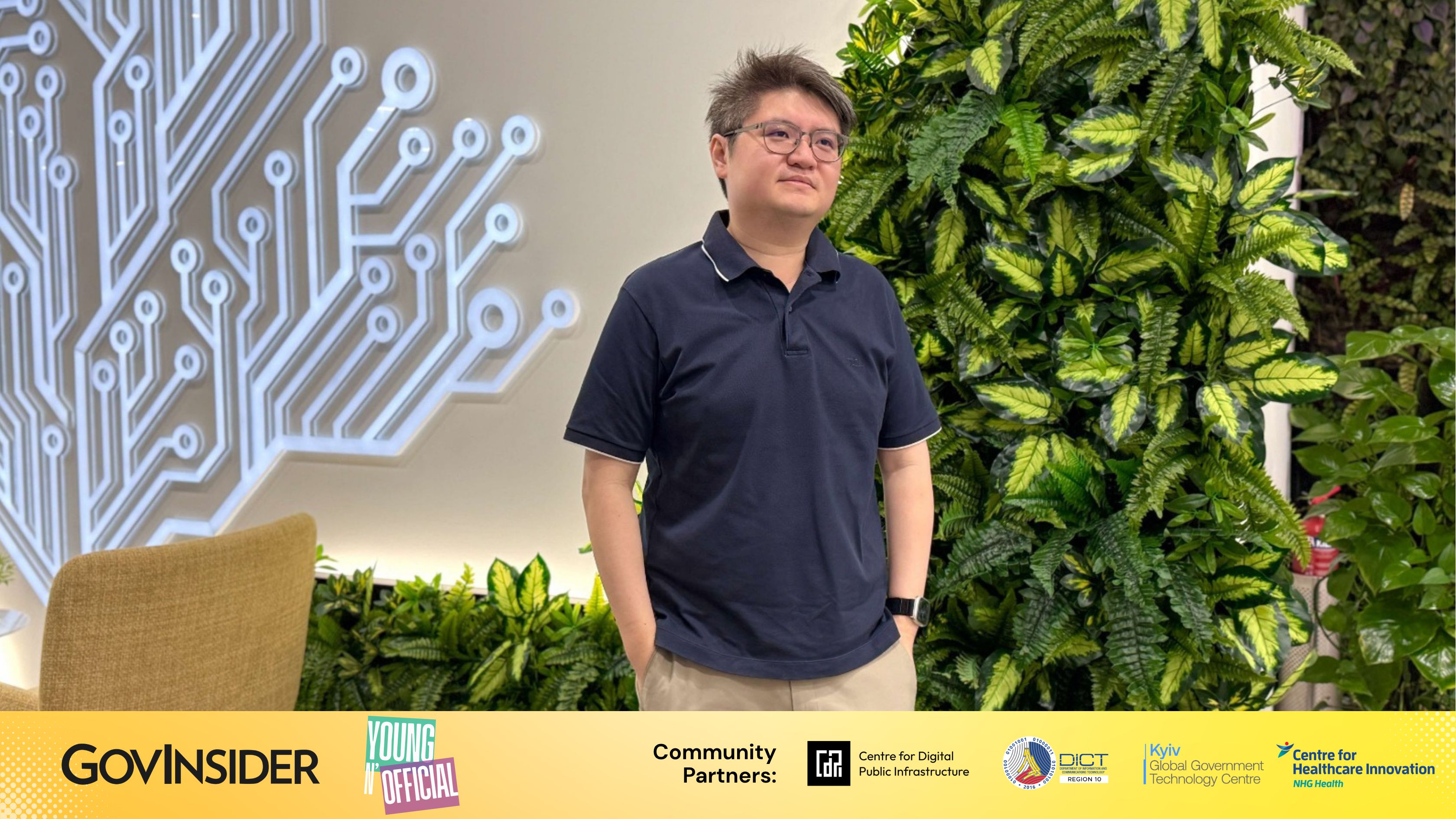
Teo Yi Heng, Senior Manager, International Relations, Policy & Strategy, International, Infocomm Media Development Authority of Singapore. Image: IMDA.
1) What does public service mean to you? Can you share more about your role in the public sector?
At its core, public service means working toward a goal that goes beyond a corporate balance sheet. It is about making sure our digital future actually works for everyone, not just those who can afford it.
Currently, I work in international relations, at the Infocomm Media Development Authority of Singapore (IMDA) where I connect people and share our digital policies and tech innovations with overseas counterparts so we can build better cross-border standards together.
Before this, I spent six years in policy work dealing with everything from electronic transactions to digital infrastructure security.
That taught me that government intervention shouldn't stifle growth; instead, our job is to build robust, reliable digital infrastructure that gives the private sector a level playing field and the room they need to innovate.
Good policy creates the trust needed to make technology safe and useful for the average citizen.
2) Tell us about a project you championed. What impact did it have on the community?
During the Covid-19 pandemic, I was deployed to augment our national digital readiness efforts.
I led a small team managing the massive surge of applications for subsidised broadband and laptops, which were critical to supporting low-income students with e-learning.
Coming from a policy and strategy background, this operational role was incredibly eye-opening.
It allowed me to see the immediate, tangible benefit that government intervention brings to vulnerable communities during a crisis.
I was grateful that even as a young officer, I could use my technical knowledge to streamline our workflows.
By automating several repetitive, manual tasks in the application screening process, our team significantly reduced processing times.
3) As a young professional, how has your unique background or perspective allowed you to identify a solution that others in your organisation might have overlooked?
I have a background in both engineering and social science, which means I like looking at problems from both a technical and a human angle.
It makes me naturally want to fix clunky processes, question old ways of doing things, and see where tech can actually help.
As a younger officer, I’m probably a bit more eager to experiment with new tools to save time.
For example, when I noticed how time-consuming it was to cross-reference dense legal and trade documents, a small team and I built a simple artificial intelligence (AI) bot to handle simple queries and do much of the heavy lifting.
4) What is your personal strategy for staying motivated when managing heavy workloads and tight deadlines?
I was taught by a good mentor the value of prioritisation.
As my workload increases with my job scope, I spend some time every night listing out the things that need to be done by me and my team the next day, so I can prioritise things and ensure deadlines are kept.
Weirdly, even after trying several digital tools, I find that doing it with pen and paper seems the most effective.
There is some degree of irony there.
5) If you had just one area to invest in to accelerate transformation in the public sector (regulation, technology, talent, etc.), which one would you choose and why?
I’d invest in talent, specifically in training people to challenge legacy workflows.
You can buy the best technology in the world, but if your organisational culture forces people to use new tech to replicate 30-year-old manual processes, you haven’t actually transformed anything.
We need to equip public servants with the skills, and more importantly, the psychological safety, to look at outdated systems and redesign them from scratch.
When you give people the freedom to question old red tape and the basic technical know-how to automate their own workflows, transformation happens naturally from the ground up, rather than being forced from the top down.
6) What is a “universal value” that connects everyone in your department – from interns to directors – and how do you use that to drive collaboration?
This might sound counterintuitive, but because everyone is incredibly busy, the collective desire to reduce our workload is actually a great unifier.
Instead of focusing on lofty ideals, collaboration works best when you ask a practical question: "How can I get what I need, while also making things easier for the other person?"
When you approach projects this way, you naturally start building cleaner workflows, sharing useful templates, or cleaning up data before passing it on.
It stops collaboration from feeling like you're adding to someone else's to-do list and turns it into finding a shortcut that helps both sides.
The shared desire to achieve more while working less is a great motivator.
7) What is the best piece of advice you’ve got for the next generation of public servants?
First, don’t drink the kool-aid.
We should absolutely take pride in what we’ve built, but pride can easily turn into complacency.
The moment we start believing our own hype is the moment we stop evolving and miss new challenges.
Second, don’t follow processes blindly.
Most rules in government exist for a good reason, like protecting citizens or making sure taxpayer money is spent wisely. But some processes are just there because nobody has questioned it.
Our job isn't to tear everything down, but to ask why things are done the way they are. Learn to spot the difference between an important safety guardrail and old, useless red tape, and don't be afraid to speak up if you find a smarter way to do things.