
Abidova Nozima, Lead Engineer, Electromagnetic Compatibility Analysis Service, Unicon.uz, Uzbekistan
By James Yau
Meet the Women in GovTech 2025.
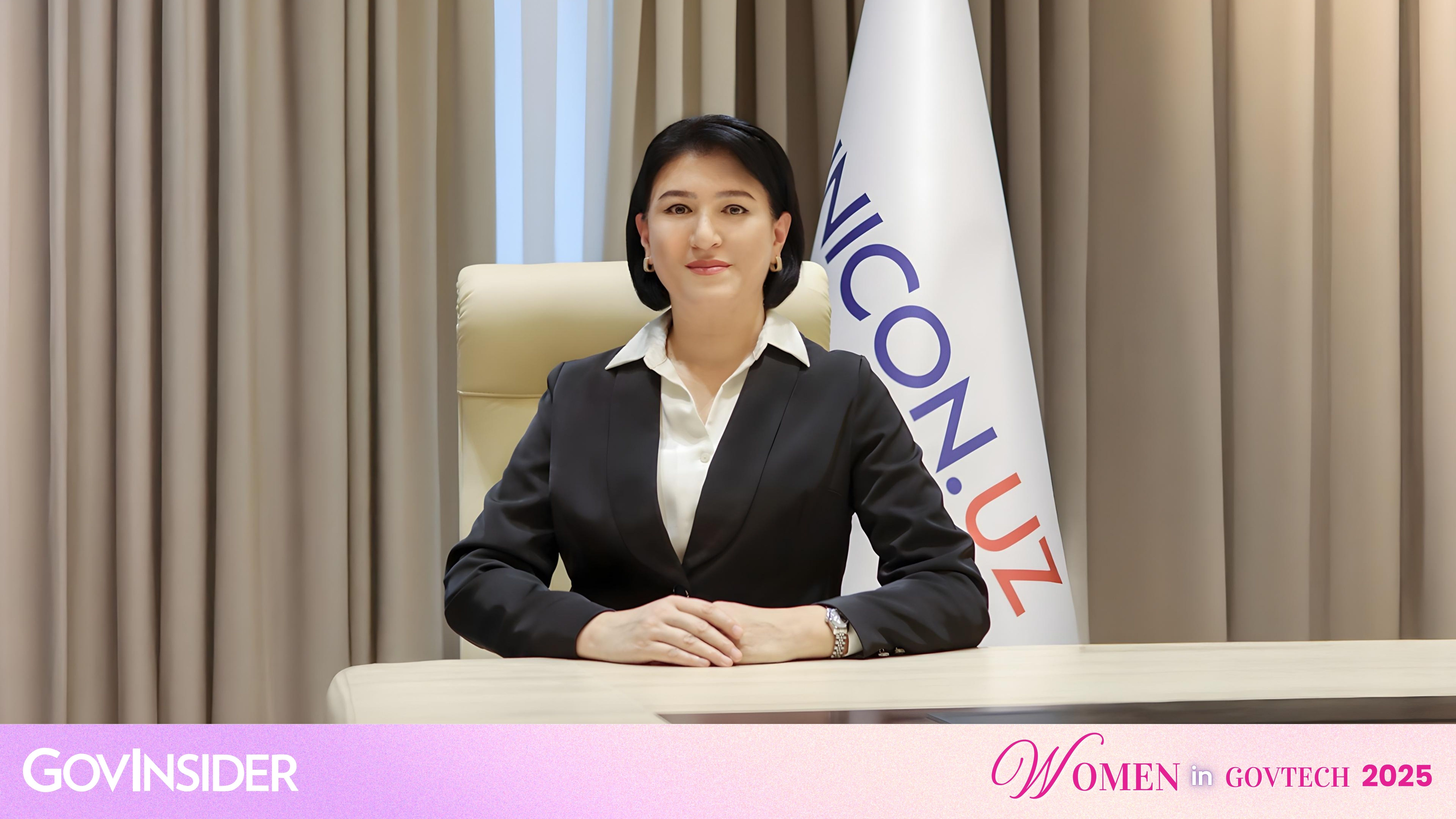
Abidova Nozima, Lead Engineer, Electromagnetic Compatibility Analysis Service, Unicon.uz, shares about her journey. Image: Abidova Nozima
1) How do you use your role to ensure that technology and policy are truly inclusive?
My mission is to unite Science And Humanity. When we design technology, we are actually designing living conditions for people. I see technology as a bridge between the state and society.
When digital systems operate reliably, information is accessible to everyone, and decisions are made with the needs of society in mind, this is true inclusivity. It is important to remember that innovation is not for the sake of progress, but for the sake of people.
Every development, every solution in digital technology is not just a step forward in technical progress, but a contribution to creating an environment where technology serves people.
Technology should not replace humanity, but rather enhance it, creating a space where knowledge and data function in harmony. After all, it is technology that is becoming the language in which the state speaks to its societies - the language of efficiency, trust, and responsibility.
2) What’s a moment in your career when you saw firsthand how technology or a new policy changed a citizen’s life for the better?
Modern technologies are no longer just automation tools.
Today, a unified system of capabilities, where artificial intelligence, big data, cloud solutions, and intelligent processes are united for one strategic goal: making government services closer, more transparent, and more understandable for every citizen.
When people can access the services they need without barriers, when digital infrastructure works reliably, and when data is used openly and responsibly, technology ceases to be an abstract concept.
It is becoming an ally of human progress, a tool that not only increases efficiency but also builds trust, creates equal opportunity, and brings us closer to a human-centred society.
3) What was the most impactful project you worked on this year, and how did you measure its success in building trust and serving the needs of the public?
This year, one of the most significant stages of my professional development was participation in the international 'Seminar on Governance Experience Sharing for Developing Countries'.
This programme provided a unique opportunity to exchange experiences with representatives from various countries, explore modern approaches to digital public administration and sustainable development systems, and present Uzbekistan's achievements in digital transformation.
As part of the programme, we discussed mechanisms for implementing artificial intelligence, big data, and intelligent analytical platforms into the public administration system.
Technological solutions, when properly designed, can improve the quality of life for citizens, accelerate management decision-making, and strengthen trust between society and government institutions.
4) What was one unexpected lesson you learned this year about designing for real people? This can be about a specific project or a broader lesson about your work.
This year has been a period of professional growth for me and a profound understanding of the role of people in digital transformation.
While completing my studies at the Higher School of Business and Entrepreneurship under the Cabinet of Ministers of the Republic of Uzbekistan in project management, I came to an important conclusion: for real people, success begins not with technology, but with an understanding of human needs, context, and behaviour.
I used to think of design primarily as structuring processes, managing resources, and achieving goals. However, training and working on practical cases have shown that even the most precise plan is worthless if it doesn't take into account the human factor - how people interact with the system, how they perceive convenience, transparency, and trust.
5) We hear a lot about AI. What's a practical example of how AI can be used to make government services more inclusive and trustworthy?
Artificial intelligence is a tool that can teach the state to be more attentive. It's important that AI not replace humans, but rather enhance their potential. When technology enables us to understand society's needs more quickly and accurately, it's not just innovation; it's a sign of responsibility and care.
In the right hands, AI becomes not a machine, but a partner in human progress.
To subscribe to the GovInsider bulletin, click here.
6) How are you preparing for the next wave of change in the public sector? What new skill, approach, or technology are you most excited to explore in the coming year?
I pay particular attention to the role of modern technologies in the development of a green economy, where innovation and digital solutions contribute to the efficient use of resources and a reduced environmental impact.
7) What advice do you have for public sector innovators who want to build a career focused on serving all citizens?
Listen to people and believe in the purpose of your work. The public sector isn't about paperwork, it's about trust. Your idea may seem small, but if it solves a real problem, it's already big.
Innovation in the state isn't a technology race; it's a marathon of human stories. Every engineer, analyst, or researcher who makes the system simpler makes the country stronger.
Don't be afraid to make mistakes. The only thing you should be afraid of is to stop believing that technology can change lives.
8) Who inspires you to build a more inclusive and trustworthy public sector?
I'm inspired by the female engineers I work with. They combine the precision of mathematics with the warmth of humanity. Together, we prove that technology can be feminine - it can not only control, but also feel.
I am mostly inspired by people who are solution-focused and believe in a better future.
9) If you had an unlimited budget, what would your dream project be?
My dream project would be to create a Global Techno-Ecological Platform where technology and nature exist in harmony.
I see it as an intelligent system that combines artificial intelligence, satellite data and digital ecosystems to monitor natural resources, restore ecosystems and prevent environmental risks before they occur.
10) Outside tech, what excites you the most?
Besides technology, I am concerned about the ecology of space and the future of satellites surrounding our planet.
Today, Earth's orbit is becoming a new space of responsibility, and it is important that the development of satellite systems be accompanied by careful attention to the environment, the prevention of space debris, and the preservation of the sustainability of orbital resources for future generations.