
Amy Tan, Director, Sector Technology Services Management, Business Change and Adoption, Synapxe, Singapore
Meet the Women in GovTech 2025.
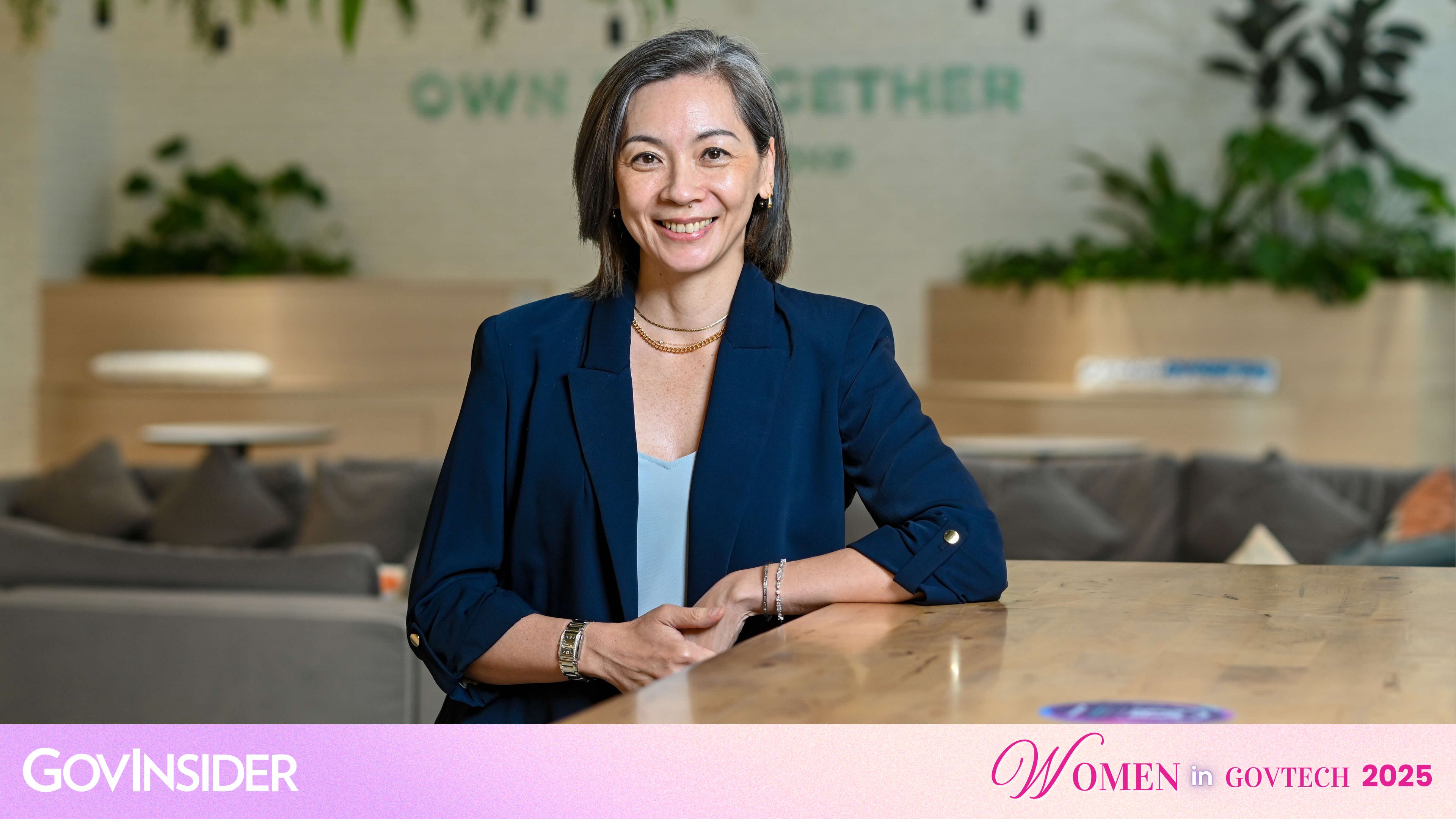
Amy Tan, Director, Sector Technology Services Management, Business Change and Adoption, Synapxe, Singapore, shares her life's journey. Image: Synapxe.
1) How do you use your role to ensure that technology and policy are truly inclusive?
Inclusivity, to me, is not defined by the technology or system features alone - it is defined by whether people across different roles, digital confidence levels, and institutions can use those features meaningfully.
In my role, I focus on the user experience behind every healthcare technology rollout. That means bringing clinicians, operational staff, administrators, and partners into the journey early, listening to their realities, and making sure policies and workflows are translated into practical practices and support structures that matter on the ground.
When people feel heard, prepared and supported, technology becomes far more inclusive and far less intimidating.
2) What’s a moment in your career when you saw firsthand how technology or a new policy changed a citizen’s life for the better?
My work often impacts citizens indirectly, through the healthcare professionals we support.
One example that stayed with me was when a senior general practitioner (GP) switched from pen-and-paper to an electronic medical record system.
Most GPs his age resisted digitalisation, but he persevered throughout the transition period, driven by his belief in the benefits of digitalisation.
We stayed alongside him every step of the way and saw how he lit up when he learned that even simple features, like being able to check drug interactions, can support him in making clinical decisions and delivering safer care to his patients.
There was no turning back to pen-and-paper!
3) What was one unexpected lesson you learned this year about designing for real people? This can be about a specific project or a broader lesson about your work.
This year reinforced a simple but powerful truth: people rarely resist technology — they resist the story they tell themselves about how it will impact their work and lives.
When we take the time to reshape that narrative through engagement, empathy, and clear support systems, adoption can become a more seamless and natural process.
It reminded me that designing for real people goes beyond just workflows and interfaces.
It involves understanding their emotions, fears and habits. It is crucial for users to feel confident and respected during times of change, acknowledging that their concerns are valid and that they are supported through this journey.
4) How are you preparing for the next wave of change in the public sector? What new skill, approach, or technology are you most excited to explore in the coming year?
Digital transformation is accelerating, and I am preparing by embracing insights gained from data-driven changes.
I am particularly excited about exploring intelligent readiness tools that utilise data and AI to identify potential friction areas before they surface.
This proactive approach will enable us to design targeted interventions early on.
5)What advice do you have for public sector innovators who want to build a career focused on serving all citizens?
In healthcare, it is essential to start by genuinely listening to the people you serve.
Ground yourself in the realities of frontline staff and citizens, not just in the system or policy.
Focus on the problem and what you hope to address and the outcomes you hope to achieve, rather than jumping straight to the solutions.
To subscribe to the GovInsider bulletin, click here.
Keep empathy at the centre of everything, because technology can change rapidly, but human behaviour takes time to evolve.
If you can stay curious, humble, and people-centred, you will build a meaningful career that truly serves.
6) Who inspires you to build a more inclusive and trustworthy public sector?
Healthcare professionals on the frontlines inspire me every day.
Their commitment to providing safe and dignified care, often under intense pressure, reminds me that every system change we support must ultimately make their work easier and their patients’ lives safer.
Their dedication grounds my work and keeps me focused on inclusivity and trust, not as abstract concepts, but as lived experiences.
7) If you had an unlimited budget, what would your dream project be?
My dream project would be a system that makes sure no one is invisible.
With the right data and community touchpoints, we could identify people who need extra help sooner and provide them with timely and meaningful support.
8) Outside tech, what excites you the most?
I enjoy anything that blends creativity with human connection — designing experiences, shaping narratives, crafting workshops, building communities and bringing people together in meaningful ways.