
Ang Jia Xi, Assistant Director in the Emerging Technologies team under the Strategy & Planning Division, Cyber Security Agency of Singapore
Meet the young public sector officials in the inaugural Young & Official Report 2026.
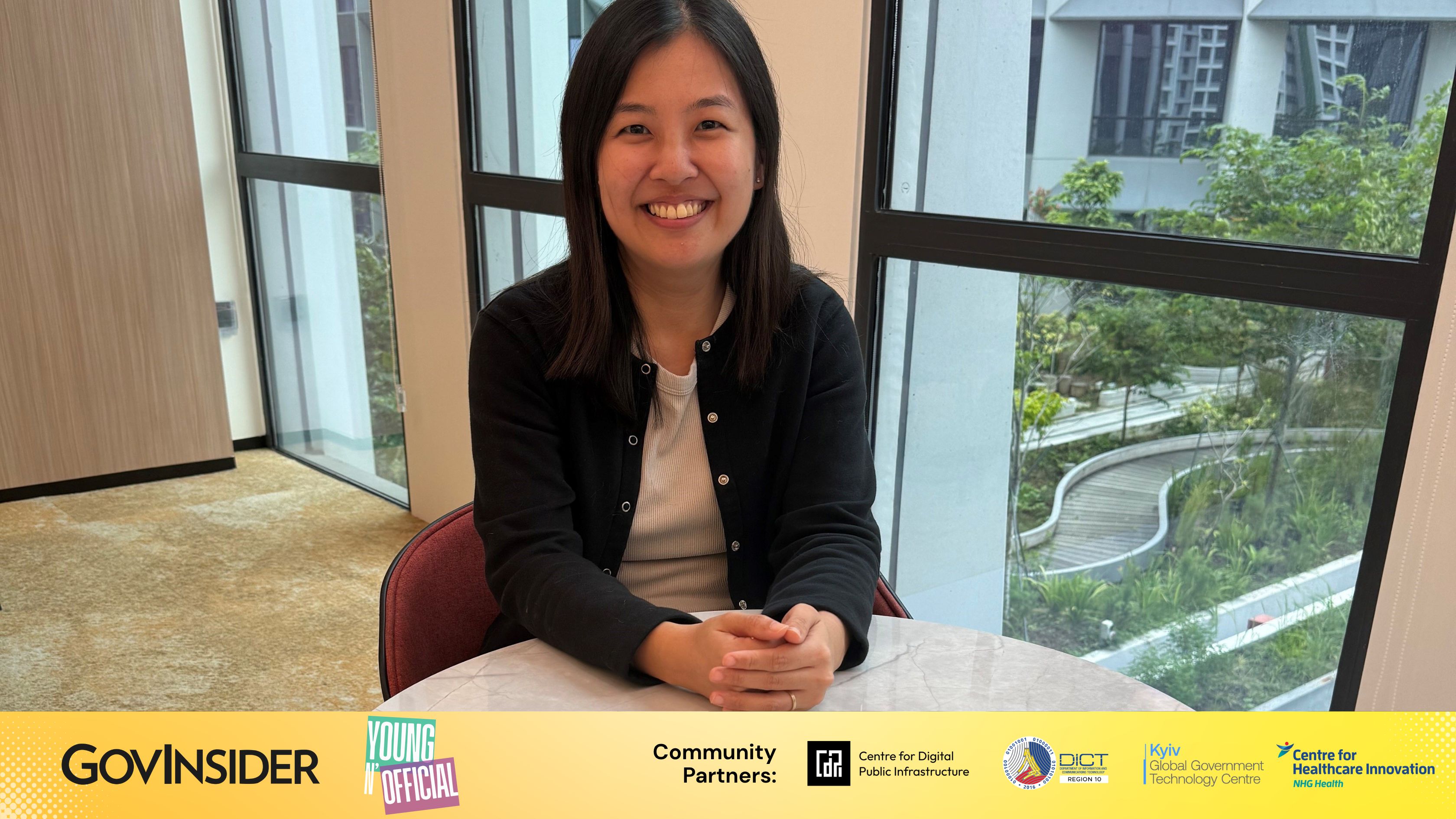
Ang Jia Xi, Assistant Director in the Emerging Technologies team under the Strategy & Planning Division, Cyber Security Agency of Singapore. Image: CSA.
1) What does public service mean to you? Can you share more about your role in the public sector?
To me, the public service is about living out our core values of integrity, service and excellence. It is about acting in the public interest and constantly striving to deliver better outcomes for Singaporeans.
I am currently an Assistant Director in the Cyber Security Agency of Singapore's (CSA) Emerging Tech team.
I work at the intersection of cybersecurity, artificial intelligence (AI) and policy, helping the government understand and prepare for emerging technology risks.
A big part of my role involves working with different stakeholders to develop practical strategies that help Singapore keep pace with evolving cyber threats.
2) Tell us about a project you championed. What impact did it have on the community?
One project I am currently helping to drive is the adoption of AI for cybersecurity in Singapore organisations. The goal is to support organisations in exploring how AI can strengthen cyber operations, such as security testing and vulnerability management.
Today, much of the focus around AI adoption is understandably on productivity and business use cases.
We want to make sure cyber defenders are also able to benefit from these technologies, especially as cyber threats continue evolving quickly.
AI is rapidly changing the cyber landscape; it is important to accelerate experimentation and build practical experience early. This helps to better position Singapore organisations to adapt quickly to new, emerging cyber threats.
3) As a young professional, how has your unique background or perspective allowed you to identify a solution that others in your organisations might have overlooked?
My background has been fairly cross-disciplinary, which has shaped how I approach problems. I trained as an engineer, spent time in cyber operations, and also worked in policy roles across different ministries. That experience has helped me become more comfortable bridging technical and policy conversations.
As a younger professional, I also think I am more comfortable asking questions and challenging assumptions respectfully, especially in fast-moving areas like AI where there may not always be an established playbook yet.
4) What is your personal strategy for maintaining your creative energy when faced with bureaucracy?
I try to stay curious outside of work. I read quite widely, especially science fiction, and recently started preparing for the Offsec Certified Professional (OSCP) certification to deepen my technical cybersecurity skills.
I also focus on small practical wins.
In government, meaningful change often happens gradually, so I think it is important to build momentum step by step.
5) If you had just one area to invest in to accelerate transformation in the public sector (regulation, technology, talent, etc.), which one would you choose and why?
I would invest in strengthening our cyber foundations and operational infrastructure.
A lot of exciting AI for cyber efforts depends on getting the basics right first, such as having good telemetry and strong operational workflows.
Before my current role, I worked in an operational role in cyber threat intelligence, and it gave me a greater appreciation for how important these foundations are.
Even when working on smaller AI pilots today, I try to think about how they can eventually scale into day-to-day cybersecurity operations.
6) What is your greatest ambition as you grow in your public service career?
I hope to play a part in helping Singapore navigate major technological shifts thoughtfully and securely.
I do not think any one person can “solve” these challenges, but I hope to contribute meaningfully by helping connect different perspectives, asking the right questions, and building practical solutions that make a real difference over time.
7) What is a “universal value” that connects everyone in your department – from interns to directors – and how do you use that to drive collaboration?
I think there is a shared understanding that we are all figuring things out together. Cybersecurity and AI are constantly evolving, so people tend to be quite open to learning from one another, whether they are interns or directors. I think that openness makes collaboration much easier.
8) What is the best piece of advice you’ve got for the next generation of public servants?
Stay curious. The world changes too quickly to rely only on what you already know. You should always be building new skills and perspectives so that you continue bringing something valuable to the table.
9) What is a myth you wish to debunk about young public servants?
That young public servants are all the same, or that we all fit a certain stereotype of being very formal, risk-averse or “cookie-cutter”.
The public service is incredibly diverse, and people work on very different kinds of problems and missions.
People bring different experiences, motivations, and perspectives into public service, and I think that diversity is one of its strengths.
10) Write a letter to your future self in 2035. Please keep it within 200 words.
Hi there,
I hope you kept saying yes to things that scared you a little. I hope you stayed open-minded and remembered that expertise is useful, but humility is probably more important in the long run.
Also, if you have started using corporate jargon like “boil the ocean” unironically, please stop immediately. The whole point was to make complicated things simpler, not more complicated.
Best regards,
Your past self.