
Dildora Tursunova, Director for Strategic Development, Uzinfocom, Uzbekistan
By James Yau
Meet the Women in GovTech 2025.
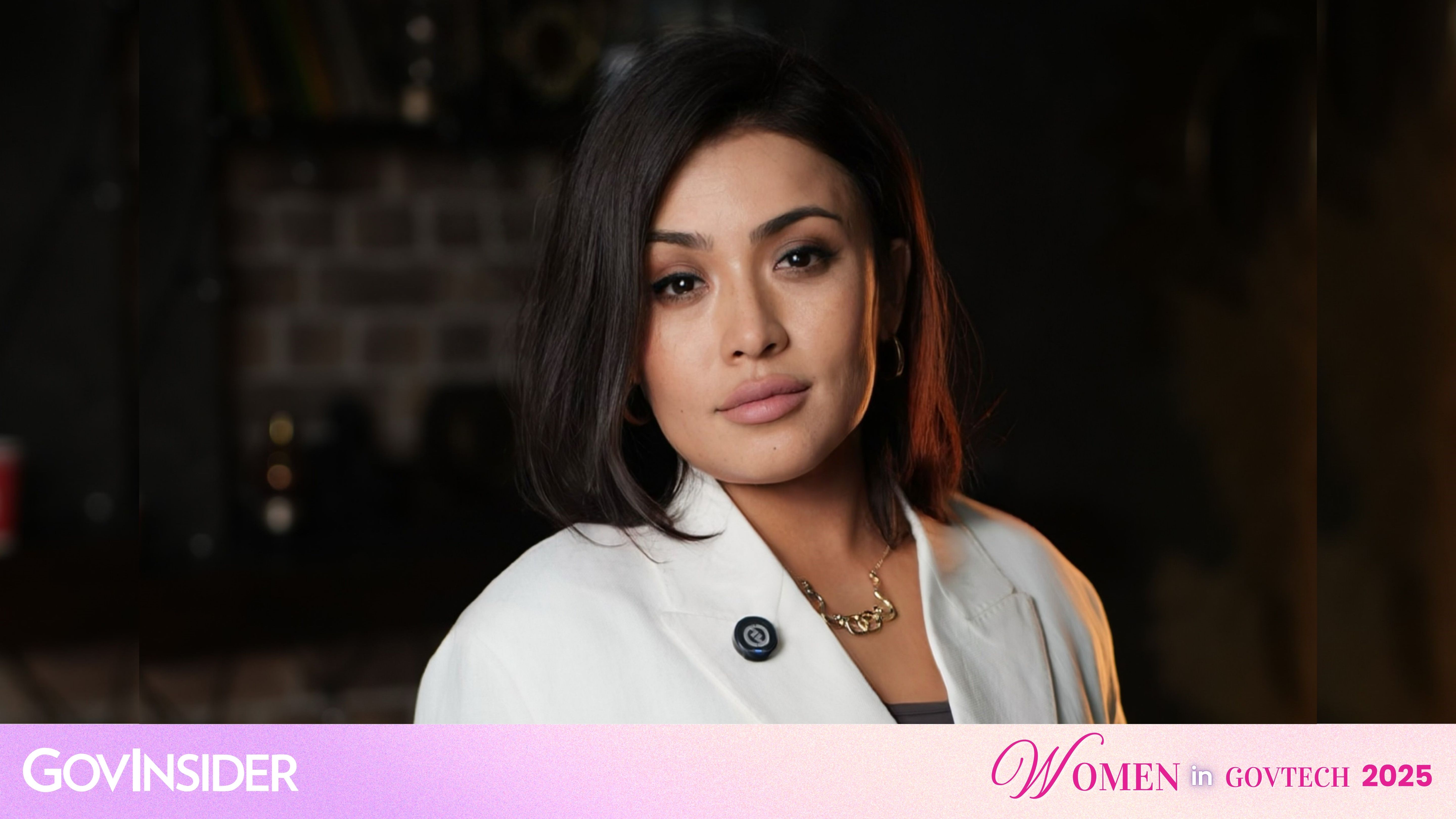
Dildora Tursunova, Director for Strategic Development, Uzinfocom, shares about her journey. Image: Dildora Tursunova
1) How do you use your role to ensure that technology and policy are truly inclusive?
For me, inclusivity isn't an add-on to our strategy; it's the foundation. At UZINFOCOM, we are building an ecosystem of digital solutions that makes government services accessible to every citizen, regardless of age, social status, or technical literacy.
For example, our my.gov.uz service allows people to manage administrative tasks online, but we are going further. We are creating voice and chat interfaces to help people without strong computer skills interact with the platform.
We are also actively implementing multilingual interfaces so that digital services are equally understandable to users across the country.
It is crucial that digitalisation closes the digital divide, not widens it. This is why we test every product for its usability, clarity, and relevance for different groups, including people with disabilities (PWDs).
2) What’s a moment in your career when you saw firsthand how technology or a new policy changed a citizen’s life for the better?
When we launched the DMED project, a digital platform for medical institutions, I saw firsthand how digitalisation can genuinely transform people's quality of life.
Before the system was implemented, patients used to spend hours waiting for appointments or searching for their medical records. Now, registration, medical history, and lab results are all stored in a single digital space. This saves time, prevents errors, and improves the quality of medical care.
It was especially rewarding to hear from a doctor who said, "Now I spend more time with my patients, not on paperwork." This is exactly why we build technology.
3) What was the most impactful project you worked on this year, and how did you measure its success in building trust and serving the needs of the public?
The key project for me this year was scaling up DMED and MyID. These two systems form the foundation of trust between citizens and the government.
MyID provides a single, secure access point to electronic services, and with MyID Palm, biometric identification has become a reality. This is not just a tech product; it's a foundational tool for building a digital government.
We measure the success of these projects not only by the number of users but also by the level of public trust in the system.
This is reflected in its operational stability, robust data protection through our dc.uz and UZSOC cybersecurity infrastructure, and most importantly, in the positive experiences of our users.
4) What was one unexpected lesson you learned this year about designing for real people? This can be about a specific project or a broader lesson about your work.
We often think that people want more features, but what they really want is simplicity. One of the most valuable lessons I learned this year is that an intuitive interface is far more important than complex algorithms.
When a user says, "I was able to do this without any instructions," that is a true measure of digital inclusivity.
Furthermore, we've learned to design not just for people, but with them. Field testing, collaborative workshops, and direct feedback from doctors, teachers, and students all help shape more dynamic and sustainable solutions.
Technology should adapt to real life, not the other way around.
5) We hear a lot about AI. What's a practical example of how AI can be used to make government services more inclusive and trustworthy?
Artificial intelligence (AI) in the public sector should be a tool, not a mystery. We are developing projects like Muxlisa AI, a voice assistant that helps citizens get answers to questions about public services in plain language.
This is especially important for people who struggle to navigate the digital world. Additionally, at UZINFOCOM, we are implementing data analytics algorithms that help the government forecast public needs and optimise resource allocation in healthcare and education.
While doing this, we remain committed to a core principle of ethical and transparent algorithms, which ensures AI builds trust, rather than erodes it.
To subscribe to the GovInsider bulletin, click here.
6) How are you preparing for the next wave of change in the public sector? What new skill, approach, or technology are you most excited to explore in the coming year?
We aren't just building services. We are architecting the very infrastructure of digital trust.
This transformation is built on foundational technologies like distributed ledgers, improved data interoperability, and fortified sovereign data centres.
At the same time, we are investing in human capital. We run internships and mentorship programmes to attract the next generation of talented students and young professionals.
After all, technology is only as effective as the people who build it, and they must be driven by a clear sense of public mission.
7) What advice do you have for public sector innovators who want to build a career focused on serving all citizens?
Don't look for quick wins. Look for purpose. In GovTech, you have to listen to society and view technology through the lens of its real world benefit, not just the latest trend.
I would advise them to cultivate three key qualities, which are empathy, systems thinking, and transparency in everything they do. And always remember that public trust isn't earned through marketing. It's built through the reliable and intuitive performance of your services.
8) Who inspires you to build a more inclusive and trustworthy public sector?
I'm inspired by people who genuinely believe that a digital government must have a human touch. That includes my colleagues at UZINFOCOM and the young specialists who join us, bringing fresh ideas on how to improve the relationship between the government and the public.
I'm also inspired by the citizens who use our services and help us improve. Their feedback is what makes us stronger.
9) If you had an unlimited budget, what would your dream project be?
If I had an unlimited budget, my dream project would integrate technology, professional development, and equal opportunity. I would establish a national ecosystem, a leadership and digital innovation lab for women in the public sector.
Its purpose would be to not only build professional competencies but also to transform the wider management culture, shifting it from a bureaucratic model to one that is human-centric and innovative.
My ultimate goal is for the public sector to become a driver of change within ten years, rather than simply playing catch up. I want to ensure women leaders are playing a central role in that transformation.
10) Outside tech, what excites you the most?
I am inspired by culture, architecture, and travel. They remind me that any society is built not just on code and data, but on human stories.
These stories are what give meaning to our work in the digital space. Technology shouldn't replace our humanity. It should amplify it.