
Elizabeth Andiko, Technical Advisor - UshuruGPT, Kenya Revenue Authority
By James Yau
Meet the Women in GovTech 2025.
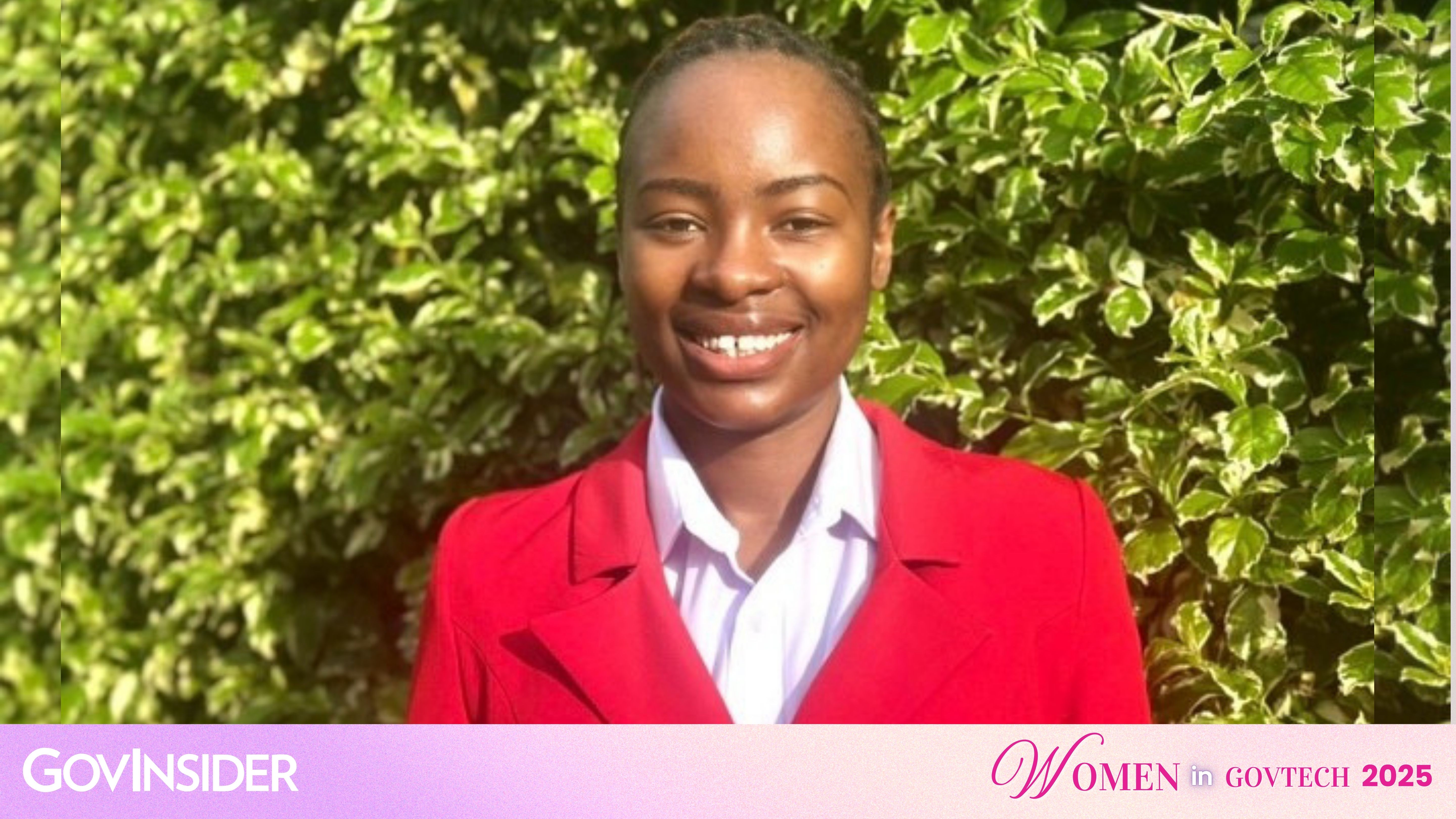
Elizabeth Andiko, Technical Advisor - UshuruGPT, Kenya Revenue Authority shares about her journey. Image: Elizabeth Andiko
1) How do you use your role to ensure that technology and policy are truly inclusive?
As a Technical Advisor to UshuruGPT (Kenya’s first AI-powered tax assistant), I help in designing systems that start with people. I translate complex tax policies into conversational AI tools that citizens can use simple and plain language.
I advocate for low-bandwidth parity (where services can be accessed through everyday channels like WhatsApp), gender-responsive design, support for Persons with Disabilities (PWDs) and multilingual interfaces, ensuring that inclusion is built-in and accessible to everyone with diverse abilities and literacy levels.
2) What’s a moment in your career when you saw firsthand how technology or a new policy changed a citizen’s life for the better?
A friend felt instant relief when they learned they could log into the tax system using their National ID instead of a forgotten PIN. A small change, but the impact was real.
It showed the power of interoperability: When government systems talk to each other, citizens don’t carry the burden. The Kenya Revenue Authority (KRA) system linking with National Registration created a seamless, human experience for taxpayers.
3) What was the most impactful project you worked on this year, and how did you measure its success in building trust and serving the needs of the public?
The UshuruGPT Project, first unveiled at the KRA Summit in October 2025, introduced a new way for citizens to interact with tax services.
For the first time, a taxpayer can ask tax related questions and receive clear, step-by-step guidance, no technical jargon, noqueues, no forms, no fear.
Success will be measured through trust and usability metrics: Reduced walk-ins at KRA offices, faster query resolution and an increase in user satisfaction among first-time filers.
That shift from confusion to confidence proves that when technology listens in citizens’ language, policy becomes personal and compliance becomes natural.
4) What was one unexpected lesson you learned this year about designing for real people? This can be about a specific project or a broader lesson about your work.
Working on the Digital Agricultural Inputs Registry through the Women in GovTech Challenge taught me that designing for real people means designing for trust and inclusion, not just technology.
During testing, farmers weren’t interested in “blockchain traceability”, they simply asked, “How do I know this seed is genuine?”
That shifted our focus from features to clarity, credibility and accessibility. We redesigned the verification journey so a farmer could authenticate inputs via QR code or USSD on any phone, even offline.
The lesson: Innovation is only meaningful when everyone can use it, simply and confidently.
5) We hear a lot about AI. What's a practical example of how AI can be used to make government services more inclusive and trustworthy?
A practical example of how AI can make government services more inclusive and trustworthy is by simplifying processes and delivering them through tools people already use: Messaging apps like USSD and WhatsApp.
This approach brings government services straight to the phone, familiar, affordable, and human.
No bureaucracy, just simple, instant support through tools people already use.
To subscribe to the GovInsider bulletin, click here.
6) How are you preparing for the next wave of change in the public sector? What new skill, approach, or technology are you most excited to explore in the coming year?
I am preparing for the next wave of public-sector transformation by strengthening my skills in Design Thinking and user-centred service design, ensuring that every digital reform begins with empathy and a clear understanding of citizen needs.
I am also exploring Quantum Computing and its potential to reshape how governments process data, allocate resources and secure systems.
My goal is to apply these capabilities to build predictive, trustworthy and citizen-first GovTech solutions, systems that anticipate needs, personalize services and ultimately strengthen trust between citizens and the state.
7) What advice do you have for public sector innovators who want to build a career focused on serving all citizens?
Start by simplifying processes and breaking down silos. That's where real innovation begins. Seamless access comes from applying the once-only principle, where citizens provide information once and can use services across government without repeating
themselves.
Build human-centric services that bring government closer to people, not people closer to government.
Design with inclusion as a foundation: Consider citizens in remote areas, PWDs, women and those with limited digital literacy.
Use multilingual, low-bandwidth, mobile-first solutions.
Public innovation is not technology-first but empathy, equity and dignity in every interaction.
8) Who inspires you to build a more inclusive and trustworthy public sector?
I am inspired by everyday citizens, the small business owner trying to stay compliant, the farmer verifying inputs, the youth filing a first return or the woman in a remote area accessing services on a basic phone.
Working in a Revenue authority, I see how many people feel anxious about visiting our offices. That motivates me to design services that are simple, convenient and accessible from anywhere.
I am also inspired by the women I met through the Women in GovTech Challenge, who lead with empathy and inclusion.
9) If you had an unlimited budget, what would your dream project be?
I would build an AI-powered Women’s Information Access Hub, a multilingual, voice-enabled platform offering verified guidance on family health including family planning, women’s rights and empowerment.
It would be designed especially for women in remote areas with low literacy or limited connectivity.
Through USSD, WhatsApp and community radio, women could access confidential, accurate information in their local language, no internet, no cost, no fear. AI would personalise content by age, region and need.
10) Outside tech, what excites you the most?
Empowering youth and women to become creators, not just consumers of systems.
I am passionate about mentoring young people to turn ideas into meaningful impact, whether through entrepreneurship, advocacy or human-centered design.
Watching someone realise that their voice and creativity can shape national solutions is incredibly fulfilling.
I also love storytelling and community building, creating spaces where courage, ideas, and collaboration meet.