
Human element still most important attribute for good law enforcement
British security expert Simon Morgan, once part of the team that protects the British Royal Family, says technology has changed policing and international cooperation is a must in an era of borderless crime.
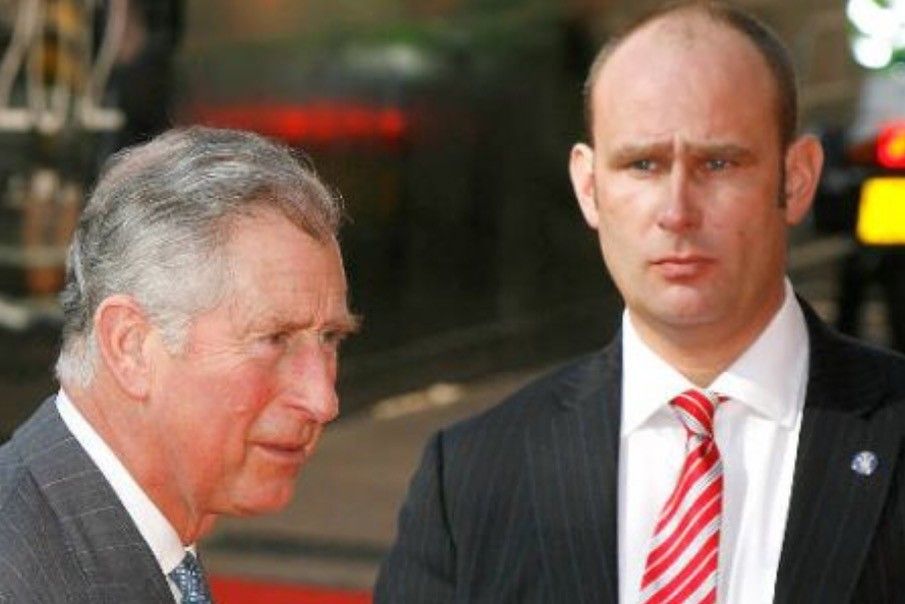
Simon Morgan with the then-Prince Charles as part of his security detail. Image: Simon Morgan.
As a former member of the SO 14 Royalty Personal Protection Group of the London Metropolitan Police Service (MPS) Protection Command, Simon Morgan has been acutely aware of the adage that haunts every police officer: “We have to get it right every single time, but the bad guys have to get it right once”.
Morgan joined this elite group, which is tasked with protecting the British Royal Family members, in February 2007 and worked at the unit till July 2013.
This stint has been the highlight of his 17-year career at MPS. Currently, he is the director of operations and training at a UK-based security consultancy, Trojan Consultancy.
He reminiscences about how the job demanded not just vigilance, but a sixth sense for anticipating threats, reading crowds, and adapting to ever-changing circumstances - whether walking beside the [then] Queen at a public event or managing the logistics of a royal visit in a foreign country.
“The skills I picked up, discretion, adaptability, and the ability to remain calm under the world’s gaze, became the bedrock of my later success.”
Morgan sat down with GovInsider to share his thoughts about how the nature of law enforcement has changed, thanks to technology and criminals moving online, as well as how governments are tackling the issues of cybercrime.
He notes that in an era of increasingly complex global security challenges, law enforcement agencies must adapt to multi-dimensional threats that extend far beyond traditional physical policing.
“Technology has become a critical tool in addressing evolving risks, enabling agencies to track and respond to cybercrimes, financial fraud, and sophisticated terrorist activities” he says.
While supportive of the use of technology to fight crime, Morgan adds a caveat.
He notes that the key is not wholesale technological replacement of traditional policing methods, but “strategic integration that enhances human investigative capabilities”.
The human element remains irreplaceable in policing, says Morgan, adding that experienced investigators bring critical contextual understanding, intuition, and ethical judgment that no algorithm can fully replicate.
Fundamentals remain the same
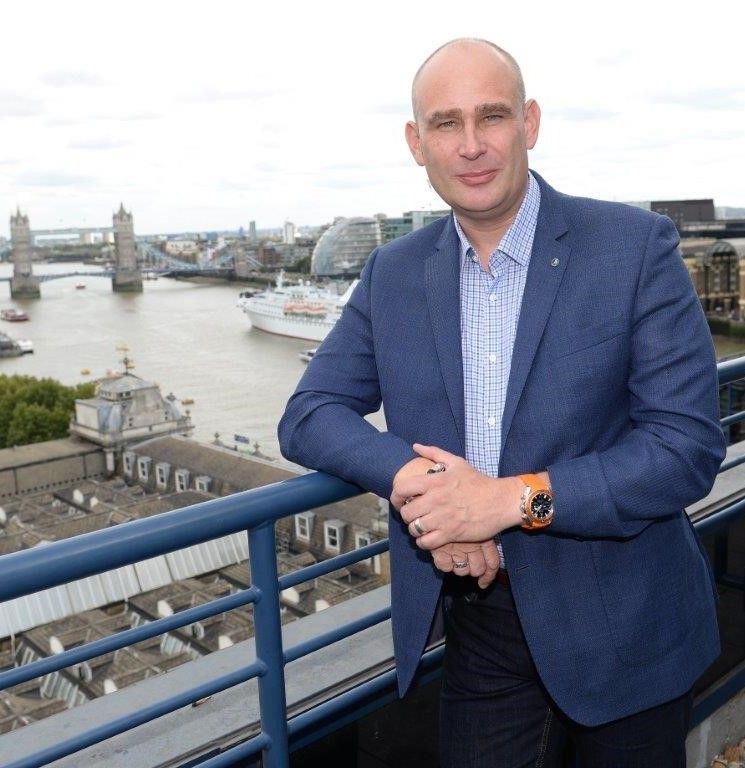
Morgan shares that even though a lot has changed in terms of the nature of crimes as well as the law enforcement tools to fight them, the fundamental priorities remain the same as always, that is, “protecting citizens, maintaining social order, and preventing threats”.
“These objectives now require a [more] sophisticated approach that combines border security, cyber threat monitoring, and intelligent data analysis,” he adds.
Modern law enforcement demands a multifaceted skill set that goes far beyond physical prowess and traditional investigative techniques, he says, adding: “Critical attributes now include technological literacy, adaptability, strong analytical capabilities, and emotional intelligence”.
Morgan also emphasises on the importance of psychological resilience, as law enforcement professionals increasingly confront multi-dimensional challenges that require nuanced problem-solving and rapid decision-making in high-pressure environments.
The most effective law enforcement models will be those that view technology as an empowering tool rather than a complete solution, maintaining a human-in-the-loop approach that preserves the nuanced decision-making capabilities of trained professionals, he says.
This balanced strategy ensures that technological innovations enhance rather than replace the core mission of protecting and serving communities, he adds.
International cooperation the way forward
Morgan agrees to the point that in an interconnected world, international cooperation has become not just beneficial for law enforcement but essential for effectively combating transnational criminal activities.
“Cybercrimes, terrorism, financial fraud, and sophisticated criminal networks operate across borders with unprecedented ease, rendering traditional national-level approaches inadequate,” he observes.
He adds that organisations like Interpol, the Five Eyes intelligence alliance (a grouping comprising Britain, the US, Canada, Australia and New Zealand), and regional cooperation frameworks provide critical platforms for sharing intelligence, coordinating investigations, and developing unified strategies to address global security challenges.
“The most successful international law enforcement efforts will prioritise genuine knowledge exchange and collaborative best practices, moving beyond mere information sharing to active joint problem-solving,” says Morgan.
To subscribe to the GovInsider bulletin, click here.
He adds that this requires agencies to overcome historical barriers, invest in mutual training programmes, and develop shared technological platforms that enable real-time communication and data analysis.
Morgan feels that by recognising that criminal threats are global in nature, law enforcement agencies can create more adaptive, responsive, and effective strategies that leverage collective expertise and resources.
“The goal is not just to respond to crimes, but to proactively prevent them through unprecedented levels of international coordination and mutual understanding,” he says.
Defunding the police not the way forward
Our discussion veers to a rather sensitive topic, the "defund the police" movement that is quite active in several countries in the West.
Morgan notes that this movement emerges as a critical response to systemic issues of police brutality, racial discrimination, and excessive use of force, particularly in the United States.
“Proponents argue that traditional policing models are fundamentally flawed and that significant portions of law enforcement budgets should be redirected towards community services, mental health support, education, and social welfare programmes.

“They contend that many social issues currently handled by police could be more effectively addressed by specialised professionals trained in de-escalation, mental health intervention, and community support,” Morgan notes.
However, he adds that this approach is “naive and potentially dangerous”.
“Completely dismantling or significantly reducing police funding fails to recognise the complex role law enforcement plays in maintaining social order and protecting vulnerable populations,” he says.
The idea that society can police itself is “fundamentally flawed, as the majority of citizens lack the training, resilience, and impartiality required to enforce laws fairly and consistently”, he adds.
He emphasised that policing is a critical public service requiring specialised skills, and society cannot effectively police itself.
Comprehensive reforms a must
The most constructive approach involves comprehensive police reform, improved training, enhanced accountability mechanisms, and strategic resource allocation, rather than wholesale defunding, says Morgan.
“Effective solutions must balance community needs, social justice concerns, and the fundamental requirement of public safety,” he adds.
Summing up his career, Morgan says: “I’ve worn many hats, uniformed officer, detective, and protector of the royal family. Each role has demanded its blend of vigilance, empathy, and unwavering commitment.
“Standing just a few steps behind the Queen or (the then) Prince Charles, I felt the weight of responsibility not just to them, but to my team, my country, and the very reputation of British policing.
“The stakes were always high, and every day brought new challenges that tested my resolve and sharpened my instincts,” says Morgan.
He adds that “true policing is about more than enforcing the law, it’s about building trust, making split-second decisions under pressure, and serving with integrity no matter the circumstances”.