
Kong Ka Hei, Senior Manager, Specialist Outpatient Clinics, Khoo Teck Puat Hospital, NHG Health, Singapore
Meet the young public sector officials in the inaugural Young & Official Report 2026.
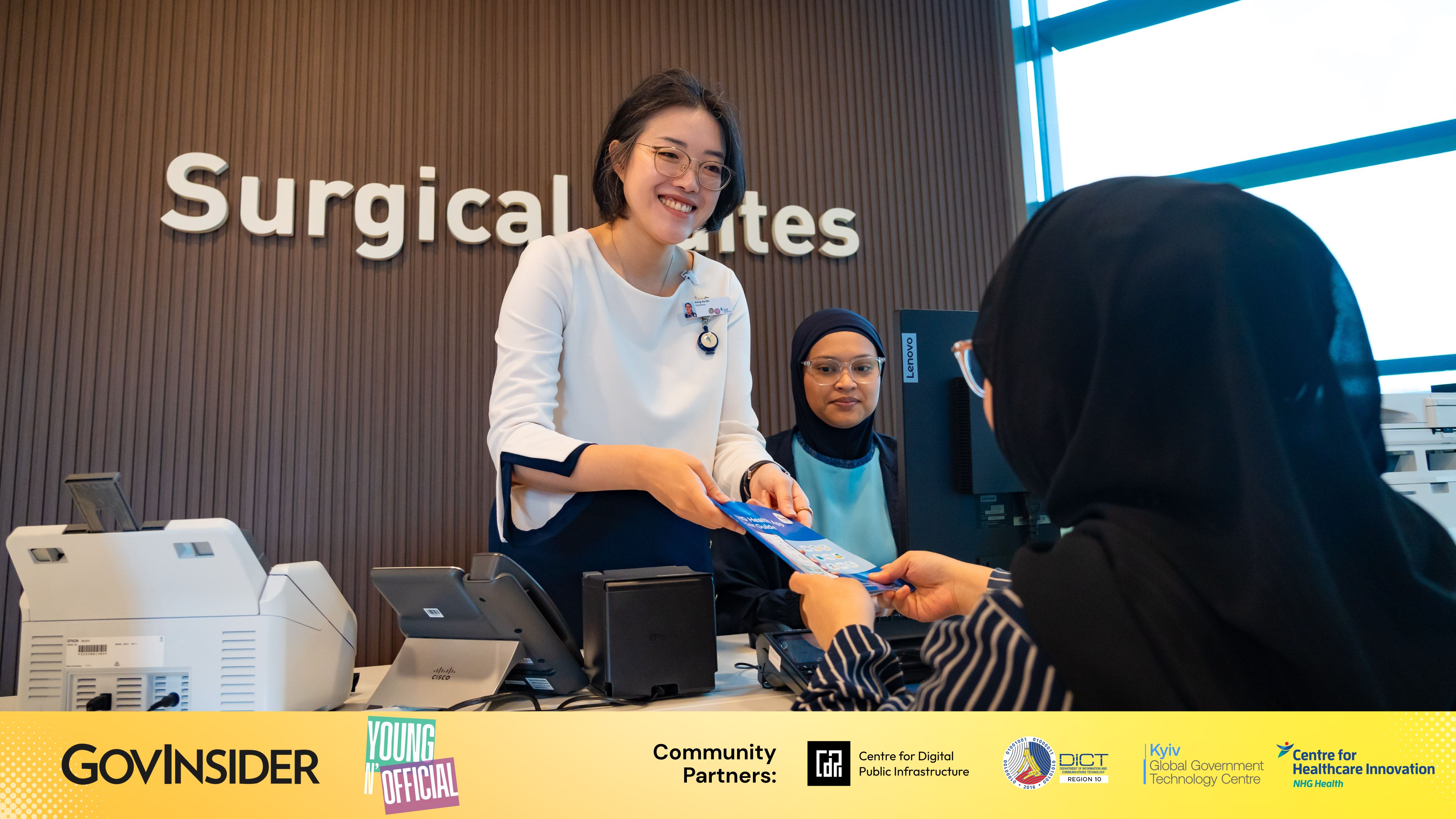
Kong Ka Hei, Senior Manager, Specialist Outpatient Clinics, Khoo Teck Puat Hospital, NHG Health, Singapore. Image: NHG Health.
1) What does public service mean to you? Can you share more about your role in the public sector?
Public service, to me, is about improving lives through the work that we do every day. In healthcare, it means ensuring patients receive timely, safe and accessible care while continuously improving the systems that support them.
As a Clinic Manager in Specialist Outpatient Clinics (SOC), I oversee clinic operations and support projects that improve patient flow, service delivery, workforce sustainability and patient experience. My work involves coordinating closely with clinicians, nurses and frontline staff to ensure clinics run smoothly while identifying opportunities for operational improvement.
2) Tell us about a project you championed. What impact did it have on the community?
One project I have been involved in is the Patient Service Associate (PSA) Job Redesign Initiative within the SOC. The initiative focuses on upskilling frontline PSAs beyond traditional administrative duties into selected clinical functions such as blood taking, financial counselling and room assisting.
Since April 2024, we have started cross-training PSAs to manage both counter and room-assisting duties while progressively exposing more staff to financial counselling and other expanded responsibilities. This has strengthened staff confidence while improving manpower flexibility and operational efficiency.
For patients, it translates into smoother clinic operations, shorter waiting times, and better care coordination.
The percentage of patients seen within 30 minutes improved from 60 per cent in May 2024 to 83 per cent in February 2026, while SOC PSA attrition rate decreased from 17.2 per cent in fiscal 2024 to 5.6 per cent in fiscal 2025.
3) As a young professional, how has your unique background or perspective allowed you to identify a solution that others in your organisation might have overlooked?
I started my career journey with Khoo Teck Puat Hospital (KTPH) in visitor management, followed by inpatient services, and now in the SOC. Working across different operational departments has allowed me to connect the dots between workflows and processes, as each department plays a role in ensuring smooth patient flow.
Working in frontline operations also gives me visibility of workflow gaps and patient pain points that may not always be obvious at a system level.
Through projects such as the SOC Masterplan and Smart Clinic initiatives, I identified opportunities to redesign clinic workflows, optimise space utilisation and leverage technology to reduce administrative workload.
I believe young professionals can contribute fresh perspectives while remaining grounded in operational realities.
4) What is your personal strategy for maintaining your creative energy when faced with bureaucracy?
I stay solution-oriented and purpose-driven. Rather than viewing bureaucracy as a barrier, I try to understand the intent behind each process so that innovation and change can happen while ensuring patient and staff safety.
In healthcare, transformation often happens incrementally. I remind myself that even small operational improvements can create meaningful and sustainable impact for patients, staff and the healthcare system over time.
5) If you had just one area to invest in to accelerate transformation in the public sector (regulation, technology, talent, etc.), which one would you choose and why?
I would invest in talent. Technology can improve efficiency, but meaningful transformation only happens when people are empowered to adapt, innovate and rethink the way work is done.
In healthcare, even the best systems have limited impact if staff are not confident, engaged or equipped with the right skills.
Through projects such as PSA Job Redesign, I have seen how investing in people can strengthen ownership and improve care delivery. To me, transformation is not just about technology but about enabling people to grow alongside it.
6) What is your greatest ambition as you grow in your public service career?
My greatest ambition is to create sustainable changes that improve both patient and staff experience. To me, operational improvements directly shape how patients receive care and how frontline staff experience their work.
I hope to contribute towards building systems and workflows that are more patient-centric, supportive and sustainable in the long run.
Beyond implementing change, I also hope to inspire teams to embrace continuous improvement and innovation while remaining grounded in the purpose of serving the community.
7) What is a “universal value” that connects everyone in your department – from interns to directors – and how do you use that to drive collaboration?
A “universal value” that connects everyone in the SOC would be people-centredness.
In the SOC, our work ultimately revolves around people – not just patients but also colleagues and stakeholders across different departments. Regardless of role or seniority, everyone plays a part in creating a supportive and compassionate environment.
When driving projects or operational improvements, I try to anchor discussions around how changes will impact both patients and staff, including upstream and downstream departments that work closely together to ensure smooth patient care and flow. This shared perspective helps align teams, strengthen collaborations and build greater trust across departments.
8) What is the best piece of advice you’ve got for the next generation of public servants?
Don’t forget why you chose to join public service in the first place – the intention to help people and make a meaningful difference to the community.
In public services, challenges and community needs will continue to evolve. Staying grounded in that sense of purpose helps us remain resilient, compassionate and committed even during difficult periods.
At the same time, it is important to stay open-minded and adaptable because meaningful improvement often requires us to embrace change and continuously learn from others.
9) What is a myth you wish to debunk about young public servants?
A common misconception is that young public servants are impatient or overly focused on change and innovation.
In reality, many young professionals genuinely want to understand systems in depth and create meaningful improvements that are practical and sustainable. While we may bring fresh perspectives, we also recognise the importance of collaboration, stakeholder engagement and balancing operational realities with long-term transformation.
10) Write a letter to your future self in 2035. Please keep it within 200 words.
Dear future me,
I hope you still remember why you chose public service – to help people and create a meaningful impact. As responsibilities grow, I hope you never lose sight of the patients, colleagues and teams behind every decision and process.
I hope you continue driving improvements that make healthcare more compassionate, efficient and supportive for both patients and staff. Most importantly, I hope you remained open-minded, adaptable and courageous in embracing change while staying true to your values and purpose.