
Meet the nurse who reinvented diabetes care to fit her patients' lives
By Sol Gonzalez
When Khoo Teck Puat Hospital (KTPH)’s nurse Mariana Binte Mahadi noticed her Muslim patients came back from their pilgrimages in worse states of health, or skipped insulin during Ramadan out of fear of breaking their fast incorrectly, she created programmes to fit their reality.
-1785825987053.jpg)
KTPH's nurse Mariana championed culturally-sensitive diabetes care models seeking to ensure safe and evidence-based care that accommodates patients’ religious practices, beliefs and values wherever possible. Image: Canva
Manage the diabetes, or keep the fast. For many Muslim patients, this felt like a choice they shouldn’t have to make.
In her fourteen years supporting diabetic patients at Khoo Teck Puat Hospital (KTPH), Advanced Practice Nurse and Nurse Clinician Mariana Binte Mahadi saw this misconception play out repeatedly among Muslim patients during Ramadan.
“One of the most common misconceptions was the belief that insulin injections or blood glucose monitoring would invalidate their fast,” shares Mariana to GovInsider.
The encounters with patients made her realise the need for “a structured education programme that was both clinically relevant and respectful of religious and cultural practices.”
So, in 2013, she spearheaded the Group Education & eMpowerment Programme (Ramandan) (previously known as Skills for Life Ramadan), aimed at giving patients with the knowledge and confidence to manage their diabetes safely while observing an important religious practice.
This programme is just one of the initiatives that Mariana spearhead to deliver holistic, culturally sensitive diabetes care at KTPH.
The first pilgrimage-focused diabetes programme
Continuing with her commitment to delivering culturally-sensitive care, Mariana pioneered and developed Singapore’s first pilgrimage-focused diabetes programme, investing years in its design, implementation and growth.
The programme was first conceptualised in 2023, structured as a group education initiative that encourages active participation from patients to share real-life concerns, experiences, and exchange learnings related to managing their diabetes throughout the pilgrimage.
Mariana shares that the idea came when she noticed her patients were returning from their Hajj and Umrah pilgrimages in a deteriorated state of health, with some hospitalised during their pilgrimage in Saudi Arabia due to complications related to their medical conditions.
Since Hajj and Umrah are physically demanding and spiritually significant, the goal was “to empower patients with the knowledge and confidence to manage their diabetes throughout the pilgrimage and reduce the risk of complications,” says Mariana.
Her dedication has enabled Muslim patients with diabetes to undertake Hajj and Umrah with greater confidence, safety and support, and earned her the recognition of the Whole-of-Government Service Champion Award at the Public Sector Transformation Awards 2026.
Religiously appropriate care models
“As healthcare professionals, we may not know everything about every religion or culture, but it’s important to listen and ask respectfully to build trust and provide care that is truly patient-centred,” shares Mariana.
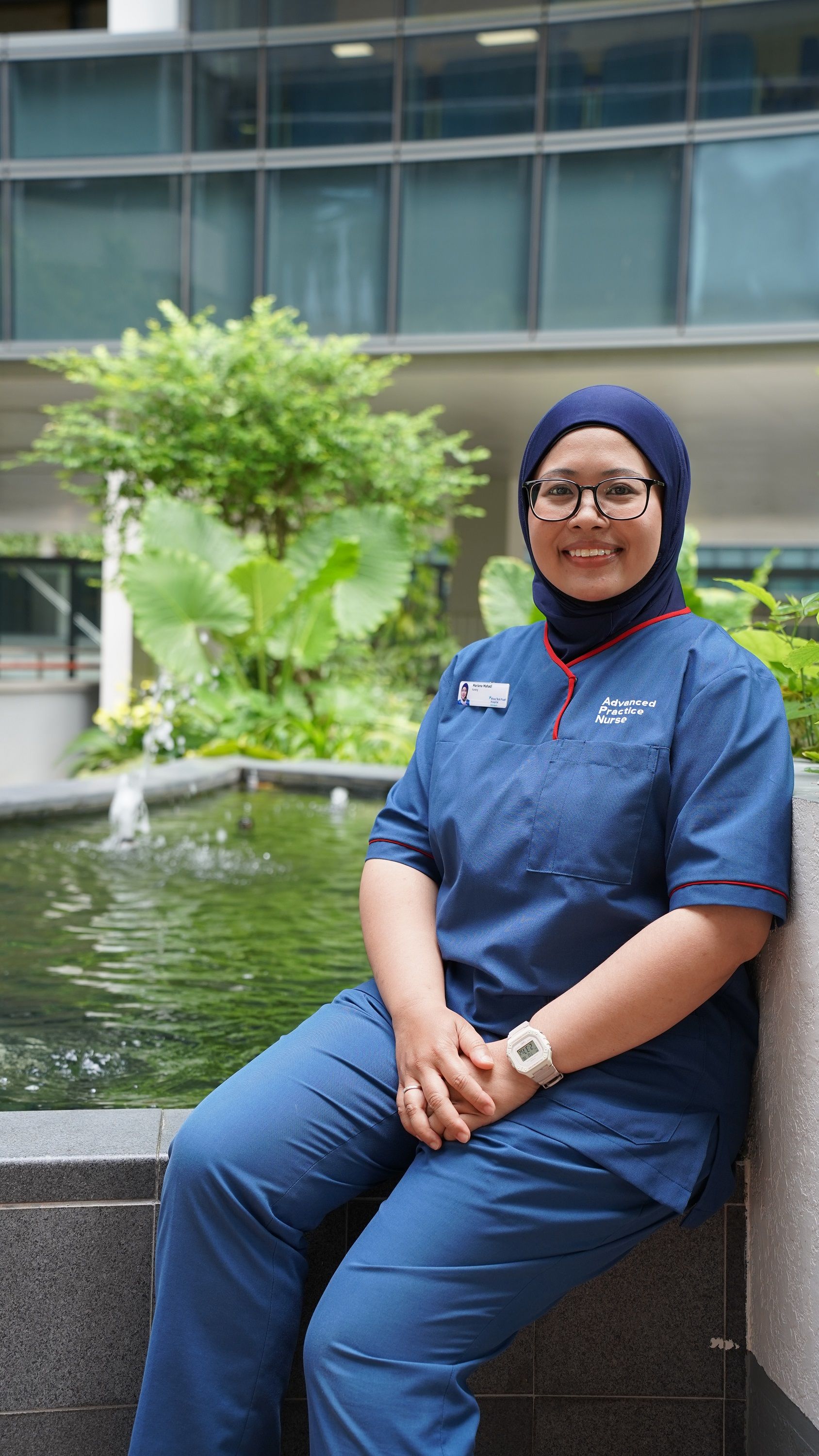
For her, religiously appropriate care starts with taking the time to understand what matters to each patient and respecting their beliefs and practices.
She notes that this does not mean that patients of different religions receive different standards of care.
Rather, this care model seeks to ensure safe and evidence-based care that accommodates patients’ religious practices, beliefs and values wherever possible.
This was particularly relevant for multicultural societies like Singapore, she added.
The Group Education & eMpowerment Programme (Ramadan) was the first programme of its kind in religious-appropriate care in KTPH.
Developed in collaboration with doctors and dietitians, the programme considers the impact of diabetes care on Ramadan’s practices, “so that [the] education could be clinically appropriate while remaining respectful of patients’ faith”.
The programme covers practical instructions such as healthy meal planning, better food choices during Ramadan, hydration during non-fasting hours, the importance of physical activity, and how tarawih prayers can contribute to daily activity levels.
It also discusses the clinical aspects such as blood glucose monitoring, medication adjustments, recognising symptoms of hypo- and hyperglycaemia, and understanding when it is necessary to break the fast for health and safety reasons.
“We wanted the programme to be practical and respectful of religious practices. For example, we recognised that breaking fast with dates is an important Sunnah practice for many Muslims.
"So, instead of asking patients to avoid dates completely, we provided guidance on moderation, such as having one date rather than several, based on their health needs,” she shares.
Partnerships with local mosques has helped to raise awareness of the programme and its recommendations, notes Mariana.
With the programme becoming more accessible, more patients have become more confident in managing their diabetes and successfully completing Ramadan with greater awareness.
Meeting patients where they are
Mariana was also involved in the Diabetes Remission Programme at the Diabetes Centre, led by KTPH physicians and supported by diabetes nurse educators, dietitians, psychologists, and researchers.
This programme reinforced a lesson for her: remission extends beyond the medical aspects of care.
“Sustainable lifestyle changes are shaped by the realities of a person's daily life,” she explains, from family responsibilities and work demands to festive occasions and cultural practices.
She recalls patients who kept to their meal plans and weight-loss goals most of the time, but struggled at Chinese New Year gatherings or travels, unsure how to turn down food from family without causing offence or how to stay on track overseas.
“The challenge was not the medication or clinical management, but helping them navigate social expectations and practical barriers.”
Stigma was another obstacle, notes Mariana. Some patients feared judgement for choosing healthier options or declining certain foods to follow lifestyle changes needed for their treatment.
To address this, Mariana worked more closely with patients to understand their concerns and provide a safe environment to share experiences and realise that they are not alone in this journey.
“[This experience] reminded me that supporting patients goes beyond providing medical treatment.
“Understanding their personal circumstances, daily realities, and practical challenges are equally important in helping them achieve their health goals and develop care plans that are realistic and sustainable” she shares.
Beyond the ward
Mariana continues to multiply her impact in delivering holistic care for her patients and shaping how other nurses approach care.
Currently, she is working on a research project that looks at the effectiveness of a Hajj and Umrah-focused education programme for patients with diabetes to better understand how tailored education can empower patients and support better health outcomes during religious practices like pilgrimage.
While advancing diabetes research, she also serves as a guest lecturer at the National University of Singapore (NUS)’ Master of Nursing programme, where she contributes to the training of future healthcare professionals and develops patient education resources.
Mariana’s work toward innovating diabetes care shows that healthcare can be reinvented through a lens of empathy, care, and a mindset of “I can do this better” for the benefit of patients.
“Healthcare is constantly evolving, and so are we. By continuing to learn, innovate, and collaborate, we can create an even greater impact on the patients and communities we serve,” she concludes.
GovInsider is organising Healthcare Day on September 15, 2026, in Singapore. You can find out more about the event and register here.