
Prof Beknazarova Saida Safibullaevna, Department of Television and Media Technologies, Tashkent University of Information Technologies, Uzbekistan
By James Yau
Meet the Women in GovTech 2025.
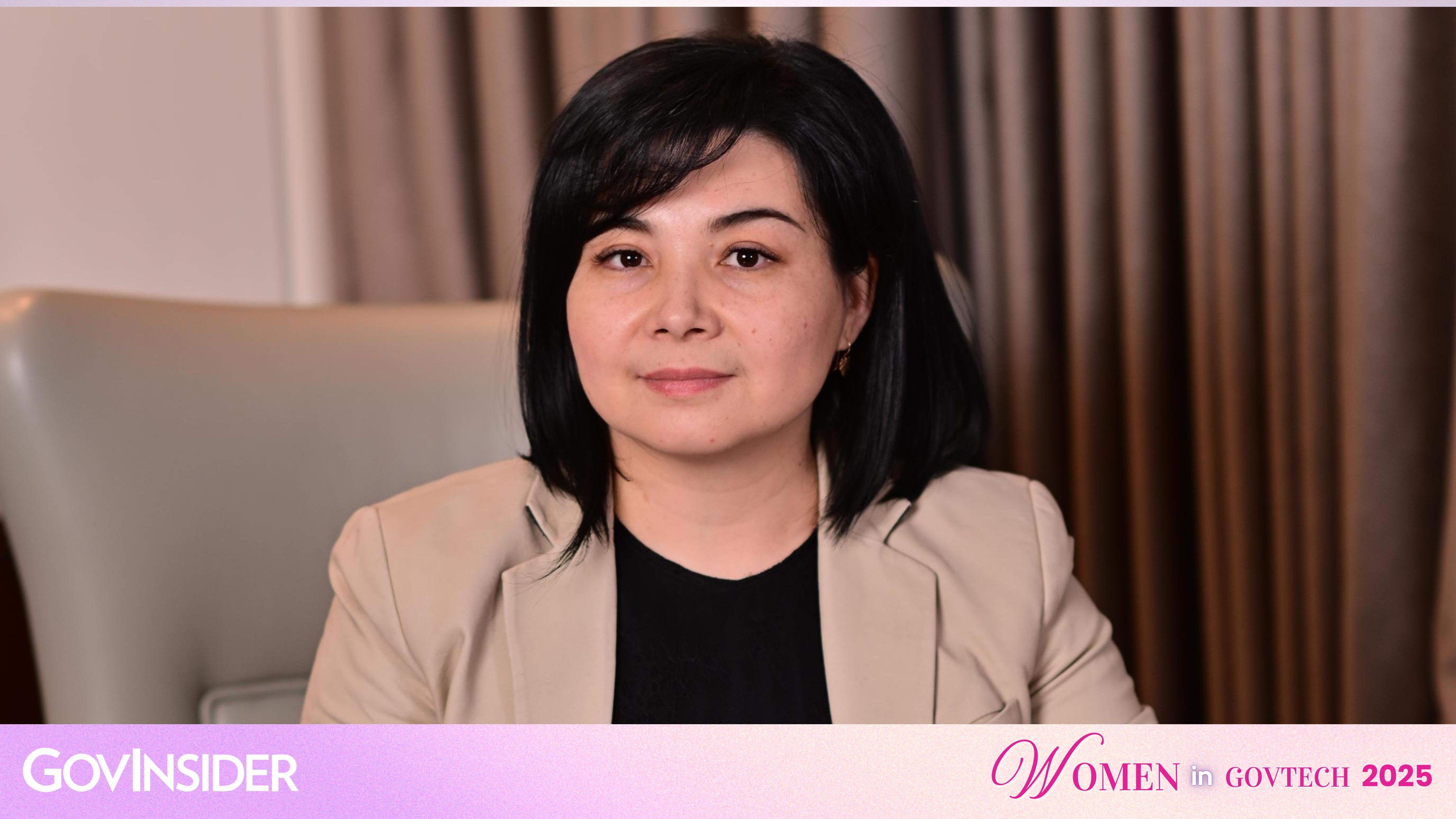
Prof Beknazarova Saida Safibullaevna, Department of Television and Media Technologies, Tashkent University of Information Technologies, shares about her journey. Image: Prof Beknazarova Saida Safibullaevna
1) How do you use your role to ensure that technology and policy are truly inclusive?
In my professional activity, I always prioritise accessibility and inclusiveness in technology.
When designing educational and media technologies, I focus on the principles of universal design to make digital solutions intuitive and accessible for people with different levels of digital literacy.
I also promote inclusive digital policies in the field of education and media communication.
2) What’s a moment in your career when you saw firsthand how technology or a new policy changed a citizen’s life for the better?
One of the most memorable moments was when my scientific team implemented a prototype of a kidney disease diagnostic system based on medical image analysis. This project helped doctors detect pathological changes more quickly, improving patients’ quality of life.
It was a clear example of how technologies developed in academia can directly impact human health and well-being.
3) What was the most impactful project you worked on this year, and how did you measure its success in building trust and serving the needs of the public?
This year, my teams and I have been working on two key projects: “Healthy Children” and “Kidney Stone Detect”.
The first focuses on monitoring children’s health with delayed speech development using computer vision and AI methods; the second aims to develop geometric modeling methods for kidney research in medical diagnostics.
We measure success not only through scientific results but also through the level of trust and positive feedback we receive from doctors and parents, as our technologies make diagnosis and prevention more effective.
4) What was one unexpected lesson you learned this year about designing for real people? This can be about a specific project or a broader lesson about your work.
While working on various projects, I made sure of that technological efficiency does not always equal usability. Sometimes users need not a complex algorithm but a simple and intuitive interface.
This realisation made me rethink design processes. Now I always start with interviews, surveys with end users to understand their real needs and expectations.
5) We hear a lot about AI. What's a practical example of how AI can be used to make government services more inclusive and trustworthy?
The practical example would be using AI to analyse citizen feedback and automatically identify socially significant issues. Such systems can not only speed up decision making but also make it more objective.
In our current scientific research, AI methods helps create transparent diagnostic systems where every algorithmic decision can be explained and verified, thus building trust.
The use of AI in the educational process can significantly increase the level of inclusivity and trust in public services, creating a more accessible, personalised and effective educational environment for all students.
To subscribe to the GovInsider bulletin, click here.
6) How are you preparing for the next wave of change in the public sector? What new skill, approach, or technology are you most excited to explore in the coming year?
I am actively studying augmented and virtual reality technologies in combination with computer vision and AI methods.
In the near future, these tools will allow us to create interactive educational and scientific environments where learning and diagnostics are as close to reality as possible.
I am also developing skills in explainable AI to ensure that our models remain transparent and interpretable to users.
7) What advice do you have for public sector innovators who want to build a career focused on serving all citizens?
My main advice is to always remember that technologies are created for people, not the other way around.
Innovators should learn to listen requests, problems of people, strives to offer optimal technical solutions, studying all the nuances and wishes comprehensively, only then apply technical solutions.
It is important not just to innovate, but to create truly working and necessary solutions.
8) Who inspires you to build a more inclusive and trustworthy public sector?
I am deeply inspired by my students and colleagues who genuinely believe that digital technologies can make society better.
Every time I see young researchers developing projects with a social mission, I feel renewed motivation and a sense of purpose in my work.
9) If you had an unlimited budget, what would your dream project be?
In continuation of the visualisation of medical data and the use of computer graphics to improve data processing, we plan to work on the large project “Medical Twin” system of digital human organ twins designed for personalised diagnosis and disease prediction.
This project would unite medicine, AI, visual technologies, and education into one ecosystem, making healthcare more precise and accessible.
The next idea to implement is the creation of a platform that would unite all the creative heritage of the Uzbek people. This initiative could significantly contribute to the preservation, promotion and popularization of Uzbekistan's rich culture and traditions.
The platform will serve as a repository for traditional Uzbek arts, including music, dance, painting, literature, crafts, and more.
Provide access to educational resources for students, researchers and a wide audience interested in Uzbek culture. Create a space for artists, musicians, artisans and other creative people to present and promote their work.
10) Outside tech, what excites you the most?
I am inspired by art music, painting, and theater. Perhaps because, like technology, art creates emotions and connections between people. I believe that the harmony between art and science makes a person truly whole.
One of the most inspiring things for me is the opportunity to pass on knowledge and experience to the next generations. I actively try to introduce my children and students to modern technologies, because they play an important role in our future.
Our goal is to help children become versatile individuals who can balance technical skills and creative thinking. This will give them the opportunity to adapt to changes in the world and find innovative solutions. If you are interested in how you can help your children develop these skills, let us know!