
Prof Miao Chun Yan, College of Computing and Data Science, Nanyang Technological University (NTU), Singapore
Meet the Women in GovTech 2025.
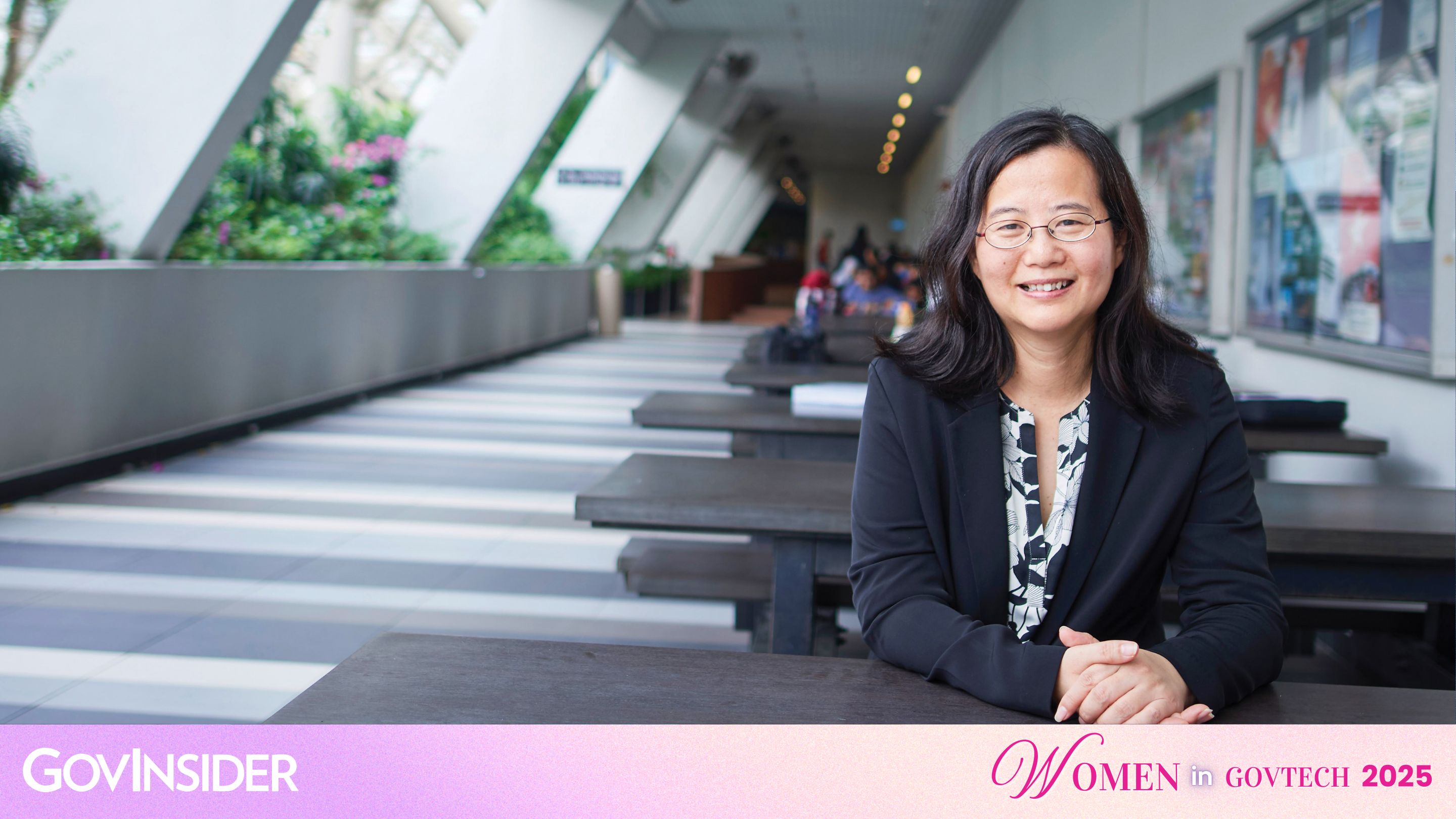
Prof Miao Chun Yan, College of Computing and Data Science, Nanyang Technological University, Singapore, shares her life's journey. Image: NTU.
1) How do you use your role to ensure that technology and policy are truly inclusive?
At the NTU-UBC Joint Research Centre of Excellence (LILY), we co-create artificial intelligence (AI) for ageing solutions with seniors, caregivers, medical experts and community partners so the technology fits the real needs of senior citizens.
We work closely with government agencies to ensure our research translates into policies which benefit the ageing population, such as those ageing at home.
2) What’s a moment in your career when you saw firsthand how technology or a new policy changed a citizen’s life for the better?
A senior living alone told us that our AI-enabled unobtrusive home sensing solution helped detect an early health decline, which allowed her to receive timely intervention.
She said: “Now I feel safe to stay in my own home.”
That moment showed us how human-centred AI can protect people’s dignity and independence as they age.
3) What was the most impactful project you worked on this year, and how did you measure its success in building trust and serving the needs of the public?
The ADL+ toolkit.
It is the world’s first toolkit that analyses big data on a person’s cognitive functions to assess the individual’s Activities of Daily Living – essential skills for independent living – as well as recommend relevant tailored support for the person.
Through ADL+, we seek to delay the onset of dementia and frailty so that people can live independently and with dignity as they age in place.
ADL+ combines unobtrusive sensing and behavioural big data analytics with gamified cognitive and physical assessment, as well as training to provide timely and personalised interventions.
To subscribe to the GovInsider bulletin, click here.
A large-scale clinical study was conducted in Singapore’s local hospitals and communities, and the toolkit demonstrated significant interventional benefits in cognitive performance and general well-being.
With only six months of intervention, the study achieved results that surpass comparable traditional intervention studies with much longer intervention periods of 2 years.
4) What was one unexpected lesson you learned this year about designing for real people? This can be about a specific project or a broader lesson about your work.
I learned that designing with empathy – to remove friction, not add complexity –
matters more than advanced algorithms.
5) We hear a lot about AI. What's a practical example of how AI can be used to make government services more inclusive and trustworthy?
AI can serve as a personalised assistant for seniors and caregivers. For example, our LILY conversational AI guides older adults to the right health or social services in simple language at any time.
This reduces frustration, shortens waiting times, and makes government support more accessible.
6) What advice do you have for public sector innovators who want to build a career focused on serving all citizens?
The true nature of technology is to serve large populations.
For our rapidly ageing societies, it offers the tools to support healthy longevity, independent living and meaningful social connections.
7) Who inspires you to build a more inclusive and trustworthy public sector?
The senior citizens we meet every day.
Their resilience, honesty and warmth remind me that technology should help people live with dignity and joy, not complexity.
8) If you had an unlimited budget, what would your dream project be?
A national “Healthy Longevity Living Lab” network comprising homes, outdoor environments, clinics and community spaces connected through human-centred agentic AI.
It would allow every citizen to age gracefully in place with proactive support, from daily wellbeing to early detection and interventions of health risks.
9) Outside tech, what excites you the most?
Connecting with people and nature. Listening to their stories, understanding their hopes, and seeing how small changes can improve everyday life - that inspires all my work.
Early in the morning and late at night are my reading times, when I enjoy reading scientific papers, poems and books.