
Roseele Dahang, Deputy Manager, DevOps, Sentosa Development Corporation, Singapore
Meet the Women in GovTech 2025.
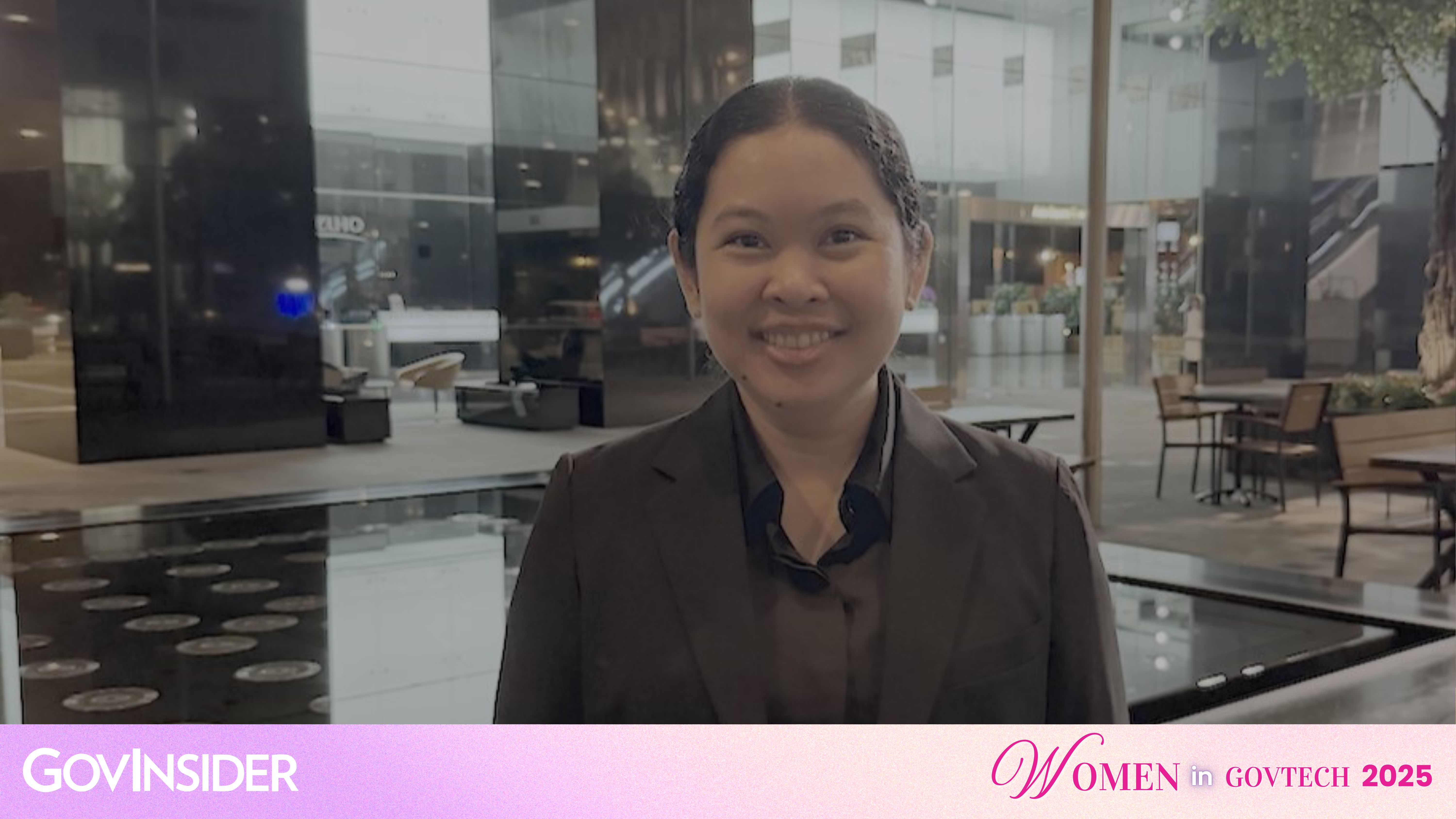
Roseele Dahang, Deputy Manager, DevOps, Sentosa Development Corporation. Image: Roseele Dahang.
1) How do you use your role to ensure that technology and policy are truly inclusive?
As a DevOps Developer at Sentosa Development Corporation, I am part of the team who manage the development lifecycle for applications utilised by internal teams and external customers.
A key part of my duty of care involves the systematic maintenance of the technology stack. This includes the phased updating of libraries and code, where every change undergoes mandatory security scanning and vulnerability testing to ensure prompt risk identification and effective mitigation before deployment.
2) What’s a moment in your career when you saw firsthand how technology or a new policy changed a citizen’s life for the better?
My involvement in projects centred on sustainability and the One Sentosa Platform application programming interfaces (APIs) was incredibly rewarding.
I directly witnessed the positive impact of these efforts, seeing the initiatives bring joy and enthusiasm to both passionate product owners and end-users.
Furthermore, the organisation leader's continuous drive for improvement created a tangible chain effect, fostering a feeling of greater involvement and ownership among our user base.
3) What was the most impactful project you worked on this year, and how did you measure its success in building trust and serving the needs of the public?
Our most impactful achievement this year was the successful transition and integration to the new Workday/Cumulus platform.
We secured this critical shift by building an innovative backend infrastructure, anchored by the One Sentosa Platform API gateway and a suite of our custom micro-services.
This design ensured that organisational data is securely integrated, synchronised, and precisely filtered.
The direct result is a massive improvement in staff efficiency, as all Sentosa employees now have immediate, centralised access to their necessary HR and finance services.
4) What was one unexpected lesson you learned this year about designing for real people? This can be about a specific project or a broader lesson about your work.
Collaborating across departments, including human resources (HR), non-technical teams, and DevSecOps, has been key to fostering innovative solutions.
This exposure taught me the essential skill of flexibility in communication, adapting my approach to resonate with diverse stakeholders - from end-users to policy enforcers.
A notable instance involved mentoring a non-technical co-worker on using artificial intelligence (AI) tools to automate the conversion of hard copies to digital formats.
I successfully guided her to independent mastery of the process in a single day.
This experience underscored the unexpected, yet profound, power of empathy in driving swift, tangible results and non-technical adoption of new technology.
5) We hear a lot about AI. What's a practical example of how AI can be used to make government services more inclusive and trustworthy?
In a nation rich with diverse cultural backgrounds, AI technology can serve as a powerful unifying force.
Imagine a multilingual government chatbot that interacts seamlessly through real-time voice and even sign language, making public services accessible to all.
This intelligent system could tailor its communication by analysing a citizen's profile, ensuring every interaction is simple, clear, and meaningful.
With built-in ethical guardrails, this AI would not only streamline transactions but also cultivate a deeper, more inclusive understanding across the entire population.
6) How are you preparing for the next wave of change in the public sector? What new skill, approach, or technology are you most excited to explore in the coming year?
To prepare for the next wave of transformation in the public sector, I am prioritising the development of skills focused on AI governance, ethics, and guardrail implementation.
This specialisation is critical given the rapid global advancement of AI and the increasingly common industry trend towards "Vibe Programming" - where development speed and novelty are sometimes prioritised, treating projects as challenges rather than rigorous, long-term systems.
My goal is to ensure that future public sector AI developments are built with integrity, reliability, and ethical compliance at their core.
7) What advice do you have for public sector innovators who want to build a career focused on serving all citizens?
My advice for navigating future challenges is to strategically invest in building a foundational organisational culture defined by three pillars: continuous learning, robust collaboration, and psychological safety.
It is also necessary to foster continuous learning and ensure that the organisation remains adaptive and relevant by constantly upgrading skills and embracing emerging technologies.
Prioritising collaboration breaks down silos, encouraging cross-functional knowledge sharing that drives innovative problem-solving.
Crucially, cultivating psychological safety creates an environment where team members feel safe to take calculated risks, voice dissenting opinions, and admit errors without fear of retribution, thereby maximising creativity and ensuring systemic resilience.
Together, these elements are essential for sustained growth and high performance.
8) Who inspires you to build a more inclusive and trustworthy public sector?
I want to express my deepest gratitude to the leadership in Sentosa for being exemplary role models for innovation and collaboration.
At the helm, Thien Kwee Eng (Our CEO), Gary Ng (Divisional Director, SDC), and Teo Li Li (Director, SDC) are truly visionary and resilient leaders whose powerful, inspiring words consistently resonate with me.
Our foundation in the DevOps team is thanks to Ker Ser Khim (Assistant Director), our team's beacon and source of resilience.
To subscribe to the GovInsider bulletin, click here.
Finally, to the entire DevOps team and all of Sentosa, thank you—you have truly made me feel that the work we do matters.
9) If you had an unlimited budget, what would your dream project be?
An augmented reality of the whole Sentosa island, where discovery never ends
10) Outside tech, what excites you the most?
In an era defined by the pressing reality of climate change and continuous technological evolution, the field of sustainability offers some of the most hopeful and necessary developments.
I feel a strong drive to learn more about the key trends, methodologies, and innovations that are shaping a sustainable world, believing that this knowledge is vital for addressing the planet's most significant environmental and social challenges.