
Scaling a youth-led movement for systemic impact in Singapore’s public healthcare
CHI-FLYING network, situated at the Centre for Healthcare Innovation (CHI), has created dialogue spaces and consolidated resources to equip young public healthcare professionals with the skills to lead future innovation.
The future of healthcare is united by one belief: that the future of care must be co-created, not inherited, says NHG Health's Population Health Deputy Group CEO and CHI's Executive Director Eugene Fidelis Soh. Image: Prof Soh's LinkedIn
Geriatric consultant and clinician-educator, Dr Sabrina Lau, lives by the principle of “advocate first, doctor second”. Her calling wasn’t born in a lecture hall or a hospital ward, but in the warmth and joy she experienced in her grandparents’ home.
This personal connection later ignited her commitment to the public sector, driven by her belief in equitable care for all regardless of background.
For Dr Lau who works at a public hospital in Singapore, being an advocate means more than just prescribing medicine. It's about uniting with her peers to drive impactful change in the healthcare system.
To extend that sense of purpose to a system-wide impact, she is part of the youth-led movement, known as the CHI-FLYING network.
CHI-FLYING network is short for Future Leaders and Young INnovators Guild, situated at the Centre for Healthcare Innovation (CHI).
The network of changemakers aged under 40 from public health and social care sectors aims to create spaces and build capacities that challenge traditional boundaries and mindsets in the public healthcare system, fostering a more compassionate and inclusive ecosystem.
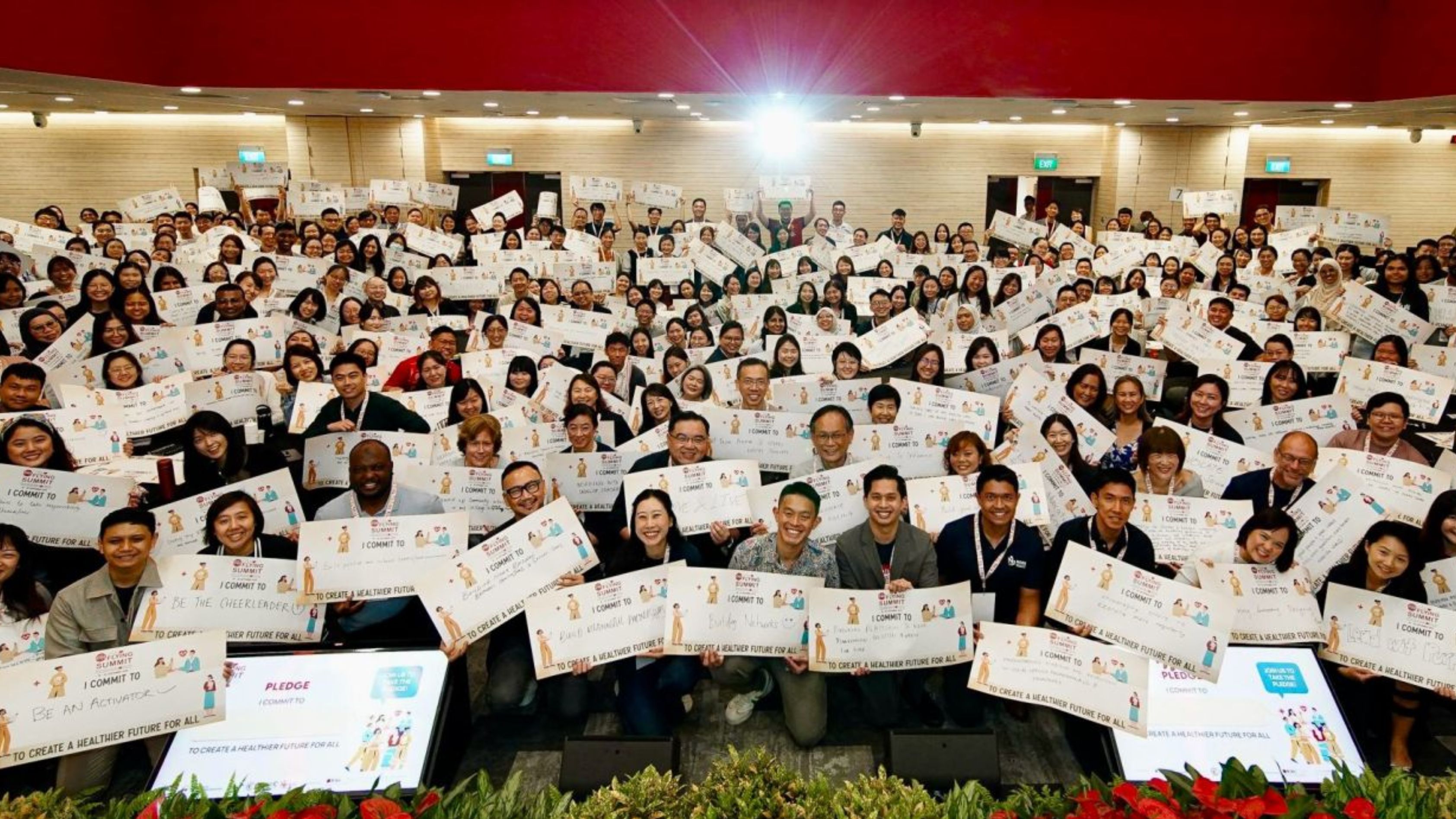
Dr Lau shared her story at a panel in front of over 300 public health and social care leaders at the inaugural CHI FLYING Summit on September 20.
How far does a youth-led movement go to create systemic impact? To find out, GovInsider speaks with members and advisors of the network, who are also public healthcare professionals, to understand more.
To subscribe to the GovInsider bulletin, click here.
1. Senior leadership endorsement is key
What began as an informal gathering of just 40 people in 2018 at a single hospital was later institutionalised by CHI to expand its reach across the wider public health and social care system.
According to the network's advisor, Zenne Tng, senior leadership endorsement has been crucial for formalising the network.
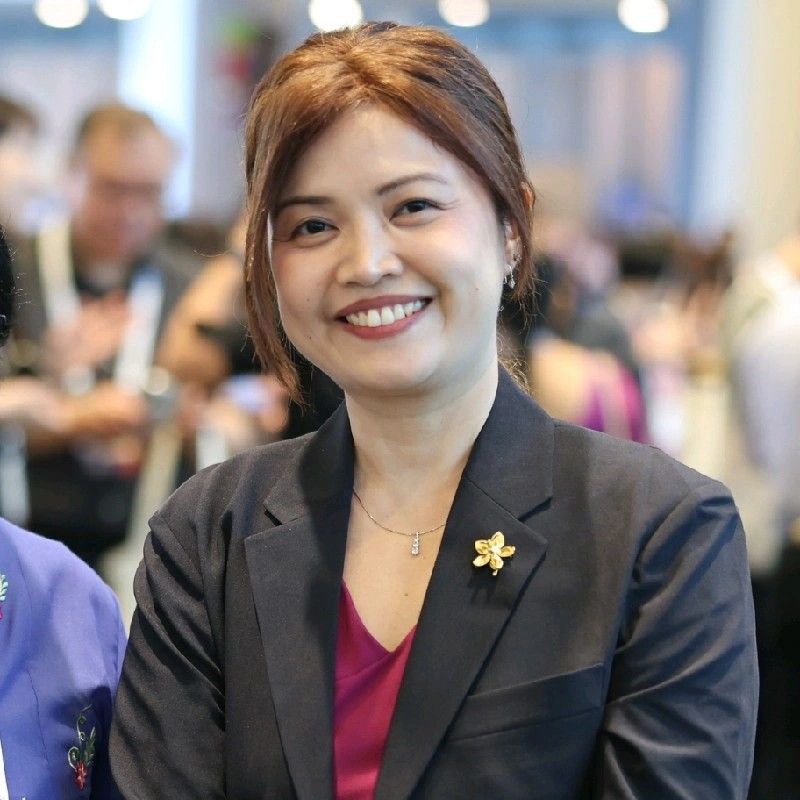
Tng is also a Senior Principal Speech Therapist at Tan Tock Seng Hospital (TTSH).
The network's origins trace back to an informal gathering of healthcare professionals at TTSH who met to play the Beer Game, a simulation developed at the MIT Sloan School of Management to teach systemic thinking.
As interest grew, the group's insights were shared in a WhatsApp chat, which eventually caught the attention of Professor Eugene Fidelis Soh, NHG Health’s Population Health Deputy Group CEO and CHI's Executive Director.
This leadership involvement has been vital, Tng says, as it opened opportunities for the network to meet with seasoned leaders from overseas and expand their activities.
She also highlights the value of the youth-led movement to bridge the gap within an increasingly multigenerational workforce.
Senior leaders have been invited to closed-door conversations, known as Mala Dialogues, which serve as a safe space for both younger and more seasoned leaders to constructively challenge each other’s perspectives.
This exchange of perspectives often reminds them of their beginnings, which fosters empathy and mutual understanding, she adds.
2. Consolidate resources to drive system-wide impact
The network currently pools resources from CHI and other government agencies to help young healthcare professionals build their skills and provide them with opportunities for innovation, says the network’s lead and Senior Nursing Researcher, George Glass.
These agencies include the National Council of Social Service (NCSS) and National Youth Council (NYC), which can provide additional funding and access to hackathons.
CHI’s Partnerships Manager, Patricia Chin, who is a member of the network, shares an example of how a sustainable healthcare prototype has been successfully scaled through a multi-agency collaboration.
Developed with a grant from NYC's Young ChangeMakers Grant, the prototype has been further improved through support from CHI Academies.
This demonstrates how the network can provide a pathway for individually-driven projects to become sustainable, large-scale initiatives, she explains.
The network also organises workshops around polarities, wicked problems and futures thinking to help young healthcare professionals build new ways of thinking.
These “mental models”, as Chin calls it, may not seem to be immediately useful for one’s daily work but offer a different perspective to approach problem-solving.
“We may think that we know the solutions to get to the end but if you don’t expose yourself to the diversity of perspectives, you may not know that there are many other effective roads that lead to the same destination,” she explains.
3. Collaborations can unlock creative problem solving
In an increasingly complex world, CHI Leadership Council’s member Professor Jonathan Gray, who is also the Director of the Commonwealth Leadership Institute, points to the need to build agile and interdisciplinary networks.
He refers to them as “special forces” that can quickly pivot and adapt to any emerging challenges.
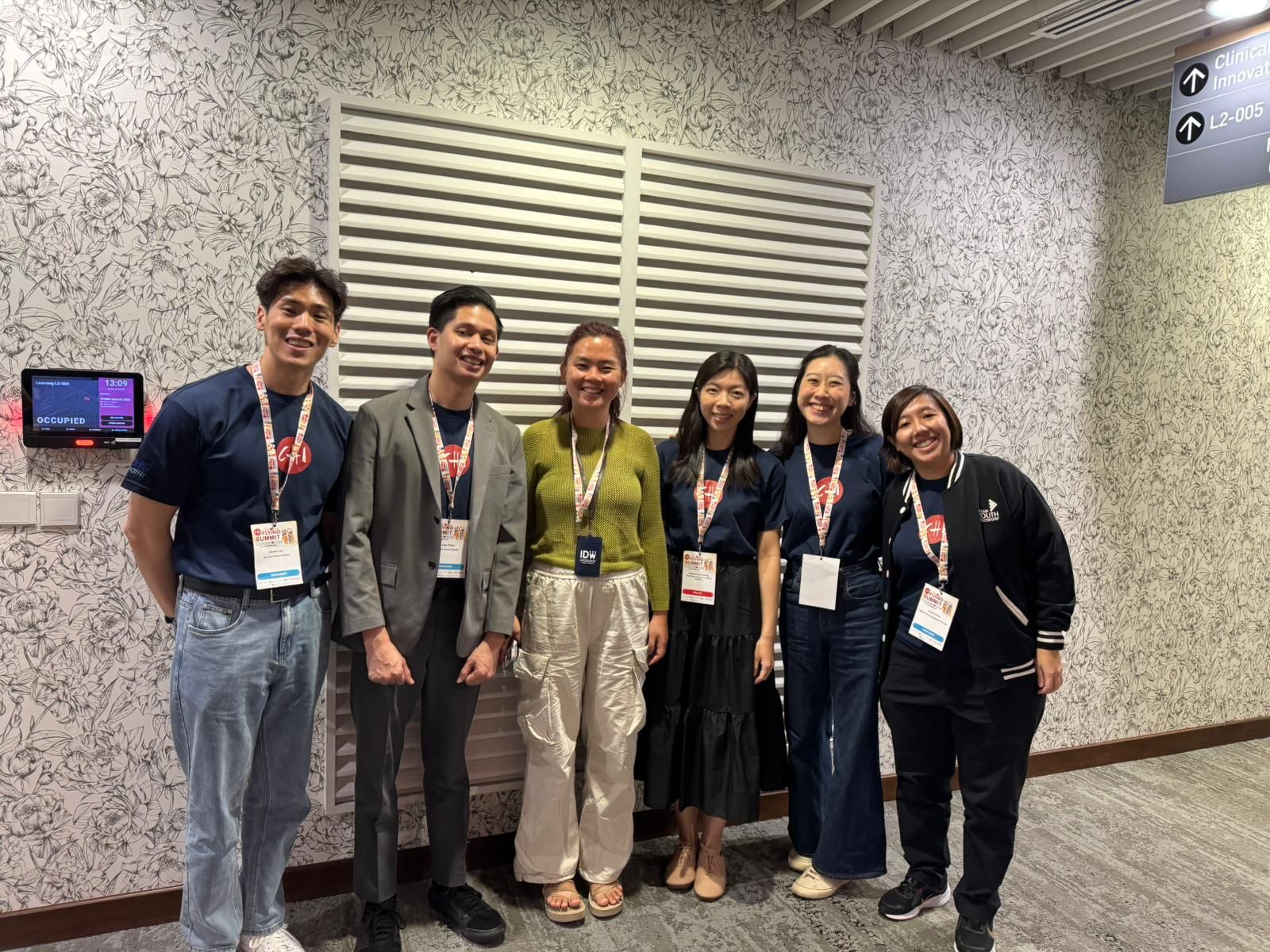
The network’s strength lies in its ability to think systemically yet respond flexibly, being able to sense future needs and adapt together.
While each member comes from a different background, they agree on a central idea: The impact on public health requires looking beyond their individual roles and spheres of influence.
“As a young changemaker, I realised your networks are very important to make it easier for you to step out of your own silo to consult a fellow professor, like a surgeon.
“We may not be subject matter experts on everything, but we can provide that essential information and guide patients to where they need to go,” says fellow member, Senior Physiotherapist Javier Luo.
Systemic protocols and administrative burdens can cause healthcare professionals to lose sight of their sense of purpose over time, says Glass.
The network aims to reignite that initial passion by providing a space to freely discuss ideas and collaborate on projects, without being limited by their specific roles, he adds.
Instead of having only a few people make decisions, another member, private pharma MSD Singapore’s Associate Director and Head of Strategic Partnerships Cindy Chng, highlights that the network advocates for a crowdsourcing model to activate more citizens to become “agents of change”.
Rather than waiting for top-down policies and funding which can be slow and burdened by bureaucracy, this empowers young healthcare professionals, who are closer to the community's needs, to quickly pilot new projects, says Dr Lau.
When these projects succeed, they gain enough attention and support to eventually be scaled up and adopted by the larger system.
Glass shares about a collaboration between the nursing and population health teams on a digital programme for seniors around preventative health literacy.
Glass and his population health team tapped into the latter’s networks to create a trusted channel for healthcare information.
By partnering with the Infocomm Media Development Authority (IMDA) and Singtel, they were able to teach seniors how to identify and avoid scams with IMDA’s expert knowledge and Singtel’s technical scam-blocking tools.
“We are hoping to draw more attention to ground-up initiatives, which give people who have good ideas to get their work noticed and recognised even if they cannot get buy-in from the top,” Dr Lau adds.
On driving change in an established system, Dr Lau reflects to the broader audience at the summit that by building momentum and achieving results with others, you can create a movement too significant for the establishment to ignore.
The key is simply to take the first step and work together.