
Veronica Murguia, Senior Project Manager, Dubai Future Foundation, UAE
By James Yau
Meet the Women in GovTech 2025.
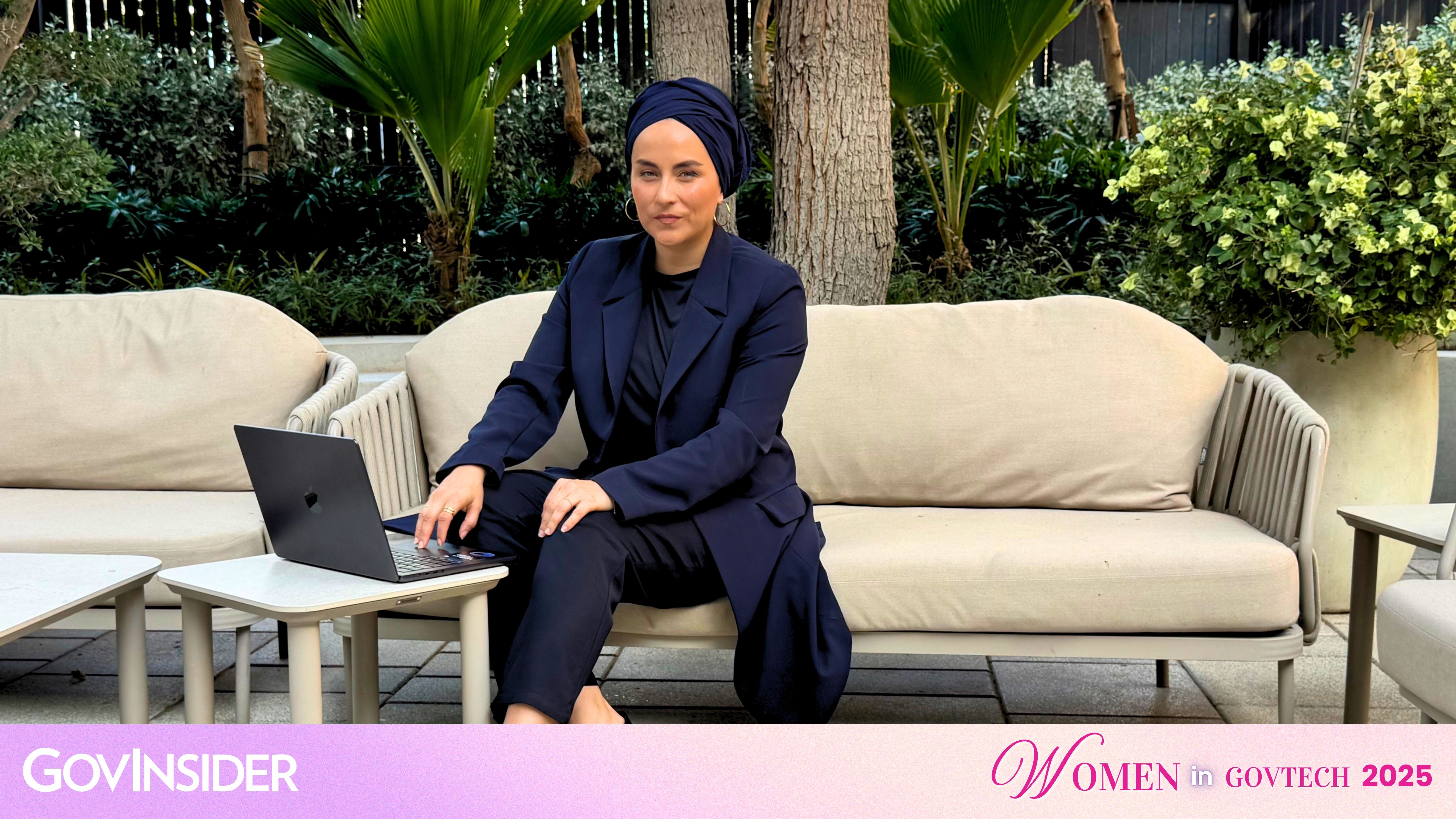
Veronica Murguia, Senior Project Manager, Dubai Future Foundation, shares about her journey. Image: Veronica Murguia
1) How do you use your role to ensure that technology and policy are truly inclusive?
I make inclusion a design requirement from the start - not a late-stage check.
This means facilitating the relationship between diverse stakeholders early, ensuring clarity when it comes to what does AI mean to an organisation, and ensuring every tool or policy is tested with the impact on the community that it affects, prior to deployment.
My role is to translate these insights into practical, deployable collaborations between government and AI companies.
2) What’s a moment in your career when you saw firsthand how technology or a new policy changed a citizen’s life for the better?
One defining moment came during the Dubai Future Accelerators years, when we were building
solutions for education, energy, water, policing, telcos, and health amongst many others.
I saw parents interact with next-generation education tools that reduced learning barriers for their
children, and elderly citizens access healthcare faster through predictive systems. It reminded me
that innovation in government isn’t theoretical - it directly shapes how people experience safety,
opportunity, and dignity.
Working at this nexus between government, technology, and public need has been indeed a
privilege.
3) What was the most impactful project you worked on this year, and how did you measure its success in building trust and serving the needs of the public?
This year’s impact centred around two major initiatives: AI Week 2025 and the AI Accelerator
Program.
AI Week 2025 created a transparent, citywide conversation about AI and its role in public life.
We measured success through the quality of engagement, the partnerships it catalysed, and the
shift in public sentiment toward more clarity and confidence.
The AI Accelerator ran AI pilots across government entities -improving emergency response,
enhancing accessibility for People of Determination, and elevating productivity across the public
sector to name a few.We’re now advancing towards deployment, which is the stage where
responsible AI starts delivering sustained, measurable value for the city.
Both initiatives reflect my commitment to shaping systems that deliver trust, accessibility, and
real outcomes for citizens.
4) What was one unexpected lesson you learned this year about designing for real people? This can be about a specific project or a broader lesson about your work.
People don’t want complexity - they want clarity, dignity, and systems that respect their time.
I’ve learned that impactful design comes from simplifying a journey, not adding more
technology.
Real trust is built when solutions align with how people actually live, not how we
assume they should.
5) We hear a lot about AI. What's a practical example of how AI can be used to make government services more inclusive and trustworthy?
Adaptive digital interfaces are one of the clearest examples. AI can adjust to a citizen’s language,
literacy level, or accessibility needs instantly.
It creates equity at scale and ensures that government services treat every person as an individual, not a dataset - a quiet but profound shift in public service.
To subscribe to the GovInsider bulletin, click here.
6) How are you preparing for the next wave of change in the public sector? What new skill, approach, or technology are you most excited to explore in the coming year?
I’m focused on designing and building integrated ecosystems where policymakers, researchers,
startups, and communities can experiment together. This collaborative way of working is
essential for the next chapter of government transformation.
I’m most excited about the rise of native government AI platforms - systems that unify data,
policy, and public transparency. They will become the backbone of how cities operate in the
coming decade.
7) What advice do you have for public sector innovators who want to build a career focused on serving all citizens?
Lead with purpose, discipline, and humility. Public innovation requires long horizons, coalition-building, and a commitment to designing for inclusion from day one. Remember that every
policy, workflow, or algorithm shapes someone’s daily life. Treat that responsibility with clarity
and a service mindset.
8) Who inspires you to build a more inclusive and trustworthy public sector?
My daughter inspires my sense of responsibility toward the future.
Motherhood brings clarity to what long-term impact truly means and keeps me grounded in intention and service - reminding me that leadership begins with humility and sincerity.
9) If you had an unlimited budget, what would your dream project be?
I would build a Global Human-Centred AI Lab and regulatory sandbox dedicated to emerging
and developing nations.
It would be a place where local communities, governments, and technologists co-design AI that reflects cultural identity, preserves indigenous knowledge, enhances accessibility, and opens new pathways for education and economic resilience.
10) Outside tech, what excites you the most?
I’m passionate about permaculture, farming, and slow, intentional living. These practices remind me of balance, patience, and gratitude.
Community service, in particular, keeps me centred on what it truly means to be of benefit to
others - a principle that guides both my life and my work in government innovation.