
What Ukraine’s battlefield testbed teaches us about global defence collaboration
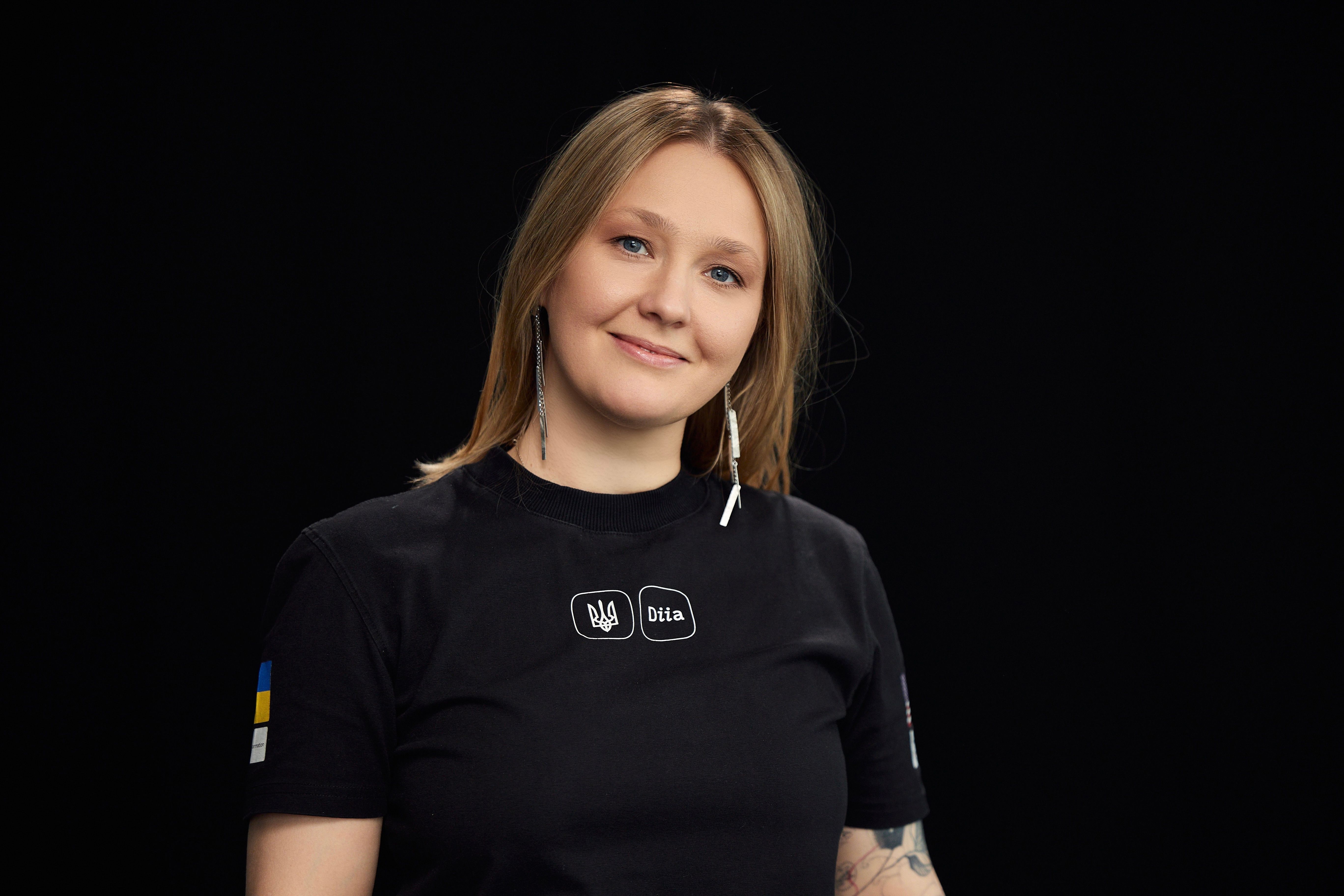
Valeriya Ionan, Advisor to Ukraine’s Digital Minister and First Deputy PM, shares that one of the country’s key focus areas for international collaboration is AI-powered solutions for decision making on the battlefield.
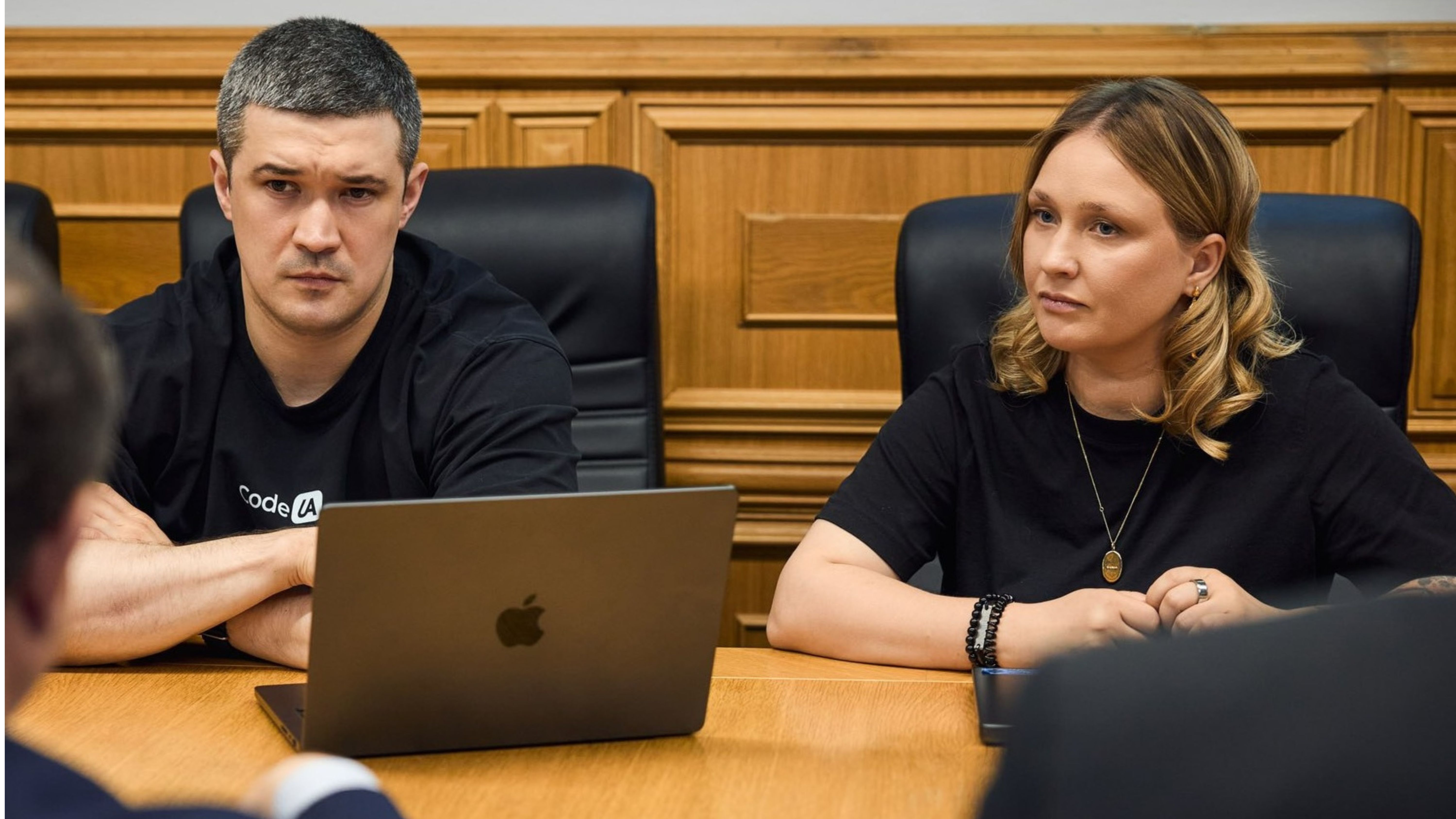
Ukraine's Vice Prime Minister and Minister of Digital Transformation Mykhailo Federov and Advisor to Ukraine’s Digital Minister and First Deputy Prime Minister Valeriya Ionan. Image: Ukraine's Ministry of Digital Transformation
"In the face of war, we could not afford the luxury of years-long planning cycles,” the Advisor to Ukraine’s Digital Minister and First Deputy Prime Minister, Valeriya Ionan, tells GovInsider.
Thanks to the digital groundwork laid before the 2022 invasion, the Ukrainian government has been able to quickly launch new services in just three weeks.
These services range from digitally proving the identities of internally displaced people without physical IDs, reporting enemy positions and collaborators to the Ukrainian Armed Forces, to maintaining continuous government services despite constant infrastructure attacks.
“This approach, driven by the need for quick, agile responses, has shaped how we engage in innovation partnerships today,” says Ionan.
Take innovating in the defence sector as an example. Defence tech innovation is traditionally a siloed endeavour, and national security concerns often make international cooperation a significant challenge.
However, Ukraine is changing this paradigm by partnering with the European Union (EU) to develop and test new technologies through the government’s defence tech incubator Brave1.
BraveTech EU, which is the €100 million (S$150 million) cross-border collaboration with each side contributing half of the funding, was formalised just last month.
Brave1’s mission is to make defence tech innovations more accessible to Ukrainian defenders, she says.
She highlights that the state-run Brave1 initiative is the country’s largest venture investor in defence tech to date, distributing over 2.2 billion hryvnia (S$6.8 million) through 550 competitive grants.
Currently, one of its key focus areas is artificial intelligence (AI)-powered solutions that enable smarter, faster and more accurate decision-making on the battlefield.
Ionan shares the key takeaways from the government’s experience in its ambition to become the “Silicon Valley of defence tech” at a time of crisis.
To subscribe to the GovInsider bulletin, click here.
Embrace a necessity-driven mindset to accelerate innovation
With necessity as the mother of invention, Ionan acknowledges that the extreme pressure of the active conflict and need to survive were the forces driving both the speed and quality of Ukraine’s innovations.
As a result, “solutions tested under these conditions are battle-tested and ready to scale globally.”
She also notes how speed, flexibility and collaboration are not just crucial for crisis situations, but also for the ongoing governance challenges in a rapidly changing world.
Governments are under constant pressure to manage broader challenges in the global landscape like climate emergencies, energy security, and the refugee crisis, she explains.
Citing the Covid-19 pandemic as an example, Ionan reflects how countries who have rapidly implemented digital services were far more effective in managing the crisis than those relying on the traditional processes.
“This experience has shown us that experimentation is not reckless; it’s an imperative when confronted with extraordinary challenges.
“Not every initiative will succeed, but in a world that is constantly shifting, the greatest danger lies in doing nothing,” she explains.
Government’s role to build an open and collaborative ecosystem
With war and instability “breaking down traditional barriers between government, business, and citizens”, Ionan says that this openness has fostered rapid co-creation and partnership.
“The Ukrainian model of collaboration offers an open door for international partners to collaborate with local innovators and scale new technologies,” she adds.
Looking forward, the Ministry of Digital Transformation will focus on strengthening partnerships at every level – the government, private sector and academia – to deliver tangible public impact, she explains.
These steps include building trust with other governments and integrating global best practices, ensuring that the private sector delivers scalable real-world solutions, and creating synergies with academia around research to address future challenges.
“Strengthening global partnerships is about creating an ecosystem where all sectors work together towards shared objectives - using innovation to solve the most pressing issues of our time,” she shares.
At another Strategic Industries Ministry, Deputy Minister Artem Romaniukov shared the consensus that a necessity-driven mindset has led to a more collaborative culture for innovations.
He noted that times of crisis like the war have replaced competition with collaboration among defence tech startups, as reported by United24.
He added how in times of peace, these companies would have been rivals but today, they are partners who are exchanging ideas and proposing solutions together.
Consider the global impact and adopt a future-forward mindset
Ionan shares that Ukraine prioritises creating both dual-use technologies (with both civilian and defence applications) and future-forward systems that can be adopted worldwide.
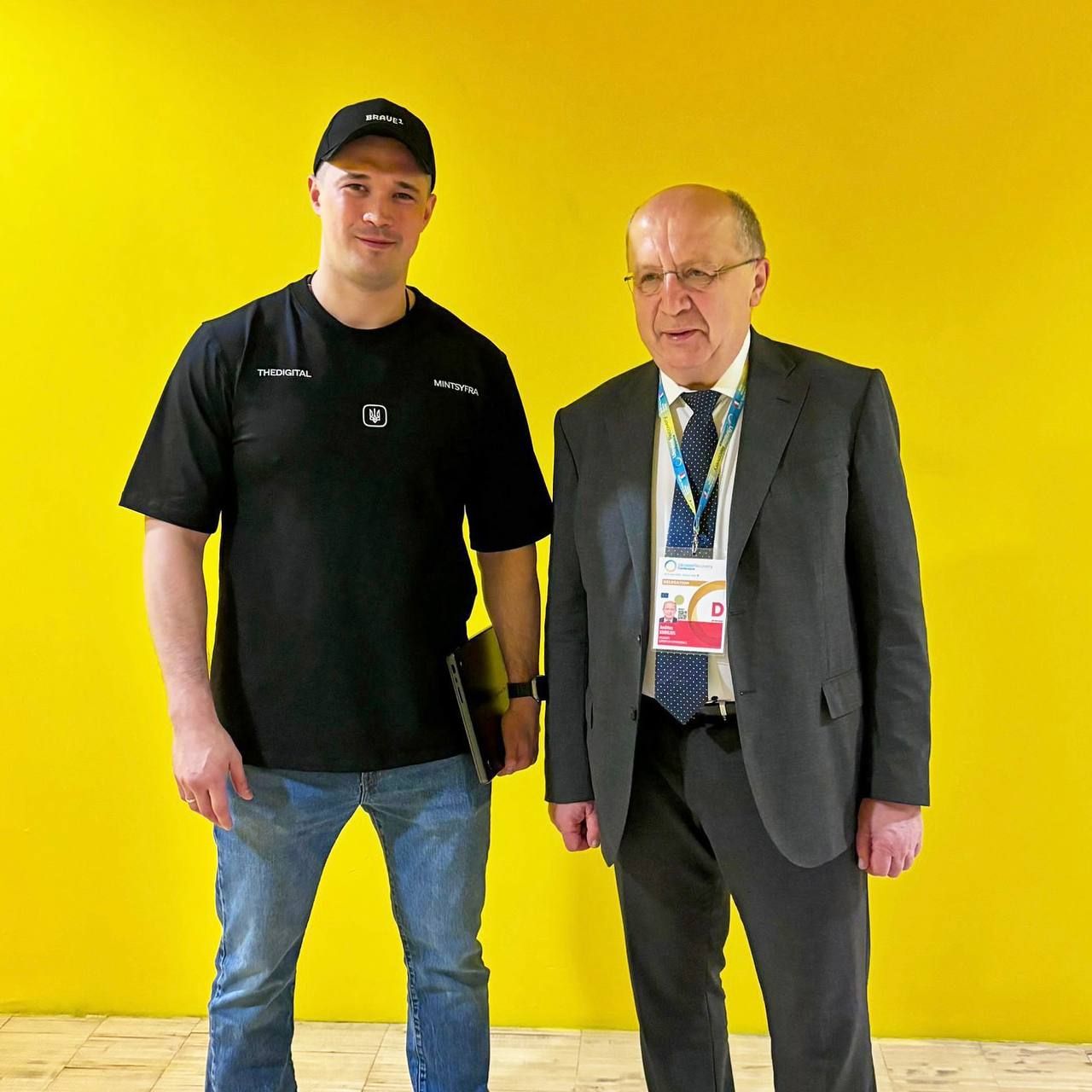
Be it developing defence tech, building resilient digital governments or food security solutions, this approach transforms wartime innovations into lasting economic growth, she explains.
“Ukraine’s work in AI, autonomous systems, and precision agriculture has provided critical insights into future-proof solutions for global crises like climate change, food security, and economic displacement,” she shares.
GovInsider also previously reported similar priorities shared by both the Polish and Singapore’s defence tech agencies around dual-use technology.
To achieve this, Ukraine has adopted a dynamic regulatory environment and developing sector-specific innovation ecosystems to enable the quick deployment of emerging technologies.
This flexibility is also extended to foreign companies to allow them to bring their solutions to the market faster.
For example, Ukraine's global innovation strategy until 2030, WINWIN, is designed to grow priority sectors by creating specialised innovation platforms, simplifying regulations, consolidating the management of public institutions, and providing targeted support.
The country recently also launched its first open innovation programme that will match global startups with public agencies to solve govtech challenges.