
Slow and steady wins the race in public sector innovation
By Sol Gonzalez
Incremental improvements in how work is done can help to create significant organisational impact, shared public sector leaders at GovInsider’s Festival of Innovation 2026.
-1776389644310.jpg)
The session explored challenges in scaling innovations and strategies to ensure safe spaces for experimentation to turn ideas into real impact. Image: GovInsider.
Sometimes, bigger organisational transformation is the result of nurturing small-scale ideas.
This was the core message from the panel session From ideas to impact: Scaling micro-innovations across teams that took place at the GovInsider Festival of Innovation (FOI) 2026 on March 3.
The session explored challenges in scaling innovations and strategies to ensure safe spaces for experimentation to turn ideas into real impact.
The session was moderated by Civic Punks Podcast’s Host, Derek Alton, and included Singapore’s National Youth Council (NYC)’s Assistant Chief Executive, Ong Kah Kuang; Republic of Singapore Navy (RSN)’s Head of Digital Transformation Office, Vincent Aw; Malaysia’s National Academy of Arts, Culture and Heritage (ASWARA), Faculty of Animation and Multimedia, Dean, Noraisyah Rahman; and Malaysia’s Jabatan Digital Negara (JDN)’s Senior Assistant Director for Digital Consultation Division, Saifuddin bin Mohd.
These are four takeaways from the session.
Cumulative impact through small changes
The speakers highlighted that starting small helps build momentum and accumulate results to prove impact.
Sharing the example of Personal Accounting System for Ships (PASS), a tracking system for personnel movement on ships, RSN’s Aw noted that rapid delivery of solutions created organisational momentum for innovation.
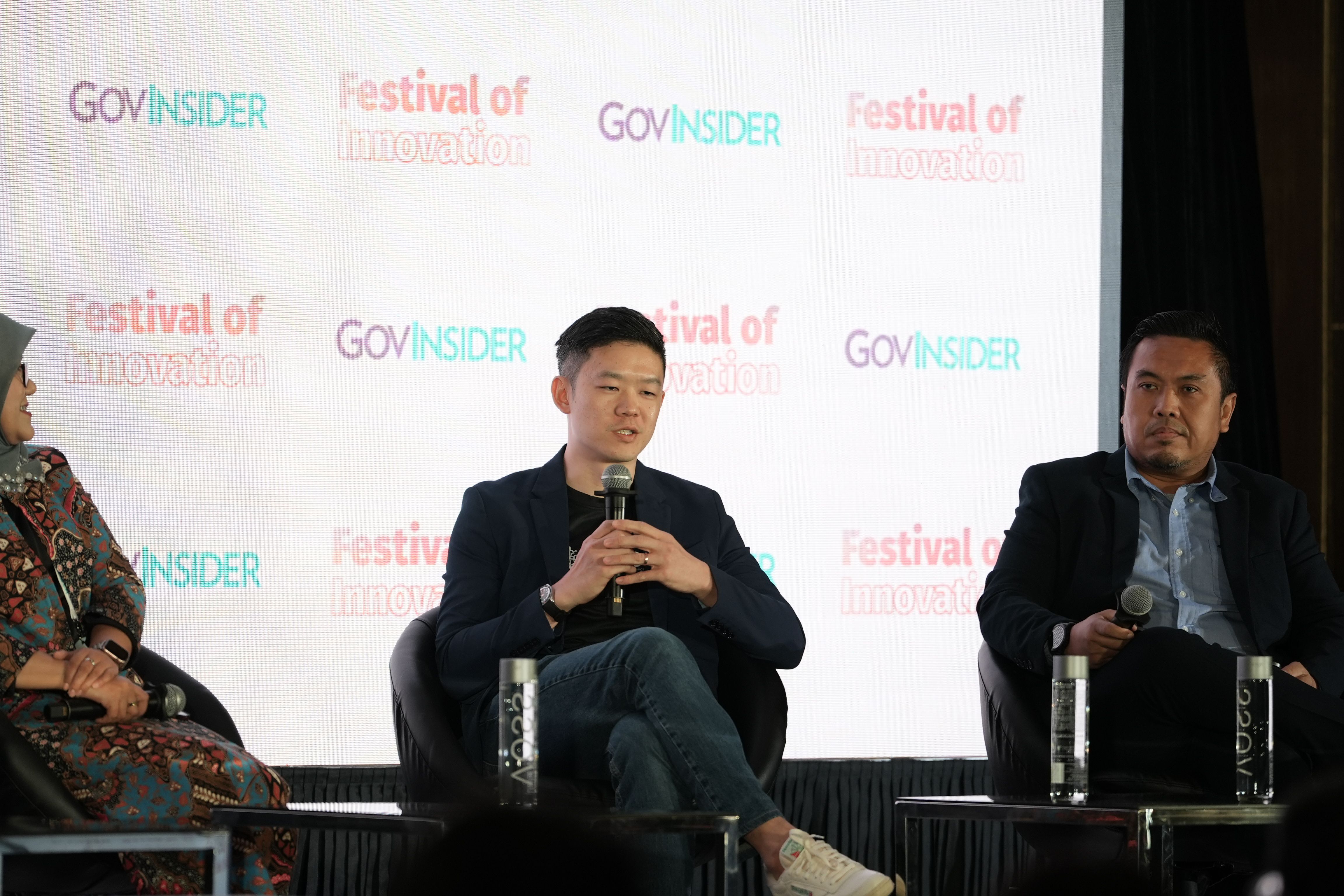
When faced with a problem, his team didn’t go through the traditional procurement route. Instead, they used a low-code platform to build a deployable minimum viable product in within two days, he said.
He highlighted this as a turning point for the Navy to embark on low-code innovations, as it demonstrated that innovations could happen in days rather than months.
NYC’s Ong added that small changes could create positive effects over time without requiring massive resources or disruptions.
He shared the example of simplifying survey data analysis, which was a common process when running programmes.
Over two days, NYC trained the staff to use Power Query to clean survey data and create dashboards for analysis.
A small change like this helped to save time on this process and the positive results encouraged more usage across teams, explained Ong.
“It's about how we review the way we work so we make minor improvement along the way to improve the process, be more efficient and effective,” he said.
Creating safe spaces for intelligent failure
Organisations must distinguish between failing due to negligence, or as a result of innovation, noted Ong.
“Failure is something that we need to be prepared to tolerate. If it’s due to innovation, that's something that we should be willing to accept. We want to fail fast, cut the loss fast, and move on and learn from it,” he said.
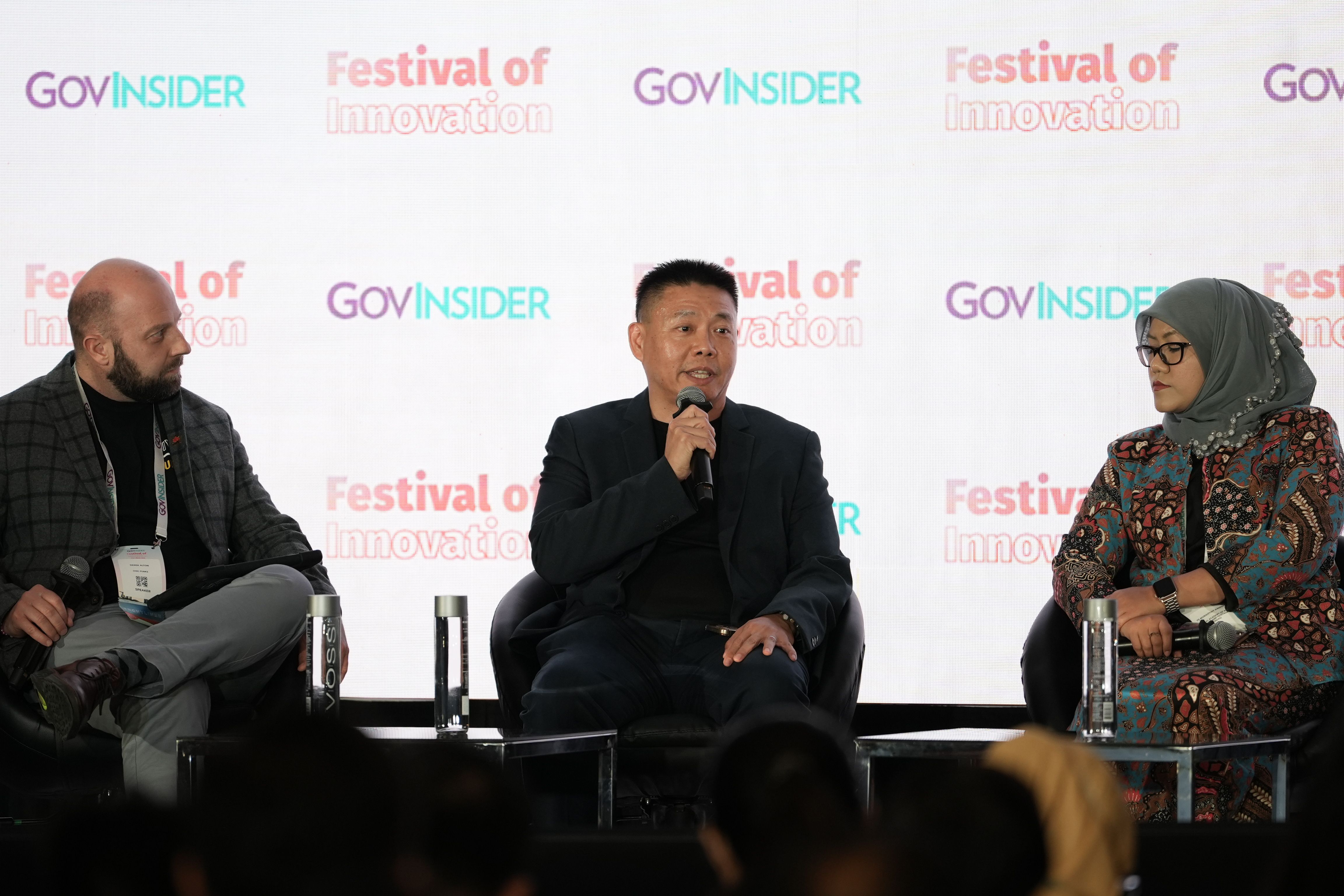
This mindset was important to nurture psychologically safe space to experience failure, paired with discipline to learn and improve the next iteration.
This also applied to more sensitive organisations such as the Navy, noted Aw, adding that while the operating environment prioritised regulation and security as non-negotiables, agility was not an opposing force.
“With the right structure, security and agility can work hand in hand to create a safe environment for innovation to happen,” said Aw.
Empathy was an important human element to reassure staff that innovation is welcomed, said ASWARA’s Rahman.
As her faculty led the implementation of education projects for the Malaysian Ministry of Tourism, Arts and Culture, the team maintained a continuous cycle of ideas and micro-innovations.
She highlighted the importance of recognising team members’ contributions to create a sense of belonging necessary to sustain innovation efforts, be it in digitisation, traditional art, or new courses.
She also introduced the term “cultural futurist”, which is used by her team to describe the mindset that combines the technologist’s forward-thinking approach with a deep respect for cultural heritage.
This helps create innovations that preserve traditional knowledge for future generations.
Acknowledging this unique intersection, Rahman encouraged her team to provide ideas regardless of seniority level, ensuring that everyone feels comfortable to collaborate and innovate.
Focus on the problem, tailor solutions
The speakers emphasised the need to be clear about the problem that needed to be solved as a critical element for successful innovation – even when it meant stopping the innovation altogether.
“When we realised that circumstances have changed, the problem ceases to exist, or the solution really doesn't solve the problem, that's where we say we have to kill the innovation,” said Aw.
He explained that teams must be disciplined enough to pivot or stop, rather than pushing technology for its own sake.
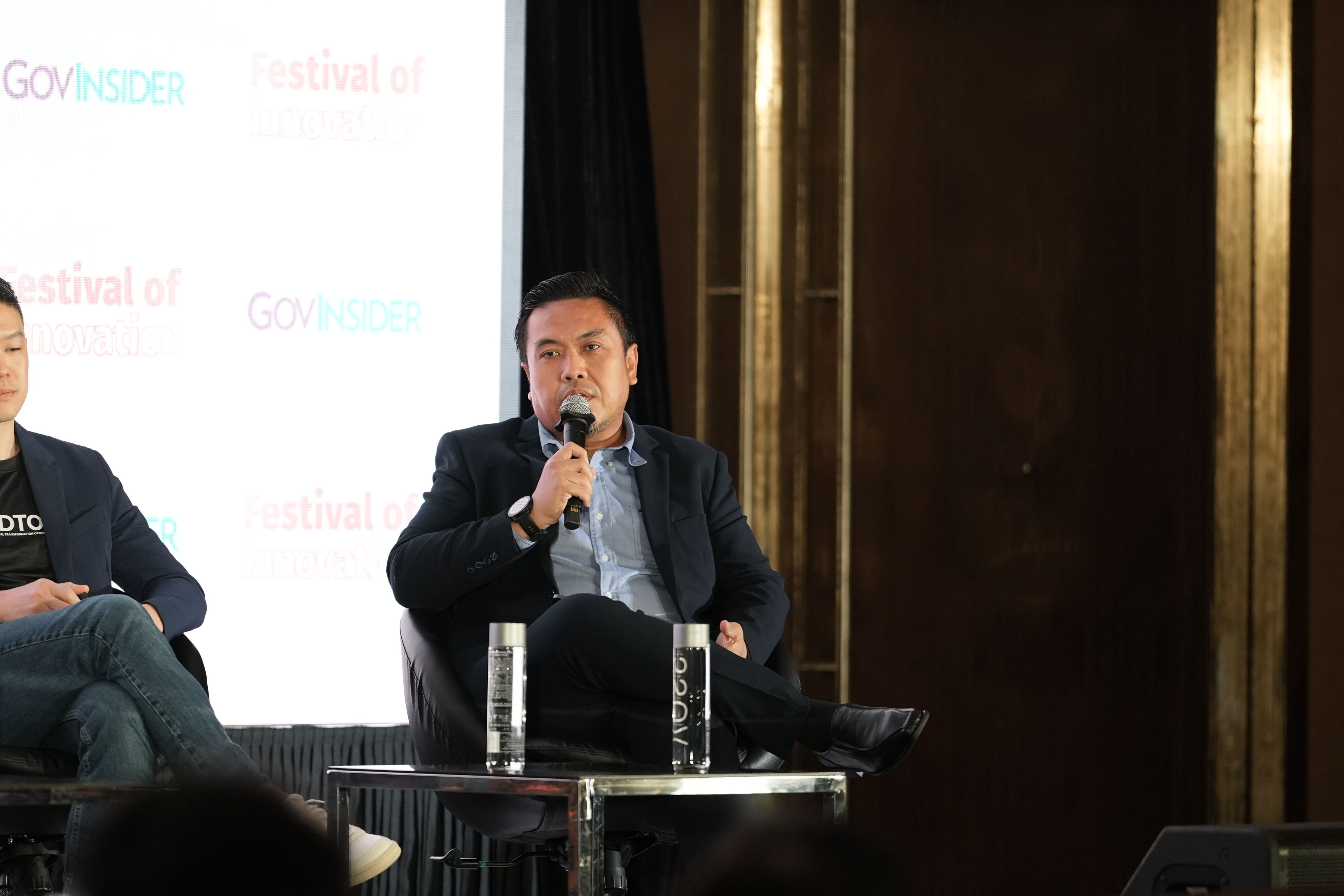
“If we were to scale all innovations, it kind of suggests forced adoption. When we have to force adoption, it may just signal that the value or the problem is not universal,” Aw added.
Rahman illustrated this with a digital heritage project, which planned to digitise all of Malaysia’s national heritage assets via 3D modelling and motion capture.
However, the team returned to their primary goal, which was to ensure that future generations could easily access cultural knowledge.
This led them to prioritise metadata accuracy over sheer volume, choosing to scale down to ensure that they got the foundations right.
JDN’s Saifuddin added that focusing on the problem could also motivate staff to experiment with potential solutions for their work.
JDN developed the Artificial Intelligence (AI) Services for agencies platform to test and safely develop solutions in a sandbox environment, and then receive funding to implement these solutions once they are ready, shared Saifuddin.
Participation and collaboration matters
Offering multiple levels of engagement based on participants’ skills and availability might enhance the effectiveness of innovation programmes, noted Ong.
He said that by lowering barriers for newcomers while providing advanced pathways for experienced participants, organisations could maximise participation and impact.
He shared that the NYC’s Young ChangeMakers Grant empowered young people to pitch ideas that benefit the community to a panel of volunteers, serving as an opportunity for youths to take action to tackle problems in Singapore’s society.
Upskilling programmes could also empower those less experienced with experimenting , as a way of not leaving anyone behind, noted Ong.
Rahman echoed the sentiment, adding that lifelong learning was an essential element to build an innovation culture and for everyone – from leaders to ground officers – to be on the same page.
Aw added that empowering an innovation culture doesn’t mean that everyone “must” build, but that everyone was welcome to co-create or support wherever they saw fit.
“And when resistance arises, we can bring in stakeholders earlier, have a conversation, show the operational benefits, and when they see the value [of innovations], the resistance reduces,” noted Aw.
You may access the recorded session here.